


Central Air Conditioners
Showing all 4 results
-
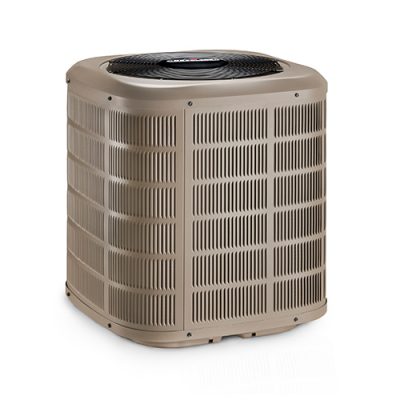
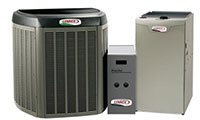
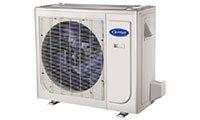
Napoleon 13 SEER Central Air Conditioners
-
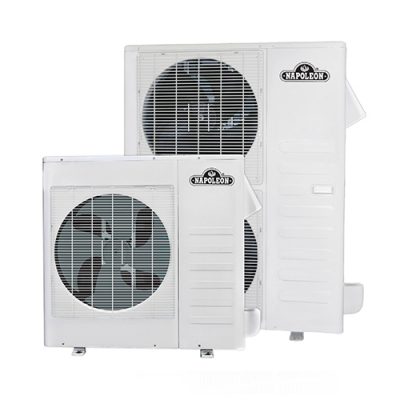
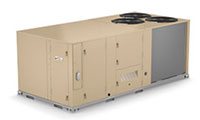
Napoleon 13 SEER SIDE DISCHARGE Air Conditioners
-
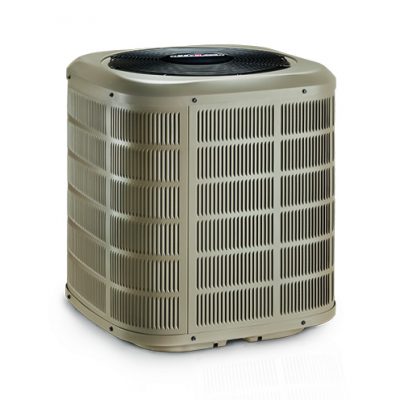
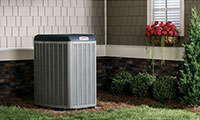
Napoleon 14 SEER Central Air Conditioners
-
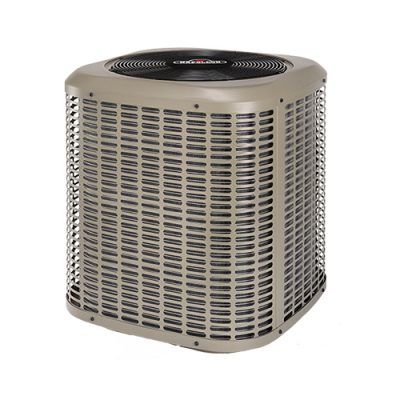
Napoleon 16 SEER Central Air Conditioners
Central Air Conditioners for Toronto and the GTA
Central air conditioners are ducted cooling systems that use one outdoor condenser, an indoor evaporator coil, and the home’s forced-air distribution system to cool multiple rooms from a central thermostat. They are best suited to homes with usable ductwork and provide a less visible whole-home solution than separate wall-mounted units.
When Central Air Conditioning Is the Right Choice
The value of central cooling depends on the home’s ductwork, room layout, existing furnace, and comfort expectations. A central system is often the strongest choice when consistent whole-home cooling matters more than independent room-by-room control.
Existing Central Ductwork
Homes with properly sized supply and return ducts can often add or replace central cooling without installing visible indoor units. Damaged, restricted, or poorly designed ducts can reduce airflow and create uneven temperatures.
Whole-Home Cooling
A central system can condition several rooms through one coordinated installation. It is less suitable when only one addition, upper-floor bedroom, or isolated area requires cooling.
Existing Furnace Compatibility
The air conditioner must work with the furnace blower, evaporator coil, thermostat, and electrical system. Keeping incompatible indoor equipment can limit capacity and seasonal efficiency.
Central Air Conditioner Performance Options
Central systems are available with single-stage, two-stage, and variable-capacity compressors. The correct level depends on whether the priority is lower upfront cost, more consistent indoor conditions, quieter operation, or improved humidity control.
Central Air Conditioner Sizing
Cooling capacity should be selected through a residential load calculation rather than estimated from square footage alone. Window area, insulation, air leakage, ceiling height, orientation, occupancy, and Toronto’s summer design conditions all affect the required system size.
Replacing an old unit with the same tonnage can repeat a previous sizing error. Renovations, upgraded windows, added insulation, finished basements, and home additions may also change the current cooling load.
Why an Oversized Central Air Conditioner Can Perform Poorly
A larger unit may appear safer for extreme heat, but excess capacity can reduce comfort during much of the cooling season. The following consequence is particularly important in Toronto and the GTA, where warm weather can also bring significant indoor humidity.
Fast Cooling Without Enough Moisture Removal
An oversized air conditioner may lower the thermostat temperature quickly and shut off before completing a long enough cycle to remove moisture and distribute conditioned air evenly. The result can be clammy rooms, temperature swings, repeated starts, higher sound levels, and premature component wear.
Efficiency and Operating Cost
A higher seasonal efficiency rating can reduce electricity use, but equipment ratings should be compared using complete matched-system data. The outdoor unit, evaporator coil, furnace blower, capacity, and approved equipment combination all influence the final performance rating.
The value of higher efficiency depends on annual runtime, electricity rates, thermostat settings, building-envelope performance, and planned ownership period. Correct sizing and installation can have a greater real-world effect than choosing a high-efficiency condenser that is poorly matched or commissioned.
Central Air Conditioner Installation Requirements
Installation involves more than placing an outdoor unit beside the house. The project should include equipment matching, refrigerant-line assessment, electrical review, condensate drainage, airflow testing, refrigerant charging, thermostat configuration, and final commissioning.
Outdoor placement must provide adequate clearance for airflow and service access. Installing the condenser beside a bedroom window, enclosed walkway, reflective wall, or frequently used patio can make normal operating sound more noticeable.
Evaporator Coil and Furnace Blower Compatibility
The indoor evaporator coil absorbs heat from the air, while the furnace or air-handler blower moves conditioned air through the ducts. These components must be compatible with the outdoor condenser to deliver the expected cooling capacity and efficiency.
Retaining an older coil may lower the immediate replacement price, but it can introduce capacity, refrigerant, drainage, and airflow limitations. Replacing compatible indoor components can produce more predictable performance and reduce the risk of installing new equipment around an unsuitable coil.
Ductwork and Airflow Assessment
Central cooling performance is limited by the duct system’s ability to move and return air. Undersized returns, restrictive filters, closed registers, disconnected ducts, excessive leakage, and high static pressure can reduce cooling output and place additional strain on the blower.
Hot upper floors or distant bedrooms do not always require a larger air conditioner. Air balancing, duct sealing, return-air improvements, insulation upgrades, or targeted zoning may address the underlying problem more effectively than increasing equipment capacity.
Central Air Conditioning vs Ductless Cooling
Central systems use ducts and concealed registers to distribute conditioned air throughout the home. Ductless equipment delivers air directly from individual indoor units and can provide independent control for separate rooms or zones.
Central Air Conditioner vs Heat Pump
A central air conditioner provides cooling only and operates alongside a separate heating system. A central heat pump uses similar ducted equipment but can reverse operation to provide both cooling and electric heating.
Central air conditioning may be the more direct replacement when the furnace remains suitable and the project is focused on summer cooling. A heat pump should be evaluated when year-round electric operation, reduced gas use, or a dual-fuel configuration is part of the homeowner’s long-term plan.
Central Air Conditioner Replacement
Replacement becomes worth considering when an older system requires repeated repairs, struggles during hot weather, produces unusual sound, cycles excessively, or no longer controls indoor temperature and humidity effectively.
A repair may remain practical when the unit is relatively recent and the problem is isolated. Replacement becomes more compelling when the compressor or coil requires major work, repair costs are accumulating, or the current outdoor and indoor equipment are poorly matched.
Central Air Conditioner Cost Factors
The installed cost depends on cooling capacity, compressor technology, efficiency level, evaporator coil selection, electrical requirements, refrigerant piping, condensate drainage, equipment access, old-system removal, and required duct modifications.
Equipment-only pricing does not provide a reliable project comparison. A complete proposal should identify the condenser, indoor coil, thermostat or control, electrical scope, refrigerant-line work, drainage requirements, commissioning procedures, and warranty coverage.
Selecting a Central Air Conditioner
The final system selection should connect equipment performance to the home’s actual cooling load and installation conditions. Use this checklist to avoid choosing solely by brand name, advertised efficiency, or equipment price.
Central Air Conditioner Selection Checklist
- Complete a cooling-load calculation before selecting system capacity.
- Choose single-stage, two-stage, or variable-capacity operation according to comfort expectations.
- Confirm the approved condenser and evaporator coil combination.
- Verify that the furnace blower can deliver the required airflow.
- Inspect supply ducts, return-air capacity, filtration, and static pressure.
- Review condenser placement, sound exposure, clearances, and service access.
- Compare the complete installation scope rather than the outdoor unit price alone.
- Evaluate whether a cooling-only system or central heat pump better supports future plans.
Local Suitability for Toronto and GTA Homes
Central air conditioning is well suited to detached homes, semi-detached properties, townhouses, and other buildings with functional forced-air ductwork. It can provide consistent cooling during Toronto and GTA heat when the system is sized correctly and airflow reaches every intended room.
Older Toronto homes may require additional attention to return-air pathways, narrow duct systems, electrical capacity, outdoor clearances, and upper-floor comfort. Evaluating these conditions before installation helps prevent noise, short cycling, and room-to-room temperature differences.
Plan Your Central Air Conditioner Installation
A central air conditioner can provide efficient, discreet whole-home cooling when the condenser, indoor coil, blower, ductwork, and controls are designed as one complete system. Accurate sizing and proper commissioning are essential to reliable performance.
FREE In-Home Estimate