
Comfort Series
Showing 10–10 of 10 results
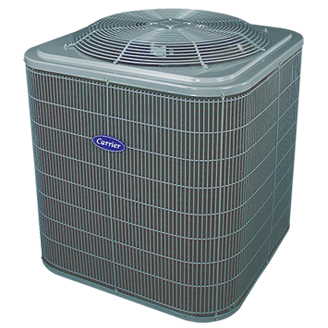
Comfort Air Conditioners for Toronto and the GTA
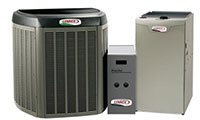
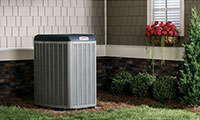
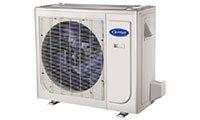
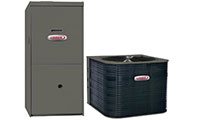
Comfort air conditioners are value-focused central cooling systems designed for dependable whole-home operation, straightforward controls, and a lower initial equipment cost. This category primarily uses single-stage cooling and is best suited to homeowners who prioritize reliable summer comfort over advanced staging, premium sound control, or variable-capacity operation.
When a Comfort Air Conditioner Is the Right Choice
The strongest fit depends on the household’s budget, comfort expectations, existing ductwork, and expected cooling usage. These factors help determine whether a Comfort system provides sufficient performance or whether moving to a higher series would deliver meaningful benefits.
Lower Initial Investment
Comfort models are designed for homeowners seeking central air conditioning without paying for two-stage or variable-capacity technology. The trade-off is less precise temperature and humidity control during moderate weather.
Straightforward Cooling Needs
Single-stage operation is well suited to homes that need reliable cooling during hot weather and do not require advanced zoning or extended low-output cycles. Homes with difficult comfort problems may need more adaptable equipment.
Existing Forced-Air System
The category works with compatible furnaces, indoor coils, and central ductwork. Poor airflow or undersized returns can prevent even correctly sized equipment from cooling rooms evenly.
Comfort Air Conditioner Performance
Comfort air conditioners generally provide single-stage operation, meaning the compressor runs at full cooling capacity whenever the thermostat calls for cooling. This design is simple and dependable, but its performance differs from systems that can reduce capacity as indoor conditions change.
Efficiency and Seasonal Energy Use
Current Comfort models can provide moderate to enhanced seasonal efficiency, with qualifying matched systems reaching approximately 16 to 16.5 SEER2. The final rating depends on the outdoor unit, indoor coil, blower configuration, capacity, and approved equipment combination.
A higher efficiency rating can reduce cooling electricity use, but the financial benefit depends on annual runtime, local electricity costs, thermostat settings, insulation, air leakage, and how long the system will remain in service. Paying for the highest available rating may offer limited return in a home with low cooling demand or major building-envelope problems.
Single-Stage Cooling and Indoor Comfort
A single-stage air conditioner runs at full capacity until the thermostat reaches its set temperature. This can cool a properly sized home effectively, although indoor temperatures may fluctuate more between cycles than with staged equipment.
During mild but humid weather, a single-stage system may run for shorter periods than a two-stage or variable-capacity unit. Shorter cycles can provide less moisture removal, making equipment sizing and airflow setup particularly important in Toronto and GTA homes.
Correct Air Conditioner Sizing
System capacity should be selected through a cooling-load calculation rather than replacing the existing unit with the same tonnage automatically. Renovations, window upgrades, insulation changes, additions, and previous sizing errors can alter the capacity the home actually requires.
Why Oversizing Creates Comfort Problems
An oversized Comfort air conditioner may cool the thermostat area quickly and shut down before removing enough humidity or distributing conditioned air throughout the home. This can cause frequent cycling, clammy rooms, uneven temperatures, unnecessary sound, and accelerated equipment wear.
Indoor Coil, Furnace, and Blower Compatibility
The outdoor air conditioner must be paired with a compatible evaporator coil and a furnace or air-handler blower capable of delivering the required airflow. A mismatched indoor system can reduce efficiency, limit capacity, and prevent the installation from achieving its intended performance.
Keeping an older coil may reduce the immediate replacement cost, but it can introduce refrigerant compatibility, capacity, drainage, and efficiency concerns. A matched replacement generally provides more predictable performance than connecting new outdoor equipment to an unsuitable indoor component.
Ductwork and Room-to-Room Airflow
A Comfort air conditioner can only deliver cooling through the airflow available in the duct system. Restricted returns, undersized ducts, dirty filters, closed registers, and excessive static pressure can reduce capacity and increase operating strain.
Persistent hot bedrooms or large temperature differences between floors do not always indicate that a larger air conditioner is needed. Duct balancing, additional return air, air sealing, or targeted distribution improvements may solve the problem more effectively than increasing equipment capacity.
Sound and Outdoor Unit Placement
Comfort systems provide standard sound performance, with current models operating at approximately 71 to 72 decibels under rated conditions. Higher series may operate more quietly, particularly when running at reduced capacity.
Placement can be as important as the published sound rating. Installing the condenser near a bedroom window, enclosed side yard, patio, or reflective masonry wall can make operating sound more noticeable. Proper clearances and vibration control also affect long-term performance.
Comfort Air Conditioner Installation
Professional installation should include load calculation, equipment matching, refrigerant-line assessment, electrical review, condensate-drain inspection, airflow measurement, refrigerant charging, thermostat setup, and final commissioning.
A lower-cost unit does not justify a reduced installation standard. Incorrect airflow, poor drainage, improper refrigerant charge, or inadequate outdoor clearance can increase energy use, shorten component life, and cause comfort problems that are incorrectly blamed on the equipment.
Comfort Air Conditioner Replacement
Replacement may be practical when an existing air conditioner requires frequent repairs, struggles during hot weather, uses an obsolete refrigerant, produces excessive noise, or has reached an age where another major repair offers poor long-term value.
A minor repair may still be preferable when the existing system is relatively recent and otherwise performs well. Replacement becomes more compelling when repair costs are rising, efficiency has declined, comfort remains inconsistent, or the indoor and outdoor components are no longer properly matched.
Comfort Air Conditioner Cost Factors
The installed cost depends on cooling capacity, indoor coil selection, furnace compatibility, refrigerant piping, electrical work, condensate drainage, equipment access, permits, removal of old equipment, and any required duct modifications.
Comparing equipment-only prices can be misleading because two proposals may include very different installation scopes. A complete quote should identify the outdoor unit, indoor coil, thermostat, electrical work, refrigerant-line requirements, drainage work, warranty coverage, and commissioning procedures.
Comfort Air Conditioner vs Heat Pump
A Comfort air conditioner provides summer cooling and works with a separate heating system. An air-source heat pump also provides cooling but can reverse operation to supply electric heating during cooler weather.
Central air conditioning may be the more direct choice when the existing furnace remains suitable and the project is focused on affordable cooling replacement. A heat pump deserves consideration when reducing gas consumption, adding electric heating, or creating a dual-fuel system is part of the long-term plan.
When to Consider a Higher Series
A higher series may provide better value when quieter operation, enhanced humidity control, reduced temperature fluctuation, advanced diagnostics, or staged cooling is important. These benefits are most noticeable in homes with long cooling seasons, sensitive sleeping areas, large open layouts, or significant comfort differences between rooms.
Upgrading solely for a modest efficiency increase may not justify the additional cost. The decision should consider comfort improvements, expected runtime, system compatibility, and ownership period rather than comparing efficiency ratings alone.
How to Select a Comfort Air Conditioner
The correct system must match the home’s cooling load, existing HVAC equipment, installation conditions, and budget. Use the following checklist before approving a replacement or new installation.
Comfort Air Conditioner Selection Checklist
- Complete a cooling-load calculation before selecting equipment capacity.
- Confirm that single-stage operation matches the household’s comfort expectations.
- Verify the approved outdoor unit and evaporator coil combination.
- Confirm that the furnace or air-handler blower can provide the required airflow.
- Inspect return-air capacity, duct condition, filtration, and static pressure.
- Review outdoor clearances, sound exposure, drainage, and service access.
- Compare the complete installed scope rather than equipment price alone.
- Evaluate whether an air conditioner or heat pump better supports future heating plans.
Suitability for Toronto and GTA Homes
Comfort air conditioners are suitable for many detached homes, semi-detached properties, townhouses, and other buildings with central ductwork. They provide a practical option for handling Toronto and GTA summer heat when reliable cooling and manageable installation cost are the main priorities.
Local suitability still depends on home construction, solar exposure, insulation, available electrical capacity, duct performance, and outdoor installation space. Evaluating these conditions before system selection helps prevent oversizing, airflow problems, and avoidable operating costs.
Plan Your Comfort Air Conditioner Installation
A properly selected Comfort air conditioner can provide dependable central cooling without the cost and complexity of premium equipment. Accurate sizing, compatible indoor components, adequate airflow, and complete commissioning are essential to achieving reliable performance.
FREE In-Home Estimate