


Merit Series
Showing all 5 results
-
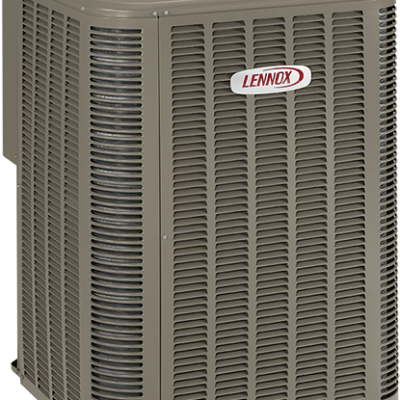
Lennox 13ACX Single-stage Air Conditioner
-
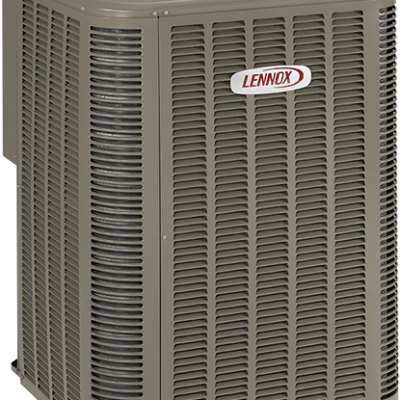
Lennox 14ACX Single-stage Air Conditioner
-
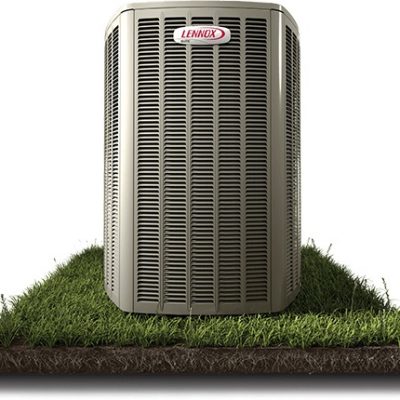
Lennox EL16XC1 Air Conditioner
-
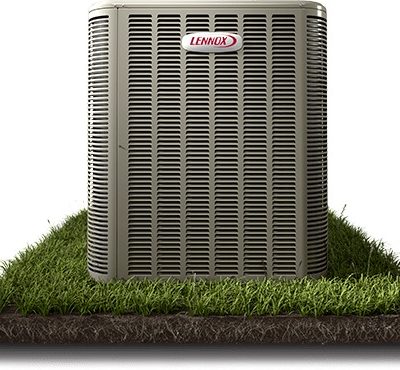
Lennox ML14XC1 Air Conditioner
-
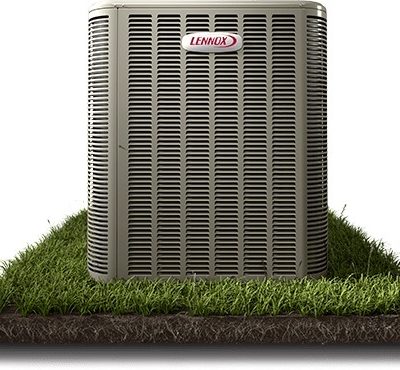
Lennox ML17XC1 Air Conditioner
Merit Series Air Conditioners for Toronto and GTA Homes
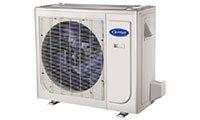
Merit Series air conditioners are value-focused central cooling systems designed for homeowners who want dependable summer comfort, straightforward operation, and practical installation costs. This category primarily uses single-stage cooling, making it suitable for replacement projects where reliable performance matters more than premium variable-capacity control.
When a Merit Series Air Conditioner Is the Right Choice
This category is best suited to homes with standard cooling needs, existing ductwork, and a preference for simple system operation. The main decision is whether affordable single-stage cooling will meet the household’s comfort expectations or whether humidity control, sound sensitivity, and temperature consistency justify a higher equipment tier.
Value-Focused Replacement
Merit Series equipment can be a practical replacement for an aging central air conditioner when dependable cooling and controlled upfront cost are priorities. The trade-off is fewer advanced capacity adjustments than premium systems.
Single-Stage Cooling
A single-stage air conditioner runs at full cooling output whenever the thermostat calls for cooling. This design is straightforward, but oversized equipment can create short cycles, uneven temperatures, and weaker humidity removal.
Central Ducted Comfort
The outdoor unit works with an indoor coil, furnace or air handler, thermostat, and duct system. Performance depends on matching these components correctly rather than selecting the outdoor unit alone.
Merit Series vs Other Air Conditioner Categories
Air conditioner tiers differ in cooling stages, efficiency, sound, humidity management, and control capability. Comparing the main categories helps determine whether Merit Series performance is sufficient or whether additional comfort features provide worthwhile value.
Single-Stage Cooling and Real-World Comfort
A single-stage air conditioner operates at full capacity until the thermostat reaches its set temperature. This can provide reliable cooling in Toronto and GTA homes when the system is correctly sized and the ductwork distributes air evenly.
The limitation is that full-output operation cannot closely follow changing cooling demand. During milder or humid weather, an oversized unit may cool the thermostat area quickly and shut off before removing enough indoor moisture.
Cooling Efficiency and Seasonal Operating Costs
Merit Series models provide efficiency levels intended to balance equipment cost with summer energy performance. The most suitable rating depends on expected operating hours, home construction, electricity costs, and how long the homeowner plans to keep the property.
Higher rated equipment does not automatically guarantee lower bills. Incorrect sizing, refrigerant charging, coil matching, dirty filters, duct leakage, and poor airflow can reduce actual efficiency after installation.
Air Conditioner Sizing for Toronto Homes
Cooling capacity should be selected through a load calculation that considers conditioned floor area, insulation, windows, air leakage, orientation, occupancy, and internal heat sources. Choosing capacity from square footage alone can overlook major differences between homes.
An undersized system may run continuously and struggle during peak heat. An oversized system may cool quickly but cycle too frequently, creating temperature swings and reducing humidity control.
The Oversized Air Conditioner Problem
An oversized Merit Series air conditioner can satisfy the thermostat before moisture is removed and before cool air reaches distant rooms. The result may be a cool but clammy home, frequent cycling, higher wear, and uneven comfort.
Indoor Coil and Furnace Compatibility
A central air conditioner must be matched with an appropriate indoor evaporator coil and compatible furnace or air handler. The combination determines certified efficiency, refrigerant performance, airflow requirements, and overall system capacity.
Keeping an older indoor coil may reduce installation cost, but it can also create compatibility, refrigerant, capacity, and efficiency problems. Coil condition and approved equipment matching should be confirmed before replacing only the outdoor unit.
Ductwork and Airflow Requirements
The indoor blower must move the correct volume of air through the coil and duct system. Undersized returns, restrictive filters, closed registers, damaged ducts, and poorly balanced branches can reduce cooling output and cause coil temperature problems.
If the existing system has weak airflow, loud vents, or rooms that remain warm, those issues should be investigated before replacement. A new outdoor unit cannot fully correct distribution problems caused by the ductwork.
Humidity Control in Toronto and the GTA
Toronto summers can combine high temperatures with elevated humidity, so moisture removal should be considered during system selection. Longer cooling cycles generally provide more dehumidification than short, aggressive cycles.
A correctly sized Merit Series air conditioner can manage typical residential humidity, but homes with persistent moisture problems may benefit from upgraded staging, improved airflow control, air sealing, or dedicated dehumidification.
Merit Series Air Conditioner Installation
Professional installation should include equipment sizing, approved system matching, refrigerant-line assessment, condensate drainage, electrical review, airflow setup, thermostat configuration, and final commissioning. Each of these steps can affect cooling capacity and long-term reliability.
Replacing an older unit may require changes to the indoor coil, refrigerant piping, disconnect, breaker, drain system, equipment pad, or sheet-metal transitions. Installation scope should be confirmed before comparing final prices.
Merit Series Air Conditioner Replacement
Replacement may be appropriate when the existing air conditioner needs frequent repairs, uses an outdated refrigerant, has a failing compressor, operates loudly, or no longer maintains comfortable temperatures. A newer matched system can improve reliability and seasonal efficiency.
Repair may remain reasonable when the system is relatively young and the failure is isolated. The decision should compare repair cost, equipment age, refrigerant availability, indoor coil condition, energy use, and the likelihood of additional failures.
Merit Series Air Conditioner Cost Factors
The installed cost depends on cooling capacity, selected model, indoor coil requirements, refrigerant-line condition, electrical work, condensate drainage, thermostat changes, duct modifications, installation access, and removal of existing equipment.
Quotes should be compared by total scope rather than outdoor-unit price alone. A lower proposal may exclude coil replacement, permits, drain upgrades, refrigerant-line work, airflow setup, disposal, or commissioning.
Merit Series Air Conditioner vs a Heat Pump
A Merit Series air conditioner provides cooling only, while a heat pump can provide both cooling and electric heating. An air conditioner may be the simpler choice when the home already has a suitable furnace and the project is focused only on summer comfort.
A heat pump may offer more value when the homeowner wants to reduce gas use or replace both heating and cooling functions. The comparison should include winter performance, backup heat, electrical capacity, equipment matching, and total installation scope.
How to Choose the Right Merit Series Air Conditioner
The final system selection should reflect the home’s cooling load, indoor equipment, duct conditions, humidity needs, installation requirements, and budget. Use this checklist before selecting capacity or approving a replacement proposal.
Merit Series Air Conditioner Selection Checklist
- Complete a cooling-load calculation instead of selecting capacity from square footage alone.
- Confirm that single-stage cooling matches the household’s comfort and humidity expectations.
- Verify compatibility between the outdoor unit, indoor coil, furnace or air handler, and thermostat.
- Review supply airflow, return-air capacity, static pressure, filtration, and room balance.
- Inspect refrigerant lines, condensate drainage, electrical service, and outdoor installation space.
- Compare efficiency, sound, warranty, total installation scope, and expected ownership period.
- Evaluate whether cooling-only equipment or a heat pump better supports long-term HVAC plans.
Local Suitability for Toronto and the GTA
Merit Series air conditioners can be well suited to Toronto and GTA homes that need dependable central cooling without premium variable-capacity features. They are practical for detached homes, townhomes, rental properties, and replacement projects with compatible ductwork and indoor equipment.
The category may be less suitable for homes with strong humidity concerns, strict sound requirements, advanced zoning, or a preference for highly precise temperature control. In those situations, comparing staged and variable-capacity alternatives can lead to a better long-term result.
Plan Your Merit Series Air Conditioner Installation
A Merit Series air conditioner can provide reliable summer cooling when its capacity, indoor coil, airflow, refrigerant circuit, controls, and ductwork are correctly matched. Before purchasing, review replacement needs, installation scope, humidity goals, equipment compatibility, and long-term HVAC plans with a qualified air conditioning installation team.
FREE In-Home Estimate