


Air Handlers
Showing 1–9 of 20 results
-
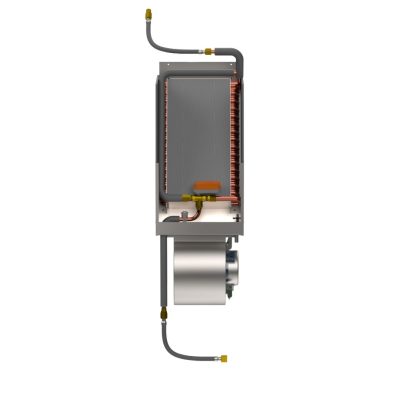
Aurum Vertical Fan Coil BTR Series
-
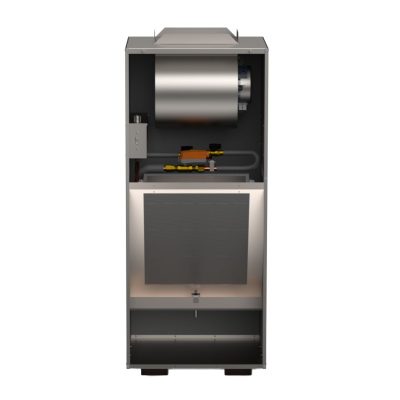
Aurum Vertical Fan Coil CFC Series
-
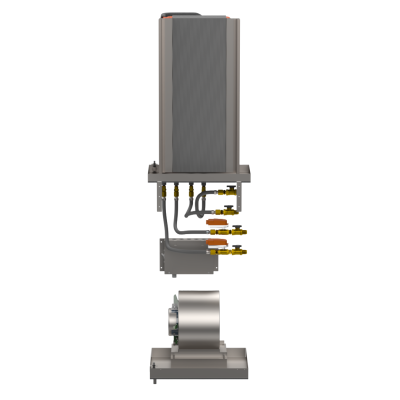
Aurum Vertical Fan Coil DDR Series
-
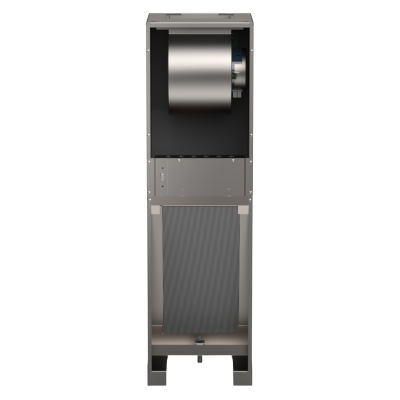
Aurum Vertical Fan Coil DTR Series
-
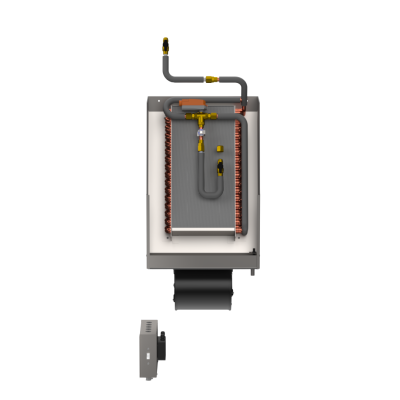
Aurum Vertical Fan Coil MHR Series
-
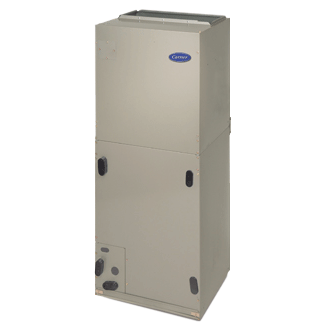
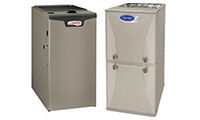
Carrier Comfort Fan Coil FB4C Air Handlers
-
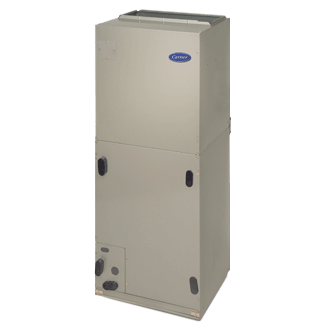
Carrier Comfort Fan Coil FX4D Air Handlers
-
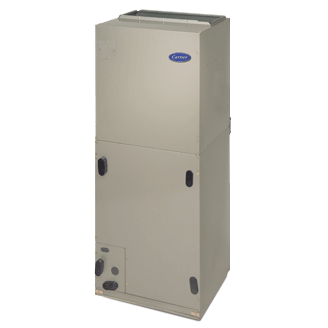
Carrier Infinity Fan Coil FE4A Air Handlers
-
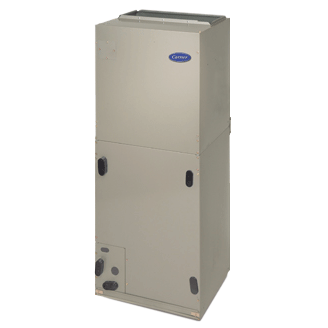
Carrier Performance Fan Coil FV4C Air Handlers
Air Handlers for Toronto & GTA Homes
Air handlers are indoor HVAC components that circulate heated and cooled air through a central duct system while working with compatible heat pumps or air conditioners. They contain the blower and indoor coil, making them a major part of system airflow, temperature consistency, humidity control and overall heating and cooling performance.
For Toronto and GTA homes, choosing an air handler should be part of the complete HVAC system selection. Capacity, blower type, refrigerant compatibility, ductwork, electrical requirements and winter backup heating can all affect which air handler is appropriate for installation or replacement.
How to Choose the Right Air Handler
The best air handler is not simply the largest unit or the option with the most features. The indoor equipment needs to match the home's heating and cooling requirements as well as the outdoor system and existing ductwork.
System Capacity
Air handler capacity should be selected around the home's heating and cooling load and the matched outdoor equipment. Replacing an existing unit with the same size can repeat an old sizing problem.
Blower Type
Multi-speed, constant-torque and variable-speed blowers provide different levels of airflow control. More advanced airflow becomes useful when comfort, humidity management and quieter operation are priorities.
Heat Pump Matching
The air handler and outdoor heat pump should be selected as a matched system. Correct pairing affects capacity, efficiency and the way both components operate together.
Ductwork Condition
A high-performance blower cannot fully correct undersized ducts, restrictive returns or poor distribution. Existing airflow problems should be identified before replacement.
Winter Heating
Toronto heat pump systems may require supplemental heating during colder conditions. Backup heat and electrical capacity should be evaluated before selecting the indoor unit.
Installation Space
Cabinet dimensions, airflow orientation, service clearance, drainage and duct connections can determine whether an air handler fits the existing mechanical space properly.
Multi-Speed, Constant-Torque and Variable-Speed Air Handlers
Blower technology is one of the most important differences between air handlers. The right choice depends on how much airflow control the complete HVAC system needs and whether the additional performance justifies the higher equipment cost.
Air Handlers With Heat Pumps
Air handlers are commonly used as the indoor component of central heat pump systems. The indoor coil transfers heat while the blower moves conditioned air through the home's ductwork during both heating and cooling operation.
The air handler and heat pump should be selected together because nominal capacity alone does not guarantee compatibility. Indoor coil design, airflow, refrigerant requirements and system controls can all affect performance.
Why Matching by Tonnage Alone Can Create Problems
A homeowner replaces an indoor unit with another air handler carrying the same nominal capacity but does not verify its compatibility with the outdoor heat pump. The equipment may fit physically, yet the coil and airflow requirements may not match the outdoor system. This can reduce heating, cooling and efficiency performance even though both units appear to be the same size.
Air Handler Sizing for Toronto Homes
Correct sizing is essential because an air handler needs to deliver enough airflow for the matched heating and cooling system without being oversized unnecessarily. Existing equipment size should be treated as a reference, not proof that the original system was selected correctly.
An oversized system can cycle differently than intended and may reduce summer moisture removal. An undersized system may struggle during peak heating or cooling conditions. Proper system selection should consider the home's actual heating and cooling loads.
Air Handlers for Toronto Winter Heating
Winter conditions make air handler selection particularly important when the home uses a central heat pump. The blower needs to maintain the appropriate airflow while heating demand increases as outdoor temperatures fall.
The air handler itself does not determine whether the system has enough winter heating capacity. Outdoor heat pump performance, building heat loss and supplemental heating all need to be evaluated together.
Supplemental Electric Heat
Some air handler installations include electric resistance heat for supplemental or emergency heating. This can support a heat pump during colder weather, but the required capacity should be calculated rather than automatically selecting the largest available heater.
Larger electric heaters place greater demand on the home's electrical service. In older Toronto properties, electrical capacity can become an important installation constraint when converting from a furnace to an all-electric heat pump and air handler system.
When Backup Heat Changes the Installation
A homeowner plans to replace a furnace with a heat pump and air handler but does not account for supplemental electric heating. The selected backup heat creates more electrical demand than the existing service can comfortably support. Reviewing the heating load and electrical capacity before equipment selection can prevent costly changes after installation begins.
Air Handlers and Summer Humidity Control
Airflow has a direct effect on cooling and moisture removal. When conditioned air moves across the indoor coil at an appropriate rate, the system has more opportunity to remove humidity while cooling the home.
Variable-speed equipment can provide greater control by operating at lower airflow during suitable conditions. This can be valuable during humid Toronto summers, particularly for homeowners who notice that their home reaches the thermostat setting but still feels damp or clammy.
Cooling-system sizing also matters. Oversized equipment can satisfy temperature demand quickly and shut off before enough moisture is removed.
Air Handler Replacement
Air handler replacement should involve more than finding a new cabinet with similar dimensions. Existing outdoor equipment, refrigerant type, blower requirements, electrical connections, controls and ductwork should all be evaluated before selecting the replacement.
If both indoor and outdoor equipment are aging, replacing the complete matched system may make more sense than adapting a new air handler to equipment that could require replacement soon afterward.
Refrigerant Compatibility
Refrigerant compatibility has become increasingly important when replacing older indoor equipment. Current air handlers may be designed for a different refrigerant platform than an existing heat pump or air conditioner.
A new indoor unit should not be paired with older outdoor equipment solely because the capacity ratings look similar. Coil design, metering components and refrigerant requirements need to be compatible with the complete system.
Air Handler Installation Positions
Air handlers can be installed in different orientations depending on the equipment design and available mechanical space. Common configurations include vertical and horizontal installations, with some systems also supporting other orientations.
Installation flexibility is useful in Toronto homes with basements, utility rooms, closets or tighter retrofit spaces, but airflow orientation should not be the only consideration. Service clearance, condensate drainage, refrigerant piping and duct transitions also need sufficient space.
Air Handlers for Small Mechanical Spaces
Compact equipment can help when replacing HVAC systems in homes where mechanical-room dimensions are limited. However, selecting the smallest cabinet is not always the best solution.
Poorly designed transitions between the air handler and existing ductwork can create additional airflow resistance. The installation should provide enough space for gradual duct transitions, filter access and future maintenance rather than simply fitting the equipment into the smallest available opening.
Ductwork and Static Pressure
The air handler must move air against the resistance created by the duct system. Filters, undersized returns, restrictive supply ducts and poorly designed transitions can all increase static pressure.
More advanced blower motors can respond better to changing resistance, but they cannot make a restrictive duct system unrestricted. Excessive static pressure can still reduce delivered airflow and place additional demand on the blower.
Measuring airflow and static pressure during replacement can reveal whether duct improvements should be completed at the same time.
Can a New Air Handler Fix Uneven Temperatures?
A new air handler can improve overall airflow when the existing blower is worn, inefficient or poorly configured. More advanced blower technology can also make airflow changes smoother throughout the heating and cooling cycle.
It cannot correct every room-to-room comfort problem. Undersized supply ducts, inadequate returns, duct leakage, insulation deficiencies and large solar gains can all cause uneven temperatures independent of the air handler.
If uneven comfort is one of the main reasons for replacement, the airflow distribution system should be assessed before choosing new equipment.
Air Handler vs Furnace
An air handler and a furnace can both circulate air through ductwork, but they serve different heating configurations. A furnace includes its own combustion-based heating section, while an air handler is commonly paired with a heat pump and may use supplemental electric or hydronic heat where required.
For homeowners considering a furnace-to-heat-pump conversion, this distinction matters because replacing the furnace with an air handler changes the heating source, electrical requirements and potentially the backup-heating strategy.
Air Handler vs Fan Coil
The terms air handler and fan coil are sometimes used interchangeably in residential HVAC discussions, but equipment configurations can differ. The important purchasing decision is not the label itself but how the indoor unit is designed to work with the outdoor equipment, duct system and heating strategy.
Homeowners should compare blower type, coil compatibility, heating options and controls rather than assuming equipment with similar terminology provides identical performance.
What Affects Air Handler Installation Cost?
Air handler installation cost depends on the equipment and the work required around it. Capacity, blower technology, refrigerant requirements, supplemental heat, electrical changes, thermostat upgrades, duct modifications and condensate drainage can all affect project scope.
A straightforward replacement using compatible existing infrastructure is very different from converting a furnace-based home to an all-electric heat pump and air handler system.
For this reason, comparing equipment prices alone can be misleading. A useful quote should clearly identify the indoor and outdoor equipment combination and any electrical, refrigerant or ductwork changes included in the installation.
Repair or Replace an Air Handler?
Repair can make sense when the equipment is otherwise in good condition and the problem is limited to a serviceable component. Replacement becomes more relevant when major components fail, refrigerant compatibility becomes difficult, repeated repairs are occurring or the outdoor HVAC equipment also needs replacement.
The indoor and outdoor systems should be evaluated together. Replacing an expensive component in an older air handler can be less attractive when the connected heat pump or air conditioner is also approaching the end of its useful service life.
What to Check Before Choosing an Air Handler
The best air handler selection begins with the complete HVAC system and the home itself. These checks help prevent compatibility problems, unnecessary upgrades and airflow issues after installation.
Air Handler Selection Checklist
- Calculate the home's heating and cooling loads before selecting equipment capacity.
- Confirm the exact outdoor heat pump or air conditioner being paired with the air handler.
- Verify refrigerant compatibility across the complete system.
- Choose the blower type according to comfort, humidity and system requirements.
- Inspect supply and return ductwork for restrictions or poor airflow.
- Check static pressure when airflow problems already exist.
- Determine whether supplemental heating is required for Toronto winter conditions.
- Confirm available electrical capacity before selecting electric backup heat.
- Verify thermostat and control compatibility.
- Confirm installation orientation, mechanical-room space and service clearance.
- Review condensate drainage and filter access before final equipment placement.
- Compare complete installed-system proposals rather than air handler prices alone.
Choosing Air Handlers in Toronto and the GTA
The right air handler should match the home's heating and cooling requirements, outdoor equipment and duct system rather than being chosen solely by capacity or price. Blower technology, refrigerant compatibility, winter heating requirements and installation conditions all affect how the system will perform after installation.
For Toronto and GTA homes, careful system matching becomes particularly important when using a heat pump for year-round heating and cooling. Evaluating the complete HVAC system before replacement helps ensure the air handler provides the airflow, comfort and performance the home actually requires.
FREE In-Home Estimate