

Vented Zone Heating Systems
Showing all 4 results
-

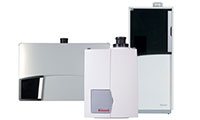
Empire Console Vented Room Heater RH25 Baseboard Heaters
-

Empire Console Vented Room Heater RH35 Baseboard Heaters
-

Empire Vented Counterflow Wall Furnace FAW40 Baseboard Heaters
-

Empire Vented Counterflow Wall Furnace FAW55 Baseboard Heaters
Vented Zone Heating Systems for Toronto & GTA Homes
Vented zone heating systems are localized gas heating systems designed to warm individual rooms or defined areas without requiring central ductwork. They use room air for combustion and vent combustion gases outdoors through an approved flue, making them suitable for spaces where dedicated heating is more practical than extending a whole-home system.
Within the broader baseboard and zone-heating category, these systems are especially useful for basements, additions, older homes and rooms with persistent cold spots. For Toronto and GTA properties, the right choice depends on heating capacity, room layout, fuel type, venting access and whether the heater will provide primary or supplemental heat.
When Vented Zone Heating Makes Sense
The strongest applications are spaces that need dependable independent heat but do not justify major ductwork changes. The installation conditions should be considered before selecting heating capacity or equipment style.
Rooms Without Ductwork
A vented zone heater can provide permanent heating where extending central supply and return ducts would require significant renovation.
Persistent Cold Zones
Independent heating can warm a basement, addition or living area without raising the thermostat for the rest of the home.
Existing Flue Access
A suitable existing flue can simplify some installations, while properties without one need a practical route for a new vent to the outdoors.
Primary Room Heating
A properly sized system can serve as the main heat source for an appropriate room or zone where whole-home central heating is unnecessary.
Supplemental Heating
Zone heating can support an existing HVAC system when one area needs substantially more heat than the rest of the building.
Oil or Wood Heating Replacement
A vented gas heater can be considered when replacing older localized oil, wood or coal heating where suitable venting and gas service are available.
Types of Vented Zone Heating Systems
Different configurations distribute heat differently, so the best choice depends on the room layout and how quickly or broadly heat needs to move through the space.
Gravity vs Counterflow Zone Heating
Gravity systems rely on natural convection, while counterflow configurations actively move warm air toward the lower part of the room. The difference affects both comfort and system complexity.
Gravity heating can be attractive when quiet operation and simpler equipment are priorities. Counterflow heating is often more appropriate where stronger circulation is needed or where maintaining warmth near floor level is especially important during Toronto winters.
How Vented Zone Heating Works
These systems use room air to support combustion and send combustion gases outdoors through a vent or flue. Unlike central furnaces, they deliver heat directly into the room or nearby zone rather than moving it through a whole-home duct network.
This makes them efficient from a distribution standpoint when only a limited area needs heat. The trade-off is that combustion-air conditions and venting become important parts of system selection.
Vented Zone Heating vs Direct Vent Heating
The primary difference is where combustion air comes from. Conventional vented zone systems generally use indoor room air, while direct vent heating uses a sealed arrangement that brings combustion air from outdoors.
Choosing the Right Heating Capacity
Heating capacity should be selected from the actual heat loss of the room or zone rather than square footage alone. Window area, insulation, exterior exposure, ceiling height and air leakage all change the amount of heat required.
For Toronto and GTA homes, winter design conditions make this particularly important. Undersizing can leave the space uncomfortable during colder weather, while oversizing can lead to short heating cycles and larger temperature swings.
Why Oversizing Can Reduce Comfort
Choosing extra heating capacity may seem safer, but significantly oversized equipment can create uneven operation. Proper sizing usually provides better comfort than simply selecting the highest available output.
A Heater That Is Too Large for the Room
A high-output zone heater quickly raises the room temperature and shuts off before heat has distributed evenly. The room then cools and the heater restarts, creating noticeable temperature swings. Matching output to the actual heat loss can provide steadier operation.
Can One System Heat More Than One Room?
Some vented zone heating configurations can provide heat to an adjoining area, but room layout determines whether that approach will work effectively. Open connections between rooms support heat movement much better than closed doors and separated hallways.
Installing a larger heater does not automatically solve poor heat distribution. The main room can become too warm while the adjoining space remains cooler.
Natural Gas vs Propane
Vented zone heating can be configured for natural gas or propane depending on the equipment and property. The correct fuel should be established before the system is selected because burner setup and installation requirements differ.
Natural gas is often the practical choice for Toronto and GTA homes with existing gas service. Propane can provide an alternative for properties without access to a natural gas connection.
Venting Requirements
Venting is one of the most important installation considerations. These systems need a suitable path to exhaust combustion gases outdoors, typically through an approved vent or chimney configuration.
The vent route can determine whether a particular location is practical. Vertical distance, offsets, clearances, existing chimney condition and termination requirements all need to be considered before installation.
Can an Existing Chimney or Flue Be Reused?
An existing vent may simplify a replacement project, but it should not automatically be reused. Its size, material, condition and configuration need to be suitable for the new heating system.
An older appliance may have operated with different venting requirements. If the existing flue is inappropriate, adapting the new system to it can create draft and combustion problems.
When an Existing Flue Is Not Automatically an Advantage
An older room heater is removed and the homeowner expects the replacement to connect to the same vent. Inspection shows that the existing flue does not meet the requirements of the new heating system. Checking vent compatibility before purchasing equipment prevents unexpected installation changes.
Combustion Air and Home Tightness
Because conventional vented zone heating uses indoor air for combustion, the installation environment needs adequate combustion air. This deserves additional attention in homes that have undergone substantial air sealing or efficiency upgrades.
Exhaust fans and other appliances can also affect indoor pressure. If combustion-air conditions are unsuitable, a sealed direct vent system may be a better heating choice.
Vented Zone Heating for Toronto Basements
Basements can be good candidates for independent zone heating when the existing central HVAC system does not deliver enough heat to the lower level. A dedicated heater allows the basement temperature to be controlled without overheating the rest of the home.
The limiting factor is often venting rather than heating capacity. A practical vent route and suitable combustion-air conditions should be confirmed before selecting equipment.
Heating Additions and Converted Rooms
Additions, enclosed porches, converted garages and renovated spaces may create heating loads that the original furnace and duct system were never designed to serve.
Adding another duct can reduce airflow elsewhere without delivering enough heat to the new space. Independent zone heating can avoid disturbing the balance of the original central system.
Vented Zone Heating vs Electric Baseboard Heating
Both approaches provide localized heat without central ductwork, but they use different energy sources and require different infrastructure.
Electric baseboard heaters require suitable electrical capacity but no combustion venting. Vented gas heating requires a gas supply and flue but can provide substantial room-heating capacity without relying on electric resistance heat.
The better choice depends on existing utilities, installation complexity, heating demand and expected winter use.
Vented Zone Heating vs Ductless Heat Pumps
A ductless heat pump can provide both heating and cooling, while vented zone heating is focused on space heating. This makes cooling requirements an important decision factor.
If a room also needs summer air conditioning, a ductless system may offer greater year-round functionality. If dedicated winter heat is the main objective and gas infrastructure is already available, vented zone heating may be the more appropriate solution.
Vented Zone Heating vs Central Furnace Heating
A central furnace is intended to heat an entire home through ductwork, while zone heating provides heat where it is installed. The distinction matters when deciding whether to modify an existing HVAC system or add independent heating.
If only one room or area has a comfort problem, modifying the entire central system may be unnecessary. If several rooms throughout the home are consistently cold, the underlying issue may instead involve furnace capacity, ductwork or building insulation.
Primary vs Supplemental Heating
Vented zone heaters can be used as the main heating source for appropriate spaces or as supplemental equipment alongside another HVAC system. The intended role should be decided before sizing.
A system providing primary heat needs enough capacity for the full winter load. Supplemental equipment may only need to address the difference between what the central system already supplies and what the room requires.
Heating During a Power Outage
Electrical requirements vary with the heating configuration. Some gravity-based systems can provide heat with limited electrical dependence, while fan-assisted systems and electronic controls may require power.
If outage heating is an important buying consideration, electrical requirements should be confirmed before selecting the system. A vented heater should not be assumed to operate without electricity simply because it uses gas.
Thermostat and Control Options
Control options can range from straightforward local operation to wall thermostats and more automated temperature control. The best choice depends on how frequently the space is occupied.
A regularly used living area usually benefits from automatic thermostatic control, while an occasionally heated workshop or utility area may require less sophisticated operation.
Vented Zone Heating Installation
Installation can involve the gas connection, vent or flue, thermostat, electrical components and final combustion setup. The exact scope depends heavily on whether the property already has suitable infrastructure.
A replacement using an appropriate existing gas supply and vent can be relatively straightforward. A new installation that requires both gas piping and a new vent route can involve considerably more work.
Replacing an Older Zone Heater
Replacement should start with the existing heating load, fuel supply and venting rather than simply choosing equipment that resembles the old heater.
If insulation, windows or room use have changed since the original installation, the required heating capacity may also have changed. The existing vent should be checked independently rather than assumed suitable for the replacement.
Repair or Replace?
Repair can be worthwhile when the heater remains reliable and the problem involves a serviceable component. Replacement becomes more attractive when major components are deteriorating, repairs are becoming frequent or venting also requires substantial work.
The heater's current capacity should also be considered. Repairing equipment that is significantly oversized or undersized can preserve an existing comfort problem.
What Affects Vented Zone Heating Cost?
Total project cost depends on heating capacity, fuel type, venting, controls and installation conditions. Existing infrastructure can have as much influence on price as the heating equipment itself.
Gas-line changes, chimney or vent modifications, electrical work and removal of older equipment can all change the installation scope. Comparing complete installed quotations provides a more useful picture than comparing heater prices alone.
What to Check Before Choosing a Vented Zone Heating System
The best system should match both the heating load and the building conditions. Review these factors before selecting equipment so venting or distribution limitations do not appear after installation begins.
Vented Zone Heating Selection Checklist
- Calculate the actual heat loss of the room or zone.
- Decide whether the heater will provide primary or supplemental heating.
- Choose between gravity, counterflow and room-heating configurations according to the space.
- Confirm whether natural gas or propane will be used.
- Identify a suitable flue or vent route before selecting equipment.
- Inspect any existing chimney or vent before planning to reuse it.
- Confirm adequate combustion-air conditions.
- Determine whether one heater can distribute heat effectively through the intended area.
- Verify whether the selected system requires electricity.
- Choose thermostat and control options appropriate for the way the room is used.
- Compare vented zone heating with direct vent, electric baseboard and ductless heating where appropriate.
- Compare complete installation scopes rather than equipment prices alone.
Choosing Vented Zone Heating Systems in Toronto and the GTA
Vented zone heating systems are a practical option within the baseboard and localized heating category when individual rooms or defined areas need dependable heat without a central duct system. Gravity, counterflow and room-heating configurations allow the system to be matched to different comfort and distribution requirements.
For Toronto and GTA homes, the final decision should be driven by winter heat loss, venting access, room layout, fuel availability and combustion-air conditions. Evaluating these factors before installation helps prevent oversizing, poor heat distribution and unexpected venting changes.
FREE In-Home Estimate