


Commercial Models
Showing all 3 results
-
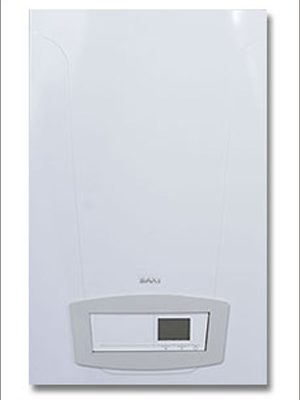
Baxi Luna Duo-Tec 1.110 MP Boiler
-
Baxi Luna Duo-Tec 1.70 MP Boiler
-
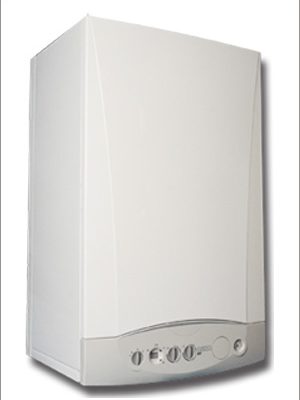
Baxi Luna HT Series – 1.100 Boiler
Commercial Models for High-Efficiency Hydronic Heating
Commercial Models are high-output wall-mounted condensing gas boilers designed for larger hydronic heating loads and applications where a residential boiler may not provide enough capacity. This category includes heating-only boilers that can serve commercial buildings, multi-zone hydronic systems, radiant heating and other higher-load applications, with individual or multiple-boiler configurations selected to match the project.
For Toronto and GTA commercial boiler projects, maximum BTU output is only one selection factor. Minimum modulation, peak building load, hydronic flow, redundancy, controls, venting, gas supply and the ability to stage multiple boilers can have a greater effect on real operating performance.
Commercial Boiler Models in This Category
The category includes three high-output condensing boiler options with different capacities and modulation ranges. Comparing maximum and minimum output is important because commercial systems must handle both Toronto design-day loads and substantially lower heating demand during milder weather.
Luna Duo-Tec 1.70 MP Commercial Boiler
The Luna Duo-Tec 1.70 MP is a heating-only wall-mounted condensing boiler intended for light commercial and higher-load hydronic applications. Its lower capacity relative to the larger commercial models can be an advantage when a building does not require approximately 380,000 BTU from a single boiler.
It can also be used as part of a modular design. Multiple smaller boilers can provide better staging and redundancy than one large appliance when the building's heating demand varies substantially throughout the season.
Luna Duo-Tec 1.110 MP Commercial Boiler
The Luna Duo-Tec 1.110 MP provides approximately 380,000 BTU of input with 95% thermal efficiency and approximately 10.5:1 central-heating turndown. Its ability to reduce firing rate substantially below maximum capacity is particularly relevant for commercial buildings with changing zone and seasonal loads.
The boiler includes a fixed-speed pump and uses a stainless-steel heat exchanger and burner. For larger systems, its controls can support staged multi-boiler configurations, making the model useful where both high peak capacity and lower part-load operation need to be addressed.
Luna HT 1.100 Commercial Boiler
The Luna HT 1.100 is a heating-only condensing boiler with approximately 379,000 BTU of maximum input and approximately 348,000 BTU of maximum output. Its minimum output is approximately 107,000 BTU, which creates a different part-load profile from the wider-modulating Duo-Tec commercial models.
That difference matters during replacement. Two boilers with similar maximum capacities can behave very differently when only a small portion of a commercial building is calling for heat.
Choosing Commercial Boiler Capacity
Commercial boiler sizing should start with the building's calculated design heating load, then consider how far demand falls during partial occupancy and milder weather. Selecting equipment only from the maximum requirement can produce excessive capacity during most operating hours.
Peak Heating Load
Maximum boiler capacity must cover the calculated design load without relying on unnecessary oversizing for security.
Minimum Building Load
Minimum firing capacity affects cycling when only a few zones are active or Toronto outdoor temperatures are mild.
Single vs Multiple Boilers
A modular configuration can divide capacity into smaller stages, improving load matching and providing operational redundancy.
Existing Hydronic Distribution
Radiators, air handlers, radiant systems and other emitters determine required flow and water temperatures, which directly affect boiler performance.
Building Controls
Commercial applications with multiple zones or building automation require compatible staging and control strategies rather than simple thermostat operation.
Future Capacity
Planned additions should be quantified before capacity is added; oversized equipment installed for uncertain future demand can reduce current part-load performance.
Commercial Boiler Modulation and Turndown
Commercial heating demand can vary widely between a cold Toronto morning and a mild afternoon. Modulation allows the burner to reduce output instead of repeatedly operating at maximum capacity.
Turndown therefore becomes an important comparison factor between models. A boiler with a lower minimum firing rate can remain operating under smaller loads before cycling becomes necessary, while a higher minimum output may be better suited to systems that maintain consistently large loads.
Why Minimum Boiler Output Matters
Commercial boiler specifications often emphasize maximum capacity, but minimum output can be equally important. Buildings with several independent zones may require only a fraction of their peak heating capacity at certain times.
Only One Small Zone Is Calling
A boiler selected only for a large design-day load may produce more heat at minimum fire than one active zone can absorb. Water temperature can rise rapidly, forcing repeated burner shutdowns and restarts even though the boiler's maximum capacity was correctly calculated.
Single Commercial Boiler vs Multiple-Boiler System
A building's total load can sometimes be handled by one larger boiler or divided among multiple smaller boilers. The better arrangement depends on minimum load, redundancy requirements, available space, controls and the consequences of taking one boiler out of service.
Cascade Commercial Boiler Systems
Commercial models can be configured in multi-boiler systems where controls sequence boilers as building demand rises and falls. Rather than operating every boiler simultaneously, a properly designed cascade can bring additional capacity online only when required.
The benefit is not simply higher total BTU capacity. Staging can improve part-load matching and provide redundancy, but it also increases the importance of hydraulic design, control sequencing, venting and commissioning.
Lead-Lag Boiler Control
In a multi-boiler installation, lead-lag control can rotate which boiler starts first and add subsequent units as demand increases. This avoids depending on one boiler to handle every low-load operating hour while other units remain unused.
Poor sequencing can undermine the benefit of a cascade. If too many boilers are enabled for a small load, the system can still cycle even though total installed modulation appears favourable.
Commercial Boiler Efficiency
High-efficiency commercial condensing boilers can achieve thermal efficiency around the mid-90% range under rated conditions. Actual building performance depends on how the boiler plant operates throughout the heating season rather than maximum efficiency alone.
Return-water temperature, modulation, staging, cycling, outdoor reset and emitter design all influence condensing operation. A well-sized boiler plant operating at suitable water temperatures can use condensing technology more effectively than an oversized system running unnecessarily hot.
Return-Water Temperature and Condensing Performance
Condensing boilers recover additional heat when combustion gases cool enough for water vapour to condense within the heat exchanger. Lower return-water temperatures generally create better conditions for this process.
Commercial buildings with low-temperature radiant heating can be well suited to condensing operation. Older radiator or air-handler systems may require higher water temperatures during peak Toronto winter conditions, reducing condensing opportunities during those periods.
Commercial Boilers for Hydronic Air Handlers
Commercial models can supply hydronic air handlers where hot water passes through coils and transfers heat to moving air. Boiler selection must account for the coil's design water temperature, flow rate and required capacity.
Replacing a boiler without reviewing coil performance can create a mismatch. A high-efficiency boiler operated at lower water temperatures will not automatically deliver the same air-handler output if the coil was originally selected for much hotter water.
Commercial Boilers for Radiator and Baseboard Systems
Commercial buildings with radiators or hydronic baseboards can use condensing boilers when required water temperatures and flow are understood. Larger emitter surface area can allow useful heating output at lower water temperatures during much of the season.
Undersized emitters should not be corrected by oversizing the boiler. If a zone cannot release enough heat into the space, increasing boiler capacity can worsen cycling without solving the distribution problem.
Commercial Boilers for Radiant Heating
Radiant floors and other low-temperature hydronic applications can create favourable conditions for condensing boiler performance. These systems often need lower supply temperatures than conventional high-temperature emitters.
The boiler plant must still be sized to the actual load. Large commercial radiant systems can require significant flow, and hydraulic design becomes especially important when several manifolds or temperature zones operate independently.
Snowmelt and Specialty Hydronic Loads
Commercial boiler systems may also serve snowmelt or other specialty hydronic applications. These loads can be substantial and may operate differently from normal building space heating.
A snowmelt load should be calculated independently rather than simply added as an arbitrary safety margin. If building heating and snowmelt operate simultaneously, the boiler plant and distribution system must be designed for that combined condition.
Hydraulic Separation in Commercial Boiler Systems
Commercial hydronic systems can have multiple pumps and circuits with very different flow requirements. Hydraulic separation allows boiler-side flow to remain appropriate while building circuits operate according to their own demands.
Incorrect primary and secondary flow can cause unstable temperatures, inadequate heat transfer or boiler operating problems. Hydraulic components should therefore be sized from actual system flow rather than copied from the equipment being replaced.
Commercial Boiler Pumps and System Flow
Each commercial boiler has flow requirements that must remain within its allowable operating range. Building pumps, boiler pumps and control valves need to maintain appropriate circulation as zones open and close.
A higher-capacity boiler does not automatically correct insufficient flow. If the hydronic system cannot carry the boiler's output away from the heat exchanger, operating problems can occur regardless of available BTU capacity.
Outdoor Reset for Toronto Commercial Buildings
Outdoor reset allows boiler water temperature to decrease during milder weather and increase as Toronto temperatures fall. This can help the system match emitter output more closely to the building load.
The heating curve must reflect the actual distribution system. Setting water temperatures higher than necessary can reduce condensing performance, while an overly aggressive reduction can leave remote or high-load zones unable to maintain temperature.
Commercial Boiler Installation in Toronto and the GTA
Commercial boiler installation requires coordinated evaluation of heating load, hydronic flow, gas supply, venting, condensate drainage, electrical service, controls, pumps, zoning, water quality and equipment access. Multi-boiler projects add sequencing, common piping and additional venting considerations.
The wall-mounted format can reduce boiler-room footprint compared with some traditional floor-standing equipment, but available wall area alone does not determine installation feasibility. Service clearances, piping access and future component replacement also matter.
Commercial Gas Supply Requirements
A commercial boiler plant can create a substantial gas demand, particularly when several boilers operate at full fire simultaneously. Gas piping must be sized for the complete connected load rather than one boiler at a time.
A replacement project can therefore require gas-line changes even when the previous boiler had a similar nominal capacity. Pipe length, diameter, pressure and other connected appliances influence available supply.
Commercial Condensing Boiler Venting
Condensing commercial boilers require approved combustion-air and exhaust arrangements. Vent diameter, material, equivalent length, fittings and termination locations must be evaluated for the selected boiler configuration.
Multi-boiler installations require additional planning because venting several appliances individually can consume substantial space. Where an approved common or cascade venting arrangement is used, its sizing and configuration must match the complete boiler plant.
Condensate Management
Commercial condensing boilers can produce significant condensate during operation. Drain routing should be designed along with boiler placement and venting rather than treated as an afterthought.
Multiple boilers can increase total condensate volume. Drain capacity, materials and any required condensate treatment should therefore be considered at the system level.
Building Automation and Commercial Boiler Controls
Commercial buildings may require the boiler plant to communicate with central controls rather than operate from a simple thermostat. The Luna Duo-Tec MP platform supports control strategies that can integrate boiler operation with broader building requirements.
Control capability should be selected from the actual sequence of operation. Advanced communication provides little benefit if sensors, pumps, zones and staging logic are not commissioned to work together.
Commercial Boiler Replacement
Replacing a commercial boiler should begin with a new load and system assessment rather than matching the old nameplate. Building renovations, envelope upgrades, occupancy changes and previous oversizing can all make the original capacity inappropriate.
The replacement process is also an opportunity to compare a single-boiler design with a staged system. Where downtime is costly, redundancy and serviceability may justify a different boiler-plant arrangement even when total required capacity remains similar.
Replacing an Older High-Mass Boiler
An older commercial boiler may contain substantially more water and thermal mass than a wall-mounted condensing model. A direct capacity-for-capacity replacement can therefore behave differently when zones close or building load changes quickly.
Replacing a Large Boiler Without Reassessing the System
Matching an old boiler's nameplate can preserve decades of oversizing while introducing a lower-mass boiler into a system designed around different operating characteristics. The result can be excessive cycling, control problems and missed efficiency potential despite installing newer equipment.
Commercial Boiler Redundancy
For some commercial buildings, the consequence of losing heat is more important than minimizing equipment count. Multiple boilers can provide partial heating capacity while one unit is unavailable for maintenance or repair.
Redundancy should be quantified rather than assumed. A two-boiler plant where each boiler provides exactly half the design load does not provide full backup capacity if one unit fails during peak winter conditions.
Commercial Boiler Installation Cost
Commercial boiler cost depends on required capacity, number of boilers, hydronic piping, pumps, controls, gas service, venting, condensate management, electrical work, building automation, water treatment and removal of existing equipment. Boiler-room access and project phasing can also materially affect labour.
Equipment price alone is particularly misleading for multi-boiler projects. A lower-cost appliance can result in a higher installed project cost if it requires more extensive piping, controls or vent modifications.
Single-Boiler vs Cascade Installation Cost
A single commercial boiler usually requires fewer appliances and controls, while a cascade introduces additional piping, venting and sequencing components. That can make the initial installation more involved.
The comparison should also consider part-load operation, redundancy and maintenance. For buildings where heating interruption has a significant operational consequence, a higher initial cost for modular capacity may provide practical value that a simple equipment-price comparison misses.
Commercial Boiler Selection Checklist
Commercial boiler selection should balance peak heating capacity with minimum-load performance, system flow and operational requirements. Complete these checks before choosing among the commercial models or planning a replacement.
Choose the Right Commercial Boiler Configuration
- Calculate the building's current design heating load rather than matching the existing boiler nameplate.
- Determine the lowest expected operating load as well as peak capacity.
- Compare minimum firing rates and turndown ratios between models.
- Decide whether one boiler or multiple staged boilers better match the building load.
- Define required redundancy before selecting the number and capacity of boilers.
- Calculate separate loads for snowmelt or other specialty hydronic applications.
- Verify required supply and return temperatures for all connected emitters.
- Calculate boiler-side and system-side flow requirements.
- Determine whether hydraulic separation is required.
- Plan pumps and controls for changing zone conditions.
- Develop a lead-lag and staging sequence for multi-boiler systems.
- Verify compatibility with the building's control system.
- Confirm gas capacity for the full boiler plant at maximum demand.
- Plan combustion-air and exhaust venting before final equipment placement.
- Provide suitable condensate drainage for the complete system.
- Evaluate existing hydronic water quality before connecting new boilers.
- Plan installation and commissioning around required building uptime.
- Compare total installed system cost rather than boiler prices alone.
Choosing Commercial Models for Toronto and the GTA
Commercial Models in this category provide high-output condensing options for buildings that need more heating capacity, wider system control or modular boiler operation. The Luna Duo-Tec 1.70 MP, Luna Duo-Tec 1.110 MP and Luna HT 1.100 address different capacity and modulation requirements rather than serving as interchangeable choices.
For Toronto and GTA commercial boiler installation or replacement, the strongest selection starts with peak and minimum building loads, then evaluates modulation, staging, redundancy, hydronic flow, water temperature, controls, gas supply and venting. This approach helps match the boiler plant to how the building actually operates throughout the heating season.
FREE In-Home Estimate