


Gas-Fired Water Boilers
Showing all 2 results
-
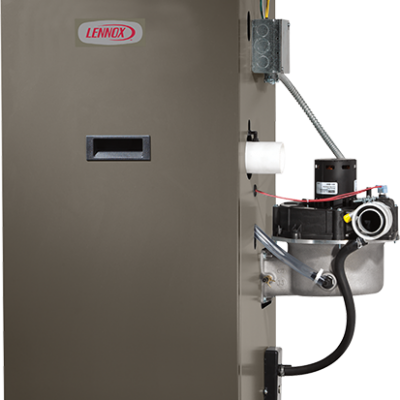
Lennox GWB9-IH High-efficiency Gas-fired Water Boiler
-
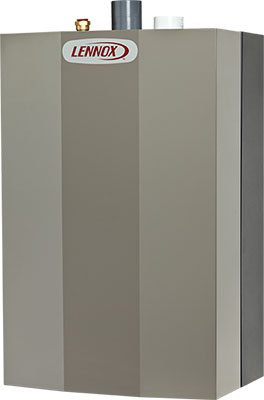
Lennox GWM-IE High-efficiency Gas-modulating Condensing Water Boiler
Gas-Fired Water Boilers for Toronto and GTA Homes
Gas-fired water boilers provide hydronic heating by warming water and circulating it through radiators, baseboards, radiant floors, or other compatible heating terminals. The main choices within this category are standard-efficiency and high-efficiency condensing boilers, with differences in efficiency, modulation, venting, installation requirements, and how well each system matches an existing hydronic heating setup.
For Toronto and GTA homes, boiler selection should reflect the home's actual heating load, existing radiation, required water temperature, available installation space, venting, and gas supply. Choosing only by BTU rating or replacing an old boiler with the same capacity can result in unnecessary cycling, higher operating costs, or uneven heating.
Choosing the Right Type of Gas-Fired Water Boiler
Not every hydronic system benefits from the same boiler design. Condensing models provide the highest efficiency potential, while other configurations may offer a simpler replacement path where existing piping, radiation, or installation conditions favour a more conventional setup.
Boiler Efficiency and Real-World Performance
AFUE is an important performance comparison, but the highest efficiency rating does not automatically mean the best boiler for every house. Condensing performance is influenced by return-water temperature, system controls, heating demand, and how frequently the boiler can operate at reduced output.
AFUE Rating
Higher AFUE means more of the fuel is converted into usable heat. It matters most when installation and system conditions allow the boiler to operate as designed.
Modulation Range
A modulating boiler can lower its firing rate as heating demand falls, reducing unnecessary full-output operation during milder Toronto weather.
Water Temperature
Lower return-water temperatures can improve condensing performance. Older high-temperature systems should be evaluated before assuming they will achieve the same efficiency as low-temperature applications.
Heating Load
Boiler capacity should follow the home's calculated heat loss. Excess capacity can increase cycling instead of improving winter comfort.
Zoning
Multiple heating zones can create very small active loads. Boiler minimum output and control strategy become especially important in these applications.
Hydronic Distribution
Radiators, baseboards, and radiant floors have different operating temperatures and output characteristics, directly affecting boiler selection.
Why Boiler Sizing Matters
A gas-fired water boiler should be selected from the building's current heating requirement rather than the capacity of the equipment being removed. Older Toronto homes may have received new windows, insulation, air sealing, additions, or renovations that changed the actual heating load.
An oversized boiler can reach its target water temperature too quickly and shut down repeatedly. A correctly selected boiler is better positioned to run longer, steadier heating cycles and maintain more consistent indoor temperatures.
Replacing an Old Boiler With the Same BTU Size
If the existing boiler was oversized, selecting the same capacity preserves the problem. The replacement may short cycle during moderate weather, increase component cycling, and fail to take full advantage of modulation or high-efficiency operation.
Radiators, Baseboards and Radiant Floor Heating
The heat-distribution system should be evaluated before choosing a boiler because each type requires different water temperatures and flow conditions. A model that works well with low-temperature radiant heating may operate differently when connected to traditional high-temperature baseboards or radiators.
Condensing Boiler Installation Requirements
Moving from an older conventional boiler to a high-efficiency condensing model can improve performance, but installation is rarely determined by the boiler alone. Venting, combustion air, condensate drainage, gas supply, circulators, system piping, electrical requirements, and controls all affect the final project.
This difference is important when comparing boiler replacement cost. A less expensive unit that requires extensive mechanical changes may result in a higher installed cost than a model that better matches the existing system.
Gas-Fired Water Boiler Replacement
Boiler replacement in Toronto and the GTA should begin with an assessment of the complete hydronic system. Existing piping, pumps, expansion components, controls, radiation, gas service, venting, and system-water condition can determine whether a straightforward replacement or a broader system upgrade is appropriate.
Replacing equipment without addressing poor circulation, incorrect zoning, inadequate radiation, or outdated controls can leave existing comfort problems unchanged. The new boiler should be selected as part of the heating system rather than as an isolated appliance.
Gas-Fired Water Boiler Cost Factors
Installed boiler cost depends on much more than equipment price. Higher-efficiency models can cost more initially, while conversion from conventional to condensing operation may introduce additional work that should be considered before comparing quotes.
- Boiler capacity and efficiency level
- Condensing versus conventional configuration
- Modulating or fixed-output operation
- Existing boiler removal and disposal
- Gas piping and available gas capacity
- Venting and combustion-air requirements
- Condensate drainage
- Hydronic piping modifications
- Circulators, zoning, and control upgrades
- Electrical and thermostat requirements
- System cleaning, filling, and commissioning
Local Suitability for Toronto and the GTA
Toronto's long heating season makes seasonal efficiency and part-load operation particularly relevant when choosing a gas-fired water boiler. The boiler must provide sufficient output during cold winter conditions while still operating efficiently during the many days when the home needs considerably less than peak heating capacity.
High-efficiency modulating boilers can be particularly effective where the hydronic system supports lower water temperatures and variable heating demand. In other homes, existing high-temperature radiation or mechanical-room limitations may change which configuration provides the best balance of efficiency, installation complexity, and long-term performance.
Gas-Fired Water Boiler Selection Checklist
Before choosing a replacement or planning a new installation, confirm the factors that determine whether the boiler will work correctly with the home. This avoids selecting equipment on efficiency ratings or advertised capacity alone.
What to Confirm Before Choosing a Boiler
- Verify the home's current heating load instead of copying the old boiler's BTU rating.
- Determine whether radiators, baseboards, radiant floors, or multiple hydronic zones are being served.
- Compare condensing, modulating, conventional, and combination boiler configurations.
- Check required supply and return water temperatures.
- Review available boiler modulation when small heating zones are present.
- Confirm gas-line and gas-meter capacity.
- Inspect existing venting before deciding it can be reused.
- Confirm venting and condensate requirements for high-efficiency equipment.
- Review circulators, expansion components, controls, and existing hydronic piping.
- Compare complete installed cost rather than equipment price alone.
Select a Gas-Fired Water Boiler That Fits the System
The right gas-fired water boiler should match the home's heating load, hydronic distribution, water-temperature requirements, zoning, venting, gas supply, and efficiency goals. Higher capacity is not inherently better, and higher rated efficiency provides the greatest value when the installation and connected heating system support it.
For boiler installation or replacement in Toronto and the GTA, evaluating the complete hydronic system before selecting equipment can improve comfort, reduce unnecessary cycling, and help the new boiler operate closer to its intended performance.
FREE In-Home Estimate