


Oil-Fired Water Boilers
Showing the single result
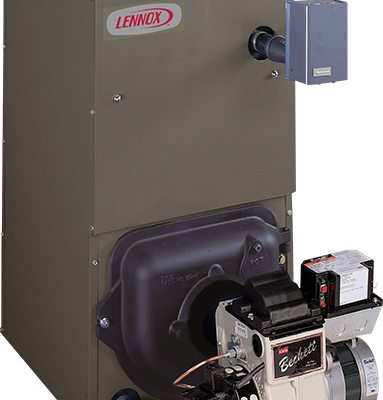
Oil-Fired Water Boilers for Toronto and GTA Homes
Oil-fired water boilers heat water for circulation through radiators, hydronic baseboards, radiant floors, and other compatible hot-water heating systems. They are most relevant where heating oil is already available, natural gas service is limited, or an existing oil-fired hydronic system is being replaced without changing the home's entire heating infrastructure.
The right boiler depends on more than its maximum BTU output. Heating load, boiler efficiency, burner configuration, water-temperature requirements, domestic hot-water needs, chimney or venting conditions, and the existing distribution system all affect system selection and long-term performance.
Choosing the Right Oil-Fired Water Boiler Configuration
Oil boiler configurations can serve similar heating applications while differing in efficiency potential, domestic hot-water capability, installation complexity, and suitability for an existing mechanical room. The best choice is the one that matches the building and hydronic system rather than simply replacing the old boiler with a similar-looking unit.
Efficiency, Capacity and Boiler Performance
Efficiency ratings help compare oil-fired water boilers, but boiler performance in the home also depends on sizing, water temperature, controls, burner setup, and the condition of the hydronic system. A higher-efficiency model can still perform poorly if it is oversized or installed without considering the connected heating load.
Heating Capacity
Boiler output should match the home's calculated heat loss. Excess capacity can cause shorter operating cycles without providing better comfort.
AFUE
AFUE helps compare seasonal fuel efficiency between residential models, but installed performance still depends on proper setup and system operation.
Burner Performance
Proper burner setup affects combustion quality, efficiency, reliability, and fuel use, making commissioning an important part of installation.
Water Temperature
Radiators, baseboards, and radiant floors can require different operating temperatures, so the connected distribution system should guide boiler setup.
Domestic Hot Water
If the boiler includes a domestic hot-water coil, household hot-water demand becomes part of system selection rather than considering space heating alone.
Existing Oil System
Fuel storage, oil lines, chimney or venting, controls, pumps, and existing piping can change both replacement cost and the most practical boiler configuration.
Why Correct Oil Boiler Sizing Matters
Replacing an oil-fired boiler by copying the capacity of the existing unit can be a costly mistake. Older boilers were often selected under different building conditions, and renovations, insulation upgrades, window replacement, additions, or changes to the hydronic system can alter the home's current heating requirement.
An oversized boiler may satisfy demand quickly but cycle more frequently during milder weather. An undersized boiler can struggle during peak winter conditions. Proper system selection balances enough capacity for Toronto winter heating loads with stable operation throughout the rest of the heating season.
Replacing an Old Oil Boiler With the Same BTU Rating
If the existing boiler has more capacity than the home requires, selecting the same size can carry that problem into the new installation. The result may be unnecessary cycling, less efficient operation, greater burner activity, and reduced opportunity to improve seasonal fuel use.
Radiators, Baseboards and Radiant Heating Compatibility
Oil-fired water boilers are part of a complete hydronic system, so the type and capacity of the connected radiation matter. Boiler selection should consider how much heat the distribution system can deliver at the intended water temperature instead of treating the boiler as an independent appliance.
Oil-Fired Water Boiler Replacement
An oil boiler replacement should include an assessment of the equipment surrounding the boiler, not just the boiler itself. Oil storage and supply components, burner condition, chimney or venting, circulators, expansion components, zone controls, piping, radiation, and electrical requirements can all affect the installation.
This is especially important in older Toronto and GTA properties where the hydronic system may have been modified several times. Installing a new boiler without correcting existing circulation, control, or distribution problems can leave the homeowner with many of the same comfort issues.
Oil Boiler Venting and Installation Considerations
Oil-fired equipment requires an appropriate combustion and venting arrangement. During replacement, the existing chimney or venting system should be evaluated rather than automatically assumed to be suitable for the new boiler.
The installation also needs adequate service access around the boiler and burner. A model that technically fits the available floor area may still be a poor choice if routine burner service, cleaning, inspection, or component replacement becomes difficult after installation.
Oil-Fired Water Boiler Cost Factors
The cost of an oil-fired water boiler installation varies with equipment capacity, boiler design, efficiency, and the condition of the existing heating system. Comparing equipment prices alone can be misleading because two replacements may require very different amounts of piping, venting, fuel-system, control, or electrical work.
- Required boiler heating capacity
- Efficiency level and boiler design
- Burner and control configuration
- Existing boiler removal
- Oil tank and fuel-line condition
- Chimney or venting modifications
- Hydronic piping changes
- Circulator and zoning requirements
- Expansion and system-safety components
- Domestic hot-water configuration
- Electrical and thermostat work
- System cleaning and commissioning
When an Oil-Fired Water Boiler Makes Sense
An oil boiler can remain a practical replacement choice where a property already has an established oil supply, suitable hydronic distribution, and no compelling reason to convert the entire heating system to another energy source. Reusing compatible infrastructure can reduce the scope of a replacement compared with a full fuel and heating-system conversion.
The trade-off is that oil heating requires fuel storage, delivery, burner maintenance, and continued attention to the oil supply system. Where several heating options are available, these operating requirements should be compared with the installation cost and disruption involved in switching to another system.
Oil Boiler Replacement Versus Changing Heating Systems
When an existing oil boiler reaches the end of its service life, homeowners may compare direct oil boiler replacement with a broader conversion. The right decision depends on the condition of the hydronic system, fuel availability, electrical capacity, renovation plans, mechanical-room constraints, and the cost of changing supporting infrastructure.
Local Suitability for Toronto and the GTA
Toronto's heating season includes both severe winter conditions and long periods of moderate heating demand. An oil-fired water boiler should be capable of meeting the building's design heating load while avoiding unnecessary oversizing that can affect operation during milder weather.
Local suitability also depends on the property itself. Homes with established oil storage, existing hydronic distribution, and suitable venting may present a very different replacement case from properties considering a complete heating-system conversion.
Oil-Fired Water Boiler Selection Checklist
Before selecting an oil boiler for installation or replacement, confirm the conditions that determine how the equipment will actually perform. These checks make it easier to compare suitable models rather than relying on capacity or price alone.
What to Confirm Before Choosing an Oil Boiler
- Calculate the home's current heating load instead of automatically matching the old boiler size.
- Confirm whether the system serves radiators, baseboards, radiant floors, or multiple zones.
- Compare boiler output and seasonal efficiency.
- Determine whether domestic hot water will be produced through the boiler.
- Inspect the oil tank, fuel line, filter, and related oil-supply components.
- Assess the existing chimney or venting configuration.
- Review circulators, expansion components, controls, and hydronic piping.
- Confirm adequate service clearance around the boiler and burner.
- Compare complete installation and replacement costs, not equipment prices alone.
- Evaluate the cost and scope of staying with oil versus changing the heating system.
Select an Oil-Fired Water Boiler That Fits the Heating System
The best oil-fired water boiler is one that matches the building's heating load, hydronic distribution, fuel system, venting, domestic hot-water requirements, and available installation space. Higher output does not automatically provide better heating, and equipment efficiency should be considered together with system design and proper commissioning.
For oil boiler installation or replacement in Toronto and the GTA, evaluating the complete heating system before selecting equipment can help improve comfort, control fuel consumption, and avoid carrying old system problems into the new installation.
FREE In-Home Estimate