

Comfort Residential Series
Showing all 8 results
-
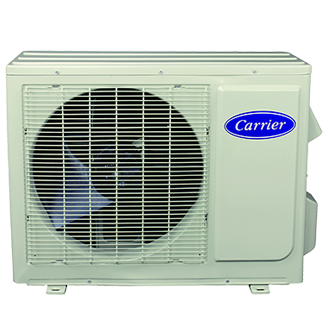
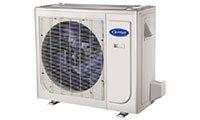
Carrier Comfort Residential Ductless System Air Conditioner 38MFC
-
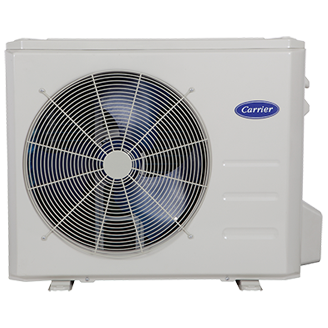
Carrier Comfort Residential Ductless System Air Conditioner 38MHRC
-
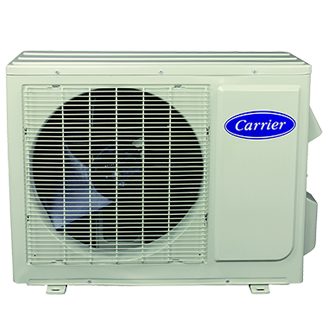
Carrier Comfort Residential Ductless System Heat Pump 38MFQ
-
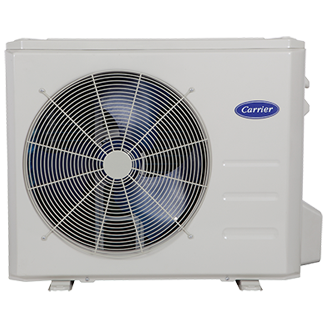
Carrier Comfort Residential Ductless System Heat Pump 38MHRQ
-
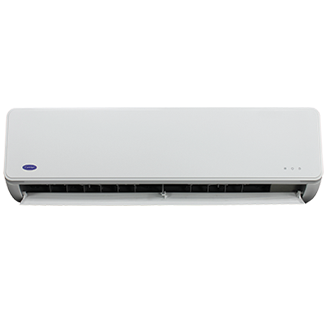
Carrier Comfort Residential Ductless System High Wall Indoor Unit 40MFC
-
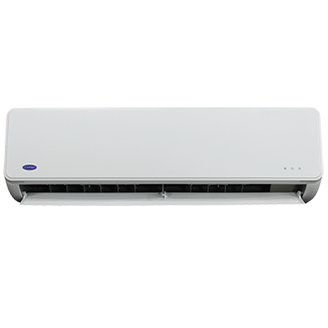
Carrier Comfort Residential Ductless System High Wall Indoor Unit 40MFQ
-
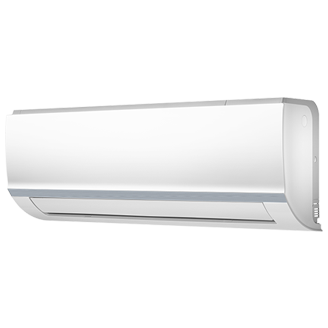
Carrier Comfort Residential Ductless System High Wall Indoor Unit 40MHHC
-
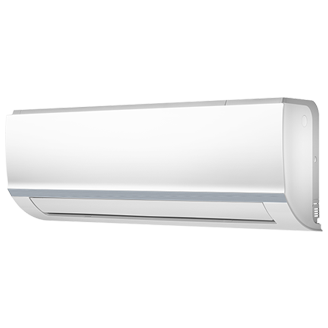
Carrier Comfort Residential Ductless System High Wall Indoor Unit 40MHHQ
Comfort Residential Series Ductless Systems
Comfort Residential Series ductless systems are value-focused single-zone air conditioners and heat pumps designed for rooms where conventional ductwork is unavailable, difficult to extend, or unnecessary. The category includes four outdoor units and four matching high-wall indoor units, giving homeowners a choice between cooling-only systems and year-round heat-pump configurations.
For Toronto and GTA homes, the key decisions are whether heating is required, which outdoor and indoor models are designed to work together, how much capacity the room needs, and whether the system's winter operating capability matches the intended use. Installation layout, electrical supply, refrigerant piping, replacement compatibility, and total installed cost should be considered before choosing between the available Comfort systems.
Comfort Residential Series Products
The category currently contains eight products arranged as four outdoor-and-indoor system pairings. Matching the correct indoor and outdoor models is more important than comparing an indoor unit by itself because efficiency and system capability depend on the complete combination.
38MHRC and 40MHHC Cooling-Only System
The 38MHRC is a single-zone ductless air conditioner designed to pair with the 40MHHC high-wall indoor unit. It can reach up to 17.5 SEER and is available in several residential capacities, making it the stronger cooling-only option in this category when efficiency is a priority.
This pairing makes the most sense when a room already has adequate winter heating from another source. Paying for a heat-pump configuration offers limited practical value if the ductless system will only operate during Toronto's cooling season.
38MHRQ and 40MHHQ Heat-Pump System
The 38MHRQ provides both heating and cooling and pairs with the 40MHHQ high-wall indoor unit. It can reach up to 17 SEER cooling efficiency and up to 9 HSPF heating efficiency, giving homeowners a year-round alternative to a cooling-only system.
The heat-pump version is more useful for additions, converted spaces, bedrooms, offices, and other areas where independent heating is valuable. For Toronto winter use, however, operating range and available heating capacity at low outdoor temperatures should be considered separately from seasonal efficiency.
38MFC and 40MFC Cooling-Only System
The 38MFC uses an inverter compressor and can reach up to 15 SEER when paired with the 40MFC high-wall indoor unit. It is a cooling-only configuration for homeowners who need dedicated air conditioning without adding heat-pump operation.
Compared with the 38MHRC system, the 38MFC has a lower maximum cooling-efficiency rating. That difference becomes more relevant in a room expected to operate for long periods throughout the summer than in a lightly used space where initial installation cost has greater importance.
38MFQ and 40MFQ Heat-Pump System
The 38MFQ pairs with the 40MFQ high-wall indoor unit to provide single-zone heating and cooling. The outdoor unit uses an inverter compressor and can reach up to 15 SEER and 8.2 HSPF.
Its heating operating range extends to approximately -15°C, so it can provide useful heating during significant portions of a Toronto winter. That operating limit should not be confused with guaranteed full heating capacity at the lowest temperature, making heat-loss calculations important when the unit is expected to carry a major winter load.
Cooling-Only vs Heat Pump
The most important choice within the Comfort Residential Series is whether the room requires air conditioning only or both heating and cooling. Choosing a heat pump solely because it offers more functions can add unnecessary cost, while installing cooling-only equipment in a space with a real heating problem can leave the original comfort issue unresolved.
38MHRC vs 38MFC Air Conditioners
Both Comfort air conditioners serve one ductless zone, but they differ in maximum efficiency and matching indoor equipment. The more efficient configuration can have greater value in a frequently used room, while a lower-rated system may still meet the needs of a seasonal or secondary space.
38MHRQ vs 38MFQ Heat Pumps
The two heat pumps provide the same basic function but differ in maximum efficiency and product generation. Comparing their complete matched systems is more useful than treating both Comfort heat pumps as equivalent.
Choosing the Right Comfort System
Room use should determine the system before individual features are compared. A bedroom that needs occasional summer cooling has a different requirement from a converted addition that depends on ductless equipment for both summer cooling and shoulder-season heating.
Cooling-Only Room
Start with 38MHRC or 38MFC when another heating system already keeps the room comfortable through winter.
Heating and Cooling
Start with 38MHRQ or 38MFQ when the ductless unit needs to provide independent heating as well as air conditioning.
Efficiency Priority
Compare maximum seasonal ratings when the room will operate frequently, because higher efficiency has more opportunity to affect long-term energy use.
Replacement Project
Do not assume an existing indoor unit, line set, or electrical circuit is automatically compatible with a different Comfort outdoor model.
Toronto Winter Use
If heat-pump operation will continue through cold weather, compare available low-temperature heating capacity with the room's calculated heat loss.
Budget Priority
Choose the simplest system that solves the actual comfort problem rather than paying for heating capability or higher specifications the room will rarely use.
High-Wall Indoor Unit Selection
All four systems in this category use high-wall indoor units. The 40MHHC and 40MHHQ serve the MHR platforms, while the 40MFC and 40MFQ complete the MF systems.
High-wall equipment works best where there is enough upper-wall space for unrestricted supply and return airflow. A technically correct model can still produce uneven comfort if it is installed behind furniture, close to an obstruction, or where its air cannot reach the occupied part of the room.
Indoor Comfort and Sound
The 40MFC can operate as quietly as approximately 34 decibels, while the 40MFQ reaches approximately 30 decibels under favourable conditions. Quiet operation can be valuable in bedrooms and home offices, but published minimum sound should not be the only selection criterion.
Fan speed, room acoustics, installation location, required airflow, and operating load affect perceived sound. Choosing a smaller unit simply because its minimum sound specification appears attractive can create a capacity problem if the room requires more heating or cooling.
Comfort Series Sizing for Toronto Homes
Ductless sizing should account for room heat gain and heat loss rather than relying on floor area alone. Window size, solar exposure, insulation, ceiling height, exterior walls, air leakage, occupancy, and whether the unit will provide winter heating can materially change the required capacity.
This is especially important with a single-zone system because the outdoor unit is dedicated to one indoor unit. Oversizing cannot be corrected by distributing excess capacity to another room.
Choosing the Largest Unit for Faster Cooling
An oversized ductless system can satisfy the thermostat quickly without operating long enough to provide the steady comfort expected from inverter equipment. Correct sizing gives the compressor a better opportunity to modulate instead of repeatedly operating near its minimum capacity.
Heating Performance in Toronto Winters
The 38MHRQ and 38MFQ can provide useful ductless heating, but Comfort Series heat pumps should be selected with realistic expectations for Toronto's coldest conditions. Operating at a low outdoor temperature and delivering enough heat to cover the room's full load are two different performance questions.
If the ductless system will supplement a furnace, boiler, electric baseboard, or another reliable heating source, the winter capacity requirement may be less demanding. If it is expected to serve as the primary heater for a room, low-temperature output becomes a more important system-selection factor.
Comfort Series vs Performance Series
The Comfort category is oriented toward value-focused single-zone applications, while higher product tiers offer additional efficiency and system flexibility. Moving to a higher series makes the most sense when the extra performance solves a specific requirement rather than simply increasing the specification sheet.
Comfort Series vs Newer Ductless Alternatives
The models on this category page represent established Comfort ductless platforms, while newer Comfort equipment is also available in the broader residential market. This matters for new installations because current refrigerant platforms, model availability, efficiency ratings, and future replacement compatibility can differ from older equipment.
When replacing an existing Comfort system, staying with the exact legacy model is not automatically the best choice. When planning a new installation, current equipment availability and the intended ownership period should be considered alongside the specifications of the models listed in this category.
Comfort Ductless vs Central HVAC
A Comfort single-zone system is most useful when one room has a specific heating or cooling problem that does not justify modifying the entire central HVAC system. Additions, converted spaces, upper-floor rooms, home offices, workshops, and older homes without usable ductwork are common applications.
If several rooms need simultaneous conditioning and good central ductwork already exists, a central system or a more flexible multi-zone solution may make more sense. Installing several separate Comfort single-zone systems can increase outdoor-equipment count and installation complexity.
Best Applications for Comfort Residential Systems
These systems are most effective when the project has a clearly defined single-zone requirement. Matching the application to the correct cooling-only or heat-pump configuration helps avoid unnecessary equipment cost and performance compromises.
Home Addition
A dedicated system can condition new space without assuming the existing furnace or central air conditioner has enough spare capacity.
Converted Space
A garage conversion, finished attic, or renovated room can gain independent comfort without extending full-size central ductwork.
Hot Bedroom or Office
A single-zone air conditioner can address a recurring summer comfort problem without changing temperatures throughout the rest of the home.
Seasonal Cooling
A cooling-only model is the more direct choice when the room already has reliable heating and ductless winter operation is unnecessary.
Independent Room Heating
A heat-pump model makes more sense when the same room needs both summer air conditioning and supplemental heating.
Budget-Conscious Upgrade
The series suits projects where straightforward single-zone comfort is more important than premium efficiency or advanced multi-zone capability.
Comfort Residential Series Installation
A typical installation requires an outdoor unit, matching high-wall indoor unit, refrigerant piping, condensate drainage, electrical service, communication wiring, secure mounting, pressure testing, evacuation, startup, and commissioning.
The shortest equipment distance is not always the best installation layout. Indoor airflow, exterior appearance, refrigerant-line routing, drainage, outdoor clearances, winter accessibility, and future service access should all be considered before the mounting locations are finalized.
Refrigerant Piping and Electrical Requirements
Several models in this category are available in 115-volt or 208 and 230-volt configurations depending on capacity. Refrigerant piping limits also vary by outdoor-unit size, so electrical and line-set planning should be completed for the exact model rather than for the Comfort category in general.
Older Toronto homes should have electrical capacity checked before installation. If a new dedicated circuit, panel work, longer refrigerant route, condensate pump, or difficult wall penetration is required, the project cost can change materially.
Comfort Residential Series Replacement
Replacing an existing Comfort ductless system should begin by identifying the exact indoor and outdoor models. A 38MFC and 40MFC pairing should not be treated as interchangeable with a 38MHRC and 40MHHC combination simply because both systems provide cooling.
Existing refrigerant lines, electrical service, condensate drainage, wiring, mounting locations, refrigerant requirements, and system compatibility should be checked before anything is reused. A replacement that requires new piping or electrical work can have a very different installed cost from a straightforward equipment change.
Repair or Replace a Comfort Ductless System?
Repair can remain sensible when the equipment is otherwise in good condition, parts remain available, and the problem is isolated. Replacement becomes more attractive when major components fail, repairs are recurring, efficiency is significantly below current alternatives, or an older system no longer matches the homeowner's heating and cooling needs.
Model availability also matters with established product platforms. A repair decision should consider not just today's repair cost but whether the existing indoor and outdoor equipment can continue to be supported as a matched system.
Comfort Residential Series Installation Cost
Installed cost varies with model, capacity, electrical requirements, refrigerant-line length, wall construction, condensate routing, outdoor mounting, equipment access, and whether an existing system must be removed. Heat-pump and cooling-only quotes should therefore be compared as complete installations rather than by equipment price alone.
A lower-cost unit can become a more expensive project if it requires extensive electrical or piping work. Conversely, a higher-efficiency model may not provide enough operating-cost benefit to justify the difference in a room used only occasionally.
What Changes the Installed Cost?
The factors below have more influence on the final project than a generic category price. Confirming them early helps homeowners compare quotations on an equivalent scope.
- 38MHRC, 38MHRQ, 38MFC, or 38MFQ outdoor model
- Required heating and cooling capacity
- Cooling-only or heat-pump configuration
- 115-volt or 208 and 230-volt electrical requirements
- New dedicated electrical circuit or panel work
- Refrigerant-line length and routing
- Condensate drainage requirements
- Indoor and outdoor mounting access
- Exterior line-cover requirements
- Removal of existing ductless equipment
- Replacement of incompatible piping or wiring
- Current availability of the selected model and matching indoor unit
Comfort Residential Series Selection Checklist
The correct system should solve the room's actual comfort requirement without adding features that will not be used. Confirm these items before choosing among the eight products in this category.
Choose the Right Comfort Ductless System
- Choose cooling-only equipment when the room already has adequate winter heating.
- Choose a heat pump when independent heating and cooling are both required.
- Compare 38MHRC with 38MFC when selecting between the two cooling-only systems.
- Compare 38MHRQ with 38MFQ when selecting between the two heat-pump systems.
- Use the correct matching high-wall indoor unit for the chosen outdoor platform.
- Calculate the room's heating and cooling load before selecting capacity.
- Compare low-temperature heating output if winter heating is important.
- Confirm that the proposed high-wall location provides unobstructed airflow.
- Plan refrigerant piping and condensate drainage before confirming unit locations.
- Verify electrical voltage, circuit requirements, and available panel capacity.
- Check existing line sets and wiring carefully when replacing an older ductless system.
- Confirm current model availability and suitable replacement options before finalizing the project.
- Compare complete installed cost rather than outdoor-unit price alone.
- Consider a higher product tier only when its additional efficiency or capability solves a real requirement.
Choose the Right Comfort Residential Series System
The Comfort Residential Series offers four straightforward single-zone system paths. The 38MHRC with 40MHHC and 38MFC with 40MFC provide cooling-only solutions, while the 38MHRQ with 40MHHQ and 38MFQ with 40MFQ add heat-pump heating.
For Toronto and GTA homes, the better choice depends on whether winter heating is required, calculated room load, expected operating hours, efficiency priorities, installation conditions, electrical requirements, replacement compatibility, and budget. Selecting the simplest correctly sized system that solves the actual room-comfort problem usually provides more value than choosing specifications the space does not need.
FREE In-Home Estimate