


Mini-Split Air Conditioner
Showing the single result
Lennox Mini-Split Air Conditioners for Ductless Cooling
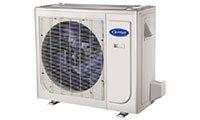
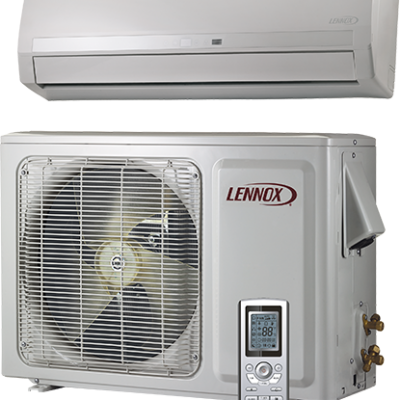
Mini-split air conditioners are ductless cooling systems designed to condition individual rooms or defined zones without extending a central duct system. In this category, the Lennox MS8C provides single-zone variable-capacity cooling for spaces such as additions, sunrooms, bedrooms, offices, finished upper floors, and other areas where direct room cooling is more practical than modifying whole-home ductwork.
For Toronto and GTA homes, the main decisions are whether cooling-only equipment is appropriate, what capacity the room requires, how the indoor unit will distribute air, where the outdoor condenser can be installed, and whether an older MS8C should be repaired, replaced with another available unit, or upgraded to a current mini-split platform.
Lennox MS8C Mini-Split Air Conditioner
The MS8C is a single-zone ductless air conditioner available in several cooling capacities from approximately 9,000 to 30,000 BTU per hour. Depending on the matched size, efficiency reaches up to 22 SEER, while inverter-driven variable-capacity operation adjusts output instead of relying only on full-capacity starts and stops.
The MS8C is cooling-only equipment. That distinction matters in Toronto because a homeowner who also needs ductless winter heating should compare a mini-split heat pump instead of choosing the MS8C simply because the room lacks ductwork.
MS8C Capacity and Efficiency Options
The different MS8C sizes do not all carry identical efficiency ratings. Smaller capacities can achieve higher seasonal efficiency, while larger models provide more cooling capacity for spaces with greater heat gain.
When a Cooling-Only Mini-Split Makes Sense
A mini-split air conditioner is most useful when the room already has a satisfactory heating source and the actual problem is summer cooling. In that situation, paying for heat-pump capability may add functionality that the homeowner does not need.
Hot Sunroom
A dedicated mini-split can address strong solar heat gain without forcing the central air conditioner to overcool the rest of the home.
Home Addition
Cooling-only ductless equipment can serve new space when existing heating is adequate but extending central cooling ducts is impractical.
Upper-Floor Bedroom
A dedicated system can solve a persistent warm-room problem when existing central airflow is insufficient.
Home Office
Independent cooling can condition one occupied room without operating the central air conditioner for the entire house.
Media or Equipment Room
A mini-split can manage concentrated internal heat gain from electronics where the main HVAC system cannot respond effectively.
Existing Reliable Heating
Cooling-only equipment makes more sense when a furnace, boiler, radiator, or another heating source already handles winter comfort.
Mini-Split Air Conditioner vs Mini-Split Heat Pump
The most important category-level comparison is cooling-only versus heating-and-cooling equipment. Both use similar ductless architecture, but the heat pump can reverse the refrigeration cycle to provide winter heating.
How to Size an MS8C Mini-Split Air Conditioner
MS8C capacity should be selected from the actual cooling load rather than room area alone. Window size, solar exposure, insulation, ceiling height, exterior walls, air leakage, occupancy, lighting, electronics, and room orientation can all change how much cooling is required.
This is especially important in Toronto homes with large west-facing windows, finished attics, sunrooms, and older additions. Two rooms with the same floor area can require substantially different mini-split capacities.
Why Oversizing Can Reduce Comfort
The MS8C uses variable-capacity operation, but inverter technology does not make sizing irrelevant. Every system still has a minimum useful operating range.
Choosing a Larger Mini-Split for Faster Cooling
An oversized unit can reduce room temperature quickly but spend less time operating within its efficient modulation range. The result can be less stable comfort and unnecessary equipment capacity, especially in smaller Toronto bedrooms or offices.
Variable-Capacity Cooling
The MS8C adjusts compressor output as cooling demand changes instead of operating only at full capacity. This can reduce temperature swings and allow the system to use less output during mild conditions while increasing capacity as room heat gain rises.
The benefit is greatest when the system is correctly sized. If the unit is substantially oversized, the room may regularly require less cooling than the system can comfortably modulate down to.
MS8C Indoor and Outdoor Sound
The MS8C indoor unit can operate at sound levels around 26 dB on applicable configurations, while outdoor sound can be around 50 dB. That makes the system suitable for bedrooms, home offices, and living areas where indoor noise is an important decision factor.
Minimum published sound does not describe every operating condition. Fan speed, cooling load, mounting surface, outdoor-unit location, and room acoustics can all affect how the system is perceived in actual use.
High-Wall Indoor Unit Placement
The MS8C uses a wall-mounted indoor fan coil, so its position directly affects room airflow. The preferred location should allow supply air to move through the occupied area without being blocked by tall furniture, cabinets, curtains, shelving, or architectural features.
Selecting the shortest refrigerant route should not override airflow. A slightly longer installation can provide better comfort if it places the indoor unit where conditioned air reaches the room more evenly.
Mini-Split Air Conditioner vs Window AC
Both systems can cool one room, but their installation and performance are very different. A window unit is cheaper and easier to install, while a permanent mini-split separates the indoor evaporator from the outdoor compressor and provides variable-capacity operation with no large appliance occupying the window opening.
Mini-Split Air Conditioner vs Portable AC
A portable air conditioner can be moved and normally requires little permanent installation, which makes it useful for temporary cooling or rental situations. A ductless mini-split is a fixed HVAC system designed for long-term room comfort.
Portable equipment usually keeps the compressor indoors and must reject heat through a window hose. For a homeowner who expects to cool the same room every summer, the MS8C provides a more permanent solution but requires a larger upfront installation investment.
Mini-Split Air Conditioner vs Central Air Conditioning
The MS8C is most useful when one room or area needs independent cooling. Central air conditioning is usually more practical when an existing duct system already serves the full home effectively.
Replacing a properly functioning central air conditioner with multiple single-zone mini-splits can add equipment and maintenance without solving a clear problem. A ductless air conditioner becomes more compelling when the issue is isolated to an addition, converted space, upper floor, or room the central system cannot cool adequately.
MS8C Installation in Toronto and the GTA
Professional installation includes load-based sizing, indoor and outdoor unit mounting, refrigerant piping, condensate drainage, electrical service, control wiring, pressure testing, evacuation, startup, and commissioning. The small wall penetration associated with ductless systems does not eliminate the need for proper HVAC installation.
Installation conditions can vary considerably between Toronto homes. Brick walls, finished basements, narrow side yards, condominium restrictions, long refrigerant routes, electrical panel limitations, and exterior appearance requirements can all affect the final system layout.
Refrigerant Line and Condensate Planning
The indoor and outdoor units are connected by refrigerant piping and electrical wiring, while moisture removed from indoor air must drain safely away. A location that looks ideal inside the room can become impractical if the condensate route or exterior piping is difficult.
Short, accessible routes are usually preferable, but routing should not compromise indoor airflow or outdoor service access. Both ends of the system should be planned before installation begins.
Electrical Requirements
MS8C electrical requirements vary with capacity. Some smaller configurations have historically been available with lower-voltage supply, while other sizes use 208 or 230-volt service.
The exact model should be selected before the circuit is finalized. Older Toronto homes may require new electrical work, and panel capacity can materially change the installed project cost.
MS8C Replacement and Current Availability
The MS8C is an established cooling-only platform rather than the newest Lennox mini-split air conditioner generation. Current inventory may be limited, while newer mini-split air conditioners such as the MCA and MCB have become relevant replacement alternatives.
For an existing MS8C, remaining with the same product family may appear simplest, but replacement should also consider current equipment availability, efficiency, refrigerant compatibility, parts support, warranty, and future serviceability.
MS8C vs Current Lennox Mini-Split Air Conditioners
The MS8C can still provide effective cooling, but current Lennox mini-split air conditioners offer newer equipment platforms. Comparing an available legacy MS8C with current equipment is particularly important for a new installation rather than an existing-system repair.
Can Existing MS8C Refrigerant Lines Be Reused?
Existing line sets should be inspected rather than automatically reused during replacement. Refrigerant type, pipe diameter, contamination, physical damage, flare condition, insulation, allowable length, and the requirements of the replacement equipment all influence whether reuse is appropriate.
Reusing incompatible piping to reduce installation cost can create reliability or performance problems later. The correct decision depends on the complete replacement system, not simply whether the old pipes appear intact.
Repair or Replace an Older MS8C?
Repair can remain practical when the failure is minor, the system is otherwise in good condition, and suitable replacement parts are available. Replacement becomes more attractive when compressor problems, refrigerant leaks, recurring repairs, or limited parts availability begin to increase ownership cost.
The room requirement should also be reconsidered. If the homeowner now wants winter heating as well as cooling, replacing an older cooling-only MS8C with another air conditioner may no longer solve the full comfort requirement.
Mini-Split Air Conditioner Installation Cost
The installed cost of an MS8C or another mini-split air conditioner depends on system capacity, refrigerant-line length, electrical requirements, wall construction, condensate routing, outdoor mounting, access, equipment availability, and whether existing ductless equipment must be removed.
A straightforward high-wall installation with a short line run generally has a different cost structure from a replacement requiring new electrical work, longer piping, difficult wall penetrations, or removal of incompatible legacy equipment. Total installed scope is more useful than equipment price alone.
What Changes the Installation Cost?
The following factors should be identified before quotes are compared. They explain why two mini-split air conditioner installations using similar capacity can have significantly different final prices.
- MS8C capacity selected
- Actual room cooling load
- Refrigerant-line length and routing
- Electrical voltage and circuit requirements
- Available electrical panel capacity
- Brick, concrete, finished-wall, or other penetration requirements
- Condensate drainage route
- Outdoor-unit mounting location
- Exterior line-cover requirements
- Indoor and outdoor service access
- Removal of an existing mini-split
- Replacement of incompatible piping or wiring
- Current MS8C equipment availability
Mini-Split Air Conditioner Selection Checklist
The MS8C is a specific cooling-only product, so the final decision should begin with the room requirement rather than the product name. Confirm these points before choosing an MS8C or comparing it with a current replacement.
Choose the Right Mini-Split Air Conditioner
- Confirm that cooling-only equipment meets the room's needs before selecting the MS8C.
- Choose a heat pump instead if independent winter heating is also required.
- Calculate the actual cooling load before selecting 9,000, 12,000, 18,000, 24,000, or larger capacity.
- Do not oversize the system solely to achieve faster room cooling.
- Compare SEER ratings for the exact capacity rather than applying the category maximum to every size.
- Position the high-wall indoor unit where airflow can reach the occupied area effectively.
- Plan refrigerant piping and condensate drainage before confirming the indoor location.
- Verify electrical voltage and panel capacity before installation.
- Compare a mini-split with central AC when usable ductwork already serves the room.
- Compare a permanent mini-split with portable or window AC when budget and temporary cooling are the main priorities.
- Inspect existing piping, wiring, controls, and equipment before an MS8C replacement.
- Compare current mini-split air conditioner platforms when installing a completely new system.
- Confirm current MS8C availability before planning the project around a legacy model.
- Compare complete installed cost rather than equipment price alone.
Choose a Lennox Mini-Split Air Conditioner for Toronto and the GTA
The Lennox MS8C is a single-zone cooling-only mini-split designed for rooms where ductless air conditioning solves a specific comfort problem. Its variable-capacity operation, available capacities, high-wall configuration, and efficiency up to 22 SEER make it relevant for additions, sunrooms, bedrooms, offices, and other spaces that need dedicated summer cooling.
For Toronto and GTA homeowners, the strongest decision is whether cooling-only equipment still matches the long-term use of the space. Correct sizing, installation layout, electrical requirements, replacement compatibility, equipment availability, and comparison with current mini-split alternatives should all be considered before choosing the final system.
FREE In-Home Estimate