

Mini-Split Heat Pump
Showing all 3 results
-
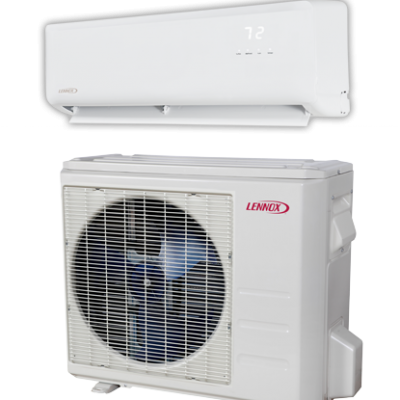
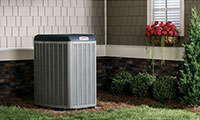
Lennox MLA Cold Climate Mini-split Ductless System Heat Pump
-
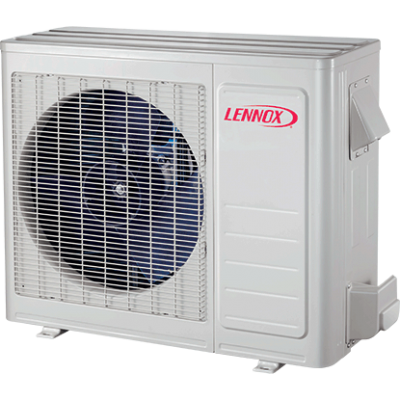
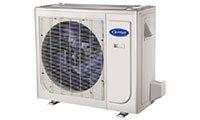
Lennox MPA Mini-Split Heat Pump Ductless Systems
-
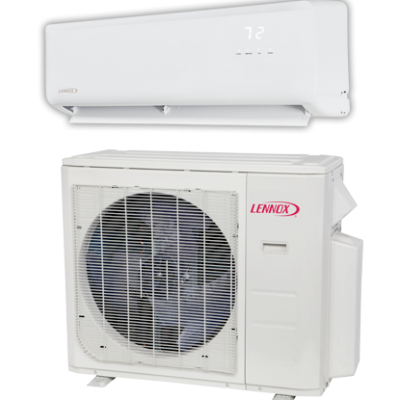
Lennox MPB Mini-Split Ductless Systems Heat Pump
Lennox Mini-Split Heat Pumps for Ductless Heating and Cooling
Lennox mini-split heat pumps are inverter-driven ductless systems that provide heating and cooling without requiring conventional whole-home ductwork. The current category includes the MLA cold-climate system, the MPA mini-split heat pump, and the MPB high-efficiency mini-split heat pump, giving homeowners different choices for winter performance, efficiency, zoning, and installed cost.
For Toronto and GTA homes, the most important decision is how the system will be used. A room that mainly needs supplemental heating and cooling has different requirements from a space that depends on its mini-split through severe winter conditions. Low-temperature capacity, efficiency, zone count, room load, indoor-unit placement, electrical requirements, and installation layout should all be compared before selecting a model.
Compare Lennox MLA, MPA and MPB Mini-Split Heat Pumps
The three systems share variable-capacity inverter technology but are not equivalent. MLA places the greatest emphasis on cold-climate operation, MPB offers the highest maximum seasonal efficiency in the category, and MPA provides another efficient ductless option for single-zone and multi-zone applications.
Lennox MLA Cold-Climate Mini-Split Heat Pump
The MLA is the cold-climate option in this category. It uses variable-capacity inverter operation, reaches up to 24 SEER and 11 HSPF, maintains 100% heating capacity at approximately -18°C, and can continue operating at outdoor temperatures down to approximately -30°C.
That performance makes MLA particularly relevant when a Toronto homeowner wants the mini-split to provide substantial winter heating rather than serving mainly as an air conditioner with shoulder-season heat. The lowest operating temperature should still be evaluated together with the home's calculated heat loss.
MLA for Toronto Winter Heating
Cold-climate performance becomes important when the mini-split is expected to carry a room through below-freezing conditions. MLA's ability to maintain full capacity around -18°C gives it a significant advantage over systems whose heating output declines more sharply as outdoor temperature falls.
The model still needs to be correctly sized. A cold-climate heat pump with excellent low-temperature performance can remain undersized if the room has large windows, high ceilings, weak insulation, substantial air leakage, or unusually high exterior exposure.
Choosing MLA From Floor Area Alone
A poorly insulated addition and an interior bedroom can have similar floor areas but completely different winter heat losses. Selecting the same mini-split capacity for both can leave the addition short of heat during the coldest Toronto weather even when the equipment itself is designed for cold climates.
Lennox MPB High-Efficiency Mini-Split Heat Pump
The MPB reaches up to 24.5 SEER and 11.5 HSPF, giving it the highest maximum seasonal efficiency ratings among the three mini-split systems in this category. Variable-capacity operation allows output to adjust as indoor and outdoor conditions change.
MPB is especially relevant when long operating hours make seasonal efficiency an important purchase consideration. Higher efficiency alone does not automatically make it preferable to MLA, however, if low-temperature heating capacity is the more important requirement for the home.
Lennox MPA Mini-Split Heat Pump
The MPA offers up to 23.5 SEER and 10.5 HSPF with variable-capacity heating and cooling. It is designed for spaces where installing or extending conventional ductwork is impractical and can support configurations ranging from a dedicated comfort zone to multiple indoor zones.
Compared with MLA, MPA places less emphasis on extreme cold-climate performance. Compared with MPB, its maximum seasonal efficiency is somewhat lower. Its value depends on the required capacity, zoning arrangement, equipment availability, and total installed project rather than one specification alone.
MLA vs MPA vs MPB: Which One Should You Choose?
The correct model depends on what problem the ductless system needs to solve. Efficiency, cold-weather capacity, zoning, and operating pattern should be prioritized differently depending on the home.
Primary Winter Heating
Start with MLA when strong low-temperature output is essential and the mini-split will carry a significant portion of the Toronto winter heating load.
Maximum Seasonal Efficiency
Consider MPB when high SEER and HSPF ratings are a priority and the system's actual heating performance matches the application.
Flexible Ductless Upgrade
Consider MPA where efficient inverter heating and cooling and flexible zoning meet the home's requirements without needing MLA-level cold-climate capability.
Addition or Sunroom
All three can serve ductless additions, but the winter heat loss of the new space should determine whether cold-climate performance needs to take priority.
Several Comfort Zones
Compare allowable indoor-zone configurations and simultaneous capacity before choosing a multi-zone arrangement solely to reduce the number of outdoor units.
Replacement Project
Existing refrigerant piping, indoor equipment, controls, wiring, and electrical service should be checked before choosing a replacement model.
Single-Zone vs Multi-Zone Lennox Mini-Splits
A single-zone system dedicates one outdoor heat pump to one conditioned area, while a multi-zone arrangement uses one outdoor system to serve several indoor zones. Both approaches can work well, but their capacity behaviour and installation requirements differ.
Lennox Mini-Split Efficiency vs Cold-Climate Performance
MPB reaches the highest maximum seasonal efficiency in this category, while MLA offers the stronger clearly defined cold-climate capability. Those specifications measure different aspects of performance and should not be treated as interchangeable.
Seasonal efficiency matters across many hours of operation. Low-temperature capacity matters during the periods when the home's heating demand is greatest. For a Toronto home relying heavily on the mini-split during winter, maintaining required heating output can be more important than gaining a small difference in maximum seasonal efficiency.
Choosing the Right Mini-Split Capacity
Lennox mini-split sizing should start with room-by-room heating and cooling calculations. Floor area can provide context, but it does not account for windows, insulation, air leakage, ceiling height, orientation, solar exposure, exterior walls, occupancy, or the intended winter role of the system.
Variable-capacity technology gives these systems room to adjust as loads change, but it does not eliminate the consequences of poor sizing. Oversizing can limit useful modulation, while undersizing can leave the system operating near maximum output without meeting peak demand.
Lennox Mini-Splits for Older Toronto Homes and Additions
MLA, MPA, and MPB can be practical where extending existing ductwork would require significant renovation. Common applications include additions, sunrooms, home offices, finished attics, upper floors, basements, and individual rooms that remain uncomfortable with the existing central system.
A mini-split should not automatically replace central HVAC where properly sized and balanced ducts already serve the entire home. Its strongest advantage comes from solving a specific zoning, ductwork, or room-comfort problem.
Lennox Mini-Split vs Central Heat Pump
A mini-split conditions selected zones directly without depending on a central duct network. A central heat pump uses an air handler or furnace and existing ductwork to distribute heating and cooling throughout the home.
Ductless equipment generally makes more sense where there are no ducts or where only selected rooms need independent control. A central heat pump can be more practical for a full-home replacement when good ductwork already reaches the spaces being conditioned.
Lennox Mini-Split Installation
Installation should include load-based sizing, indoor and outdoor unit placement, refrigerant piping, condensate drainage, electrical service, communication wiring, pressure testing, evacuation, system setup, and commissioning. The apparent simplicity of a ductless system does not make correct installation less important.
A short refrigerant route and convenient condenser location can reduce project complexity, but airflow and service access should not be sacrificed solely to shorten piping. Indoor and outdoor locations need to work as one complete system.
Outdoor Unit Placement for Toronto Winters
Cold-weather operation requires enough outdoor-unit clearance for snow, ice, airflow, and defrost drainage. A cold-climate system such as MLA can still be compromised if the condenser is installed where snow accumulation blocks the coil or roof runoff repeatedly freezes around the base.
Outdoor-unit stands or suitable wall mounting can provide additional clearance, but the final location should also consider vibration, service access, property layout, refrigerant routing, and exposure to wind or falling ice.
Lennox Mini-Split Replacement
Replacing an older MLA, MPA, MPB, or another ductless system requires more than selecting the same nominal BTU capacity. The existing indoor unit, refrigerant type, pipe dimensions, wiring, controls, condensate system, voltage, and approved equipment pairing all need to be checked.
A replacement project is also the right time to reconsider the original design. If the existing system struggled with winter heating, repeatedly cycled in an oversized room, or no longer serves the home's zone requirements, repeating the same configuration can reproduce the original problem.
Reusing Existing Components Without Checking Compatibility
A new outdoor unit may have similar capacity to the old system but different refrigerant, controls, line-set, or indoor-unit requirements. Assuming everything can remain in place can turn a simple replacement into an unexpected system redesign.
Lennox Mini-Split Heat Pump Installation Cost
The installed cost of an MLA, MPA, or MPB system depends on more than the equipment model. Capacity, number of zones, electrical requirements, line-set length, wall construction, condensate drainage, outdoor mounting, access, winter installation requirements, and replacement work can all materially affect the project.
A single-zone high-wall installation generally has a different cost structure from a multi-zone project with several indoor units and long refrigerant routes. Comparing complete installed scope provides a more useful decision than comparing equipment prices by themselves.
What Changes the Installation Cost?
The following factors should be identified before quotations are compared. They can explain substantial price differences even when the proposed systems have similar nominal capacities.
- MLA, MPA, or MPB system selection
- Required heating and cooling capacity
- Single-zone or multi-zone configuration
- Number of indoor units
- Cold-climate heating requirements
- Refrigerant-line length and routing
- Condensate drainage requirements
- Electrical circuit or panel upgrades
- Indoor-unit mounting conditions
- Outdoor-unit stand or mounting bracket
- Snow and defrost-water clearance
- Wall and ceiling access
- Removal of existing ductless equipment
- Replacement of incompatible piping, wiring, or controls
Choose the Right Lennox Mini-Split Heat Pump
The final choice between MLA, MPA, and MPB should come from the home's actual heating and cooling requirements rather than choosing whichever model has the highest individual specification. Use these checks before finalizing the system.
Lennox Mini-Split Selection Checklist
- Choose MLA when strong cold-climate heating is a primary requirement.
- Consider MPB when maximum seasonal efficiency is a major selection priority.
- Consider MPA for efficient variable-capacity ductless heating and cooling where its performance and zoning options fit the project.
- Calculate room-by-room heating and cooling loads before choosing capacity.
- Determine whether the system will provide primary or supplemental winter heating.
- Compare available low-temperature heating capacity, not operating temperature alone.
- Decide whether a single-zone or multi-zone configuration better matches the home.
- Plan indoor-unit placement around effective airflow rather than appearance alone.
- Plan refrigerant piping and condensate drainage before confirming unit locations.
- Verify electrical panel capacity and circuit requirements before installation.
- Provide sufficient outdoor clearance for Toronto snow, ice, and defrost drainage.
- Inspect existing piping, wiring, controls, and indoor equipment before replacement.
- Compare complete installed cost rather than equipment price alone.
Choose a Lennox Mini-Split Heat Pump for Toronto and the GTA
The Lennox mini-split heat pump category offers three distinct approaches to ductless comfort. MLA prioritizes cold-climate operation, MPB reaches the highest maximum seasonal efficiency among the listed systems, and MPA provides another flexible variable-capacity option for residential heating and cooling.
For Toronto and GTA homes, the best system should match the room load, winter heating expectations, number of zones, efficiency goals, installation layout, electrical capacity, and replacement conditions. Model selection matters, but correct sizing and installation determine whether those specifications translate into dependable year-round comfort.
FREE In-Home Estimate