

Corner Left
Showing all 2 results
-
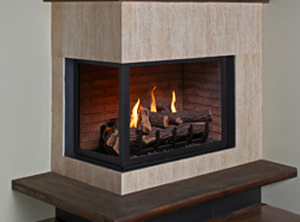
Montigo H Series – Traditional, Logs Fireplace
-
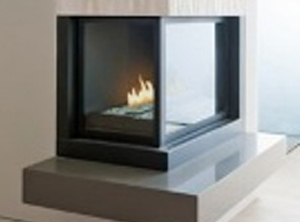
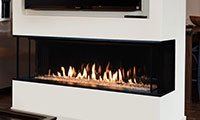
Montigo HL Series – Traditional, Glass Stones Fireplace
Corner Left Fireplaces for Toronto and GTA Homes
Corner Left fireplaces are two-sided fireplace systems with the main viewing area at the front and an additional glass view on the left side. They are used when a fireplace needs to sit at the end of a wall, define a room edge, or create a wider flame view without requiring a full see through or peninsula layout.
When a Corner Left Fireplace Is the Right Choice
This category works best when the room layout naturally supports a left-side viewing angle. The key decision is whether the fireplace will improve visibility and flow from the left side, or whether a single sided, right corner, or peninsula configuration would fit the space more effectively.
Left-Side Room Visibility
A Corner Left fireplace works well when people enter, sit, or move through the room from the left side. If the main activity area is on the right, the extra glass may not deliver the intended visual benefit.
End-of-Wall Placement
This layout can make the end of a feature wall feel open instead of boxed in. Poor placement can make furniture arrangement difficult or leave the side glass hidden from the main seating area.
Modern Feature Wall Design
The two-sided view can add depth to a media wall, basement feature, or open-concept living area. The trade-off is that framing, clearances, and finishing must be planned around both viewing sides.
Corner Left vs Other Fireplace Configurations
The correct fireplace configuration depends on sightlines, room flow, wall depth, and how the fireplace will be viewed day to day. Comparing the main layout options helps prevent choosing a design that looks appealing but does not match the way the room is used.
Installation Planning Before Product Selection
Corner Left fireplace installation should begin with the room layout, not the model size alone. The installer needs to review wall depth, left-side viewing angle, heat clearances, service access, finishing materials, and how the fireplace will connect with nearby furniture, windows, cabinetry, or a TV wall.
In Toronto and the GTA, winter use also matters. A fireplace selected only for its corner appearance may disappoint if the heat output, room scale, or installation conditions do not match how the space is used during colder months.
The Orientation Mistake
If a Corner Left fireplace is installed where the room actually needs right-side visibility, the side glass may face a wall, hallway, or low-use area. The result is a more complex installation without the design benefit the homeowner expected.
Cost Factors That Affect the Final Project
Corner Left fireplace cost is shaped by more than the fireplace unit. Final pricing can change depending on wall construction, fuel type, venting path, framing, glass size, finishing materials, controls, service access, and whether the installation is part of a renovation or new build.
A two-sided corner design may cost more to finish than a single sided fireplace because both the front and left side need clean integration. If stone, tile, cabinetry, media wall elements, or custom surrounds are involved, those finishing choices can affect the budget as much as the fireplace selection itself.
Replacement and Retrofit Considerations
Replacing an older fireplace with a Corner Left model can improve visibility and design impact, but it is not always a direct replacement. Existing wall structure, fireplace opening, clearances, venting path, and access requirements determine whether the upgrade is practical.
If the current fireplace is front-facing only, converting to a corner layout may require reframing and redesigning the surrounding wall. The decision should compare the value of the added left-side view against the construction work needed to support it.
Performance and Room Layout Considerations
A Corner Left fireplace should be selected around both heating needs and sightlines. The front view usually serves the main seating area, while the left glass should support a secondary view from an adjacent zone, walkway, or open-concept area.
Heat output should match the room size, insulation, ceiling height, and regular use. Too little output can make the fireplace feel decorative only, while too much output can limit seating comfort and furniture placement near the glass.
How to Choose the Right Corner Left Fireplace
The safest selection process starts with confirming that the left-side view genuinely improves the room. Use this checklist before choosing the final model, size, finish, or installation plan.
Corner Left Fireplace Selection Checklist
- Confirm that the left-side glass faces a visible and useful part of the room.
- Compare Corner Left, Corner Right, single sided, and peninsula layouts before selecting a model.
- Measure wall width, wall depth, ceiling height, and clearances on both viewing sides.
- Plan furniture, TV placement, cabinetry, mantels, stone, tile, and trim around heat exposure.
- Review venting, fuel access, electrical access, and service access before installation begins.
- Choose the fireplace size based on room scale and sightlines, not only the opening width.
Local Suitability for Canada, Toronto, and the GTA
Corner Left fireplaces are well suited to GTA homes with open-concept rooms, finished basements, modern feature walls, and layouts where the fireplace needs to be seen from more than one angle. They can add visual depth without the full complexity of a peninsula or four-sided design.
The main limitation is orientation. If the fireplace is not matched to the room’s traffic flow, seating layout, wall structure, and heating expectations, the extra glass can become more of a design complication than a practical benefit.
Plan Your Corner Left Fireplace Installation
A Corner Left fireplace can create a clean, modern focal point when the orientation, heat output, wall design, and installation conditions are aligned from the beginning. Before buying, review room layout, left-side visibility, wall depth, clearances, venting, finishing materials, and replacement requirements with a qualified fireplace installation team.
FREE In-Home Estimate