
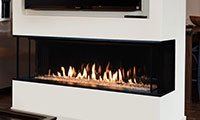


Direct Vent Gas Fireplaces
Showing 10–18 of 61 results
-
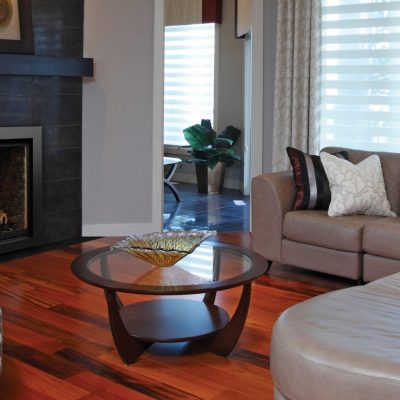
Kingsman ZCV39/42 Direct Vent Fireplace
-
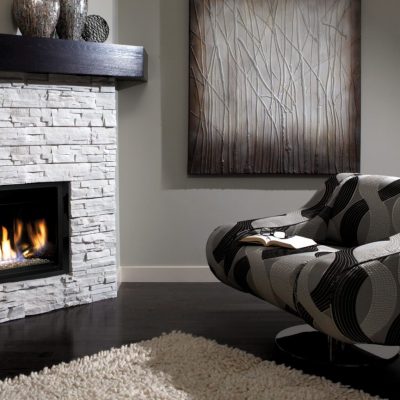
Kingsman ZCVRB3622 Direct Vent Fireplace
-
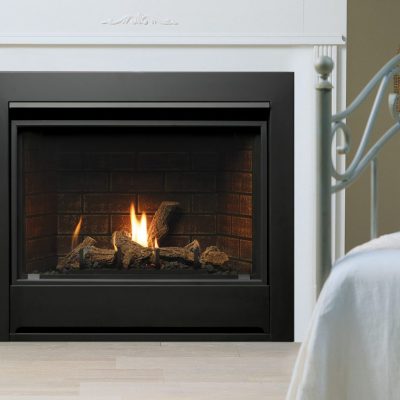
Kingsman ZDV3318/ZCV3622 Direct Vent Fireplace
-
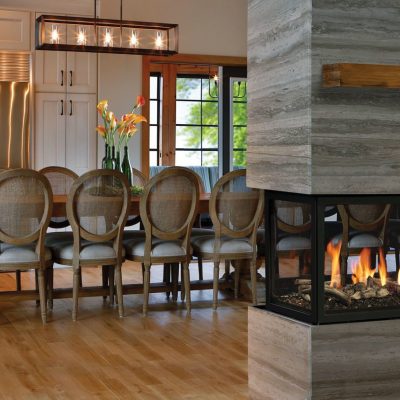
Marquis Atrium Direct Vent Gas Fireplace
-
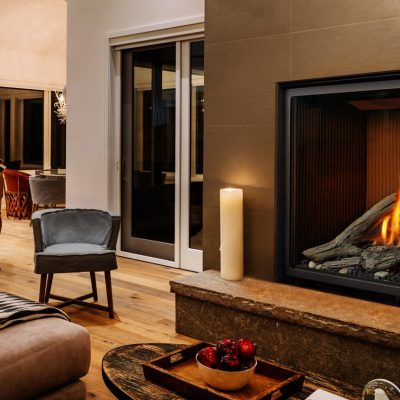
Marquis Bentley 48 Direct Vent Gas Fireplace
-
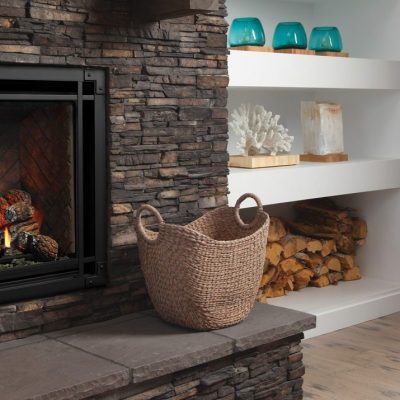
Marquis Bentley Direct Vent Gas Fireplace
-
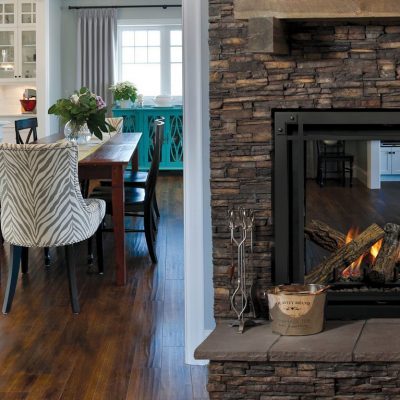
Marquis Bentley ST Direct Vent Gas Fireplace
-
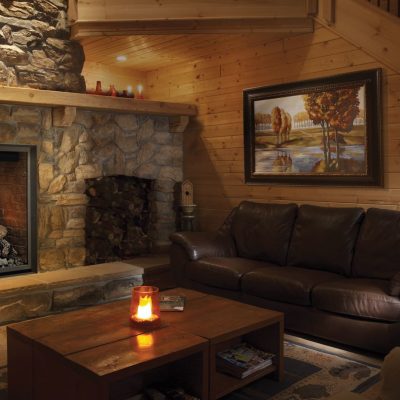
Marquis Cove Direct Vent Gas Fireplace
-
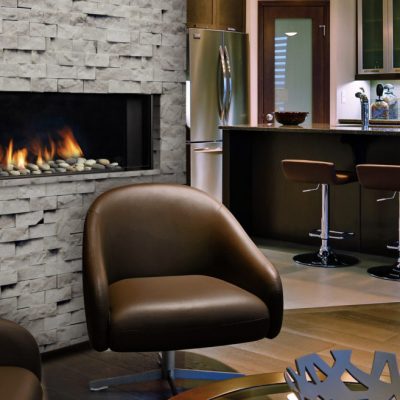
Marquis Enclave Direct Vent Bay Peninsula Gas Fireplace
Direct Vent Gas Fireplaces for Toronto and GTA Homes
Direct vent gas fireplaces are sealed combustion fireplaces that draw outdoor air for burning and exhaust combustion gases directly outside. They are used in homes where homeowners want real flame, controlled heat, cleaner indoor air handling, and flexible installation without relying on a traditional masonry chimney.
Where Direct Vent Gas Fireplaces Make the Most Sense
Direct vent gas fireplaces are best suited for rooms that need reliable supplemental heat, strong flame presentation, and safer venting performance. The main decision is whether the fireplace needs to function as a true heating feature, a design focal point, or both.
Living Rooms and Family Rooms
A direct vent system can provide steady heat and strong visual impact in high-use spaces, making it a better choice than decorative-only fireplaces where comfort matters.
Basements and Renovated Spaces
Flexible venting allows installation in areas where a conventional chimney is not practical, but placement must be planned around exterior wall access and clearances.
Bedrooms and Smaller Zones
Sealed combustion helps protect indoor air quality, but heat output must be selected carefully to avoid overheating compact rooms.
Direct Vent Gas Fireplace vs Other Fireplace Options
Fireplace selection should compare heat performance, installation requirements, venting method, and long-term usability. Choosing the wrong fireplace type can lead to limited heat, higher construction costs, or a system that does not match how the room is used.
Installation Details That Affect Performance
Direct vent gas fireplace installation depends on venting path, gas supply, framing, clearances, wall location, heat output, and finishing materials. A fireplace that fits visually may still be the wrong choice if the vent route, room size, or installation location creates performance problems.
Incorrect Vent Planning Can Delay Installation
If the vent route is not reviewed before the fireplace is selected, the project may require framing changes, exterior wall adjustments, or a different model. This can increase cost and delay completion after the homeowner has already chosen a design.
Performance Features Worth Comparing
Direct vent gas fireplaces vary by heat output, flame style, viewing area, control options, blower performance, and installation design. The right model should match the room size, comfort goal, and finished look instead of being chosen only by appearance.
- Match BTU output to the room size and heating purpose
- Compare linear, traditional, clean-face, and see-through designs
- Review blower options when heat circulation is a priority
- Confirm thermostat, remote, or smart control compatibility
- Check clearance requirements for mantels, framing, and finishes
- Evaluate flame adjustment if both ambiance and heat control matter
- Plan vent location before finalizing the fireplace wall design
Linear, Traditional, and See-Through Fireplace Choices
Design style affects more than appearance. Fireplace shape, glass size, burner layout, and viewing angle influence how the room feels, how heat is distributed, and how much construction is required.
Replacement Considerations for Older Gas Fireplaces
Replacing an older fireplace with a direct vent gas model can improve heat control, safety, and daily convenience, but the existing opening and venting conditions must be reviewed first. A direct replacement may not be possible if the old fireplace, wall structure, or vent location does not support the new system.
Direct Vent Gas Fireplace Selection Checklist
- Confirm whether the project is new installation or fireplace replacement
- Review wall location, vent route, and exterior termination options
- Choose heat output based on room size and comfort expectations
- Compare traditional, linear, clean-face, and see-through designs
- Check mantel, framing, flooring, and finish clearance requirements
- Confirm gas line capacity, control options, and service access before installation
Local Suitability for Toronto and GTA Homes
Direct vent gas fireplaces are well suited for Toronto and GTA homes because they provide controlled heat during cold Canadian weather while offering flexible placement in renovations, basements, additions, and main living areas. They are especially practical where homeowners want fireplace comfort without depending on an existing chimney.
Direct vent gas fireplace cost depends on fireplace size, design style, venting route, gas line work, framing requirements, finishing materials, control options, and installation complexity. A lower-priced fireplace may not deliver the best value if it requires costly venting changes or does not provide enough heat for the room.
Making the Right Direct Vent Fireplace Decision
The strongest choice is the fireplace that fits the room safely, vents correctly, delivers the right heat output, and matches the finished design. Professional planning helps prevent weak performance, clearance issues, poor flame visibility, and installation changes that add cost after the project begins.
FREE In-Home Estimate



Limited Time: March 3 – June 27, 2025