



Gas Stoves
Showing 1–9 of 17 results
-
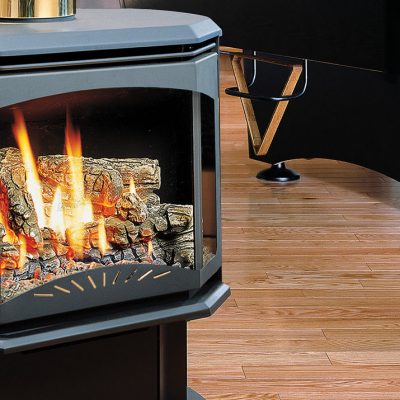
Marquis Sentinel Free Standing Direct Vent Gas Stove Fireplace
-
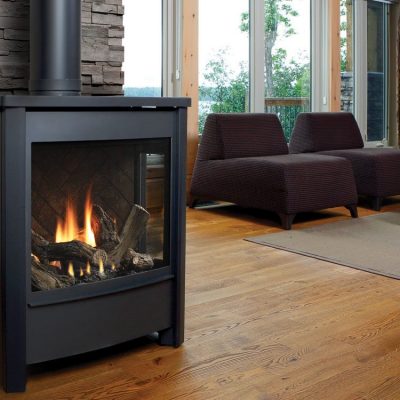
Marquis Vantage Free Standing Direct Vent Gas Stove Fireplace
-
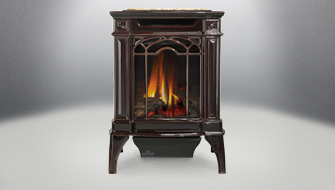
Napoleon Arlington™ Direct Vent Gas Stove Fireplace
-
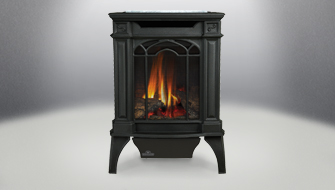
Napoleon Arlington™ VF Direct Vent Gas Stove Fireplace
-
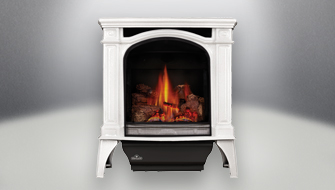
Napoleon Bayfield™ Direct Vent Gas Stove Fireplace
-
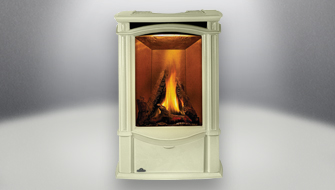
Napoleon Castlemore™ Direct Vent Gas Stove Fireplace
-
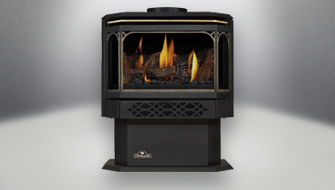
Napoleon Haliburton™ Direct Vent Gas Stove Fireplace
-
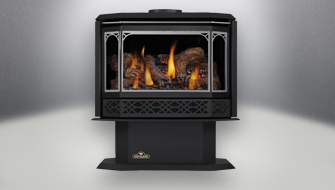
Napoleon Havelock™ Direct Vent Gas Stove Fireplace
-
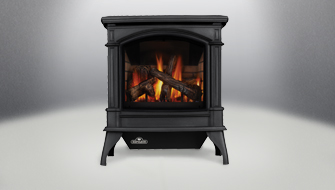
Napoleon Knightsbridge™ Direct Vent Gas Stove Fireplace
Gas Stoves for Toronto and GTA Homes
Gas stoves are freestanding heating appliances that use natural gas or propane to provide real flame, steady room heat, and a traditional stove-style appearance without the ash, wood storage, or fire-starting work of a wood-burning unit. They are often used in living rooms, basements, additions, and renovated spaces where homeowners want strong supplemental heat with flexible placement.
Choosing the Right Gas Stove Setup
The right gas stove depends on room size, heat expectations, venting options, fuel access, and where the unit will be placed. A model chosen only for appearance may overheat a smaller room, underperform in a larger space, or require installation changes that could have been avoided with proper planning.
Direct Vent Gas Stove
Best for sealed combustion, reliable heat, and flexible placement where proper venting can be routed through an exterior wall or roof.
Natural Gas Stove
A strong choice for permanent installation where gas service is already available, reducing the need for fuel storage or frequent tank changes.
Propane Gas Stove
Useful for properties without natural gas access, but fuel storage, refill planning, and supply location must be considered before installation.
Gas Stoves vs Other Fireplace Heating Options
Gas stoves are often compared with fireplaces, inserts, electric units, and wood stoves because each option creates a different balance of heat, construction work, maintenance, and visual style. Understanding the trade-offs helps homeowners avoid choosing a system that does not match the room or long-term use.
Installation Details That Affect Safety and Heat Performance
Gas stove installation requires more than placing the unit in the room. Venting route, gas line capacity, wall clearance, floor protection, service access, and heat output all affect whether the stove performs safely and comfortably.
Wrong Placement Can Create Comfort Problems
A gas stove installed too close to seating areas can make one part of the room uncomfortably warm while leaving distant areas cold. Poor placement can also create clearance conflicts with walls, flooring, furniture, and nearby finishes.
Performance Factors to Compare Before Buying
Gas stove performance should be matched to the room’s heating needs, not just the size or visual style of the appliance. In Toronto and GTA homes, the best choice depends on insulation, ceiling height, basement conditions, open-concept layouts, and how often the stove will be used during colder months.
- Match BTU output to the room size and heating goal
- Confirm whether the stove is intended for ambiance, supplemental heat, or stronger zone heating
- Review venting requirements before choosing the final location
- Compare natural gas and propane options based on fuel access
- Check required clearances for walls, flooring, trim, and furniture
- Consider blower options if heat distribution across the room matters
- Review thermostat, remote control, and flame adjustment features for daily use
Gas Stove Replacement Considerations
Replacing an older gas, wood, or pellet stove should begin with an assessment of the existing venting, floor protection, gas supply, and clearance conditions. A replacement may seem straightforward, but outdated venting or improper spacing can increase installation complexity.
Gas Stove Selection Checklist
- Confirm whether natural gas or propane is the better fuel option
- Measure the room and select heat output based on actual comfort needs
- Review venting route before choosing the stove location
- Check clearance requirements around walls, furniture, flooring, and trim
- Compare traditional, modern, compact, and larger stove designs
- Plan installation around gas line access, service clearance, and long-term maintenance
Local Suitability for Toronto and GTA Homes
Gas stoves are well suited for homes that need dependable room-by-room comfort during cold Canadian weather. They are especially practical for basements, additions, family rooms, older homes, cottages, and spaces where a built-in fireplace would require too much construction.
Gas stove cost depends on model size, fuel type, venting route, gas line requirements, floor protection, installation complexity, and control options. The lowest-priced stove is not always the best value if it lacks the heat output, venting compatibility, or clearance flexibility needed for the room.
Making the Right Gas Stove Decision
The strongest choice is the gas stove that fits the space safely, provides the right heat output, and supports how the room will be used day to day. Proper system selection and installation planning help prevent weak heating, overheating, clearance issues, and unexpected installation changes.
FREE In-Home Estimate