

Vent Free Gas Log Sets
Showing all 6 results
-
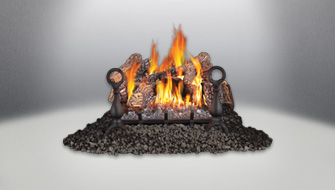
Napoleon Fiberglow VF18 Vent Free Gas Log Set Fireplace
-
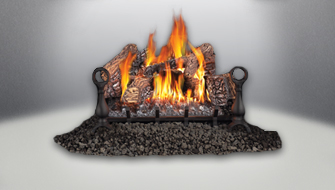
Napoleon Fiberglow VF24 Vent Free Gas Log Set Fireplace
-
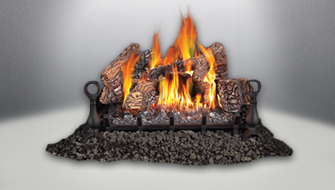
Napoleon Fiberglow VF30 Vent Free Gas Log Set Fireplace
-
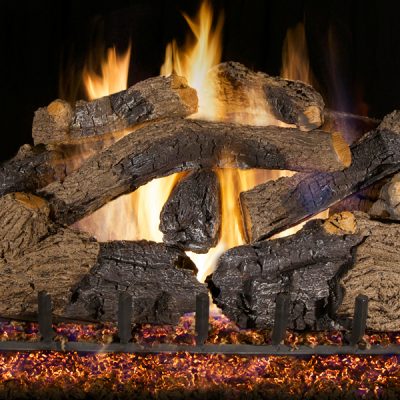
Real Fyre Charred Grizzly Oak – G4 Fireplace
-
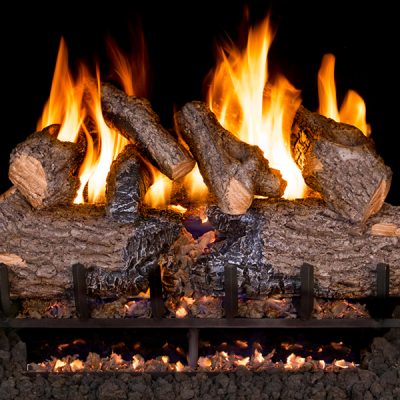
Real Fyre Charred Oak – G31 Fireplace
-
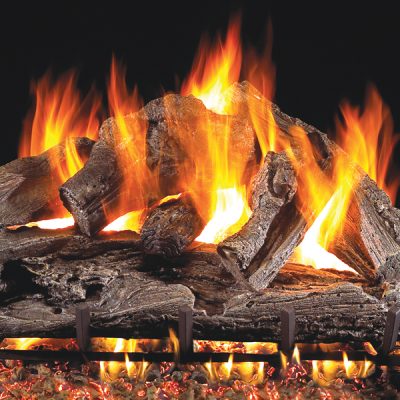
Real Fyre Rugged Oak – G4 Fireplace
Vent Free Gas Log Sets for Toronto and GTA Homes
Vent free gas log sets are gas-burning fireplace systems designed to operate without a chimney or dedicated vent, using the room itself for combustion air and releasing heat directly into the living space. They are mainly selected when homeowners want strong heat output, simple fireplace conversion, and realistic flame appearance where traditional venting is limited or unavailable.
When Vent Free Gas Logs Make Sense
Vent free gas logs are best suited for spaces where heat efficiency and installation flexibility matter more than the open-flame venting style of a traditional fireplace. The key decision is whether the room can safely support vent free operation, proper air volume, and the heat output of the selected log set.
High Heat Efficiency
Vent free systems keep more usable heat in the room because warm air is not sent up a chimney, making them stronger for supplemental heating than many open vented log sets.
Flexible Placement
Because no chimney is required, vent free logs can work in certain fireplace setups where traditional venting is not practical, but room size and code suitability must be confirmed first.
Realistic Fireplace Look
Modern log designs can provide a convincing fire appearance, but flame pattern, burner design, and log placement directly affect the final look and performance.
Vent Free Gas Logs vs Other Fireplace Options
Homeowners often compare vent free logs with vented logs, gas inserts, electric fireplaces, and wood-burning fireplaces. The best choice depends on whether the priority is heat efficiency, flame realism, installation simplicity, or a fully sealed heating system.
Installation Factors That Must Be Reviewed First
Vent free gas log installation depends on room size, fireplace dimensions, fuel type, burner design, clearance requirements, oxygen safety controls, and local suitability. A log set should not be selected only by width or appearance because the room and fireplace must support safe and comfortable operation.
Wrong Room Fit Can Create Comfort and Safety Issues
A vent free log set installed in a room that is too small or poorly suited for the heat output can create overheating, moisture concerns, odor complaints, or operation problems. Confirming room suitability before purchase helps prevent an installation that cannot be used comfortably.
Performance Details to Compare Before Buying
Vent free gas logs should be compared by heat output, log size, burner system, ignition type, fuel source, safety controls, and flame appearance. In Toronto and GTA homes, the correct choice should also consider winter use, room ventilation, basement conditions, and whether the fireplace is expected to provide ambiance or meaningful supplemental heat.
- Match BTU output to the room size and comfort goal
- Confirm whether the fireplace opening can fit the selected log and burner size
- Review oxygen safety controls and ignition features before installation
- Compare natural gas and propane options based on available fuel supply
- Check clearance requirements for the firebox, mantel, surround, and nearby finishes
- Choose burner style carefully because it affects flame pattern, heat distribution, and visual realism
- Compare vent free logs with a gas insert if sealed combustion is preferred
Natural Gas vs Propane Vent Free Log Sets
Fuel choice affects installation planning, operating convenience, and long-term usability. Natural gas is often preferred where a permanent gas line is available, while propane may be considered where natural gas access is limited.
Replacement and Fireplace Conversion Considerations
Replacing wood-burning use or an older gas setup with vent free logs can improve convenience and heat delivery, but the existing fireplace must be reviewed carefully. Firebox size, gas access, clearances, room conditions, and local installation rules all affect whether the conversion is appropriate.
Vent Free Gas Log Selection Checklist
- Confirm that vent free operation is suitable for the room and local installation requirements
- Measure fireplace width, depth, and height before selecting log size
- Match BTU output to the room size and expected heating use
- Choose natural gas or propane based on available fuel supply
- Compare burner style, log material, flame pattern, ignition type, and safety controls
- Consider a direct vent fireplace or gas insert if sealed combustion is preferred
Local Suitability for Toronto and GTA Homes
Vent free gas log sets can be practical for certain Toronto and GTA fireplace upgrades where venting options are limited and homeowners want strong supplemental heat. They are most relevant for spaces that meet room size, airflow, safety, and installation requirements after a proper assessment.
Vent free gas log set cost depends on log size, burner system, fuel type, ignition controls, fireplace condition, gas line work, and installation complexity. A lower-cost set may not be the best value if it produces too much heat for the room, lacks the preferred control features, or does not meet the installation requirements for the home.
Making the Right Vent Free Gas Log Decision
The best vent free gas log set is the one that fits the fireplace safely, matches the room’s heating needs, and meets the homeowner’s expectations for flame appearance and daily use. Proper system selection helps prevent poor fit, excess heat, weak flame presentation, odor concerns, and installation changes after the project begins.
FREE In-Home Estimate