

Vented Gas Log Sets
Showing 28–36 of 54 results
-
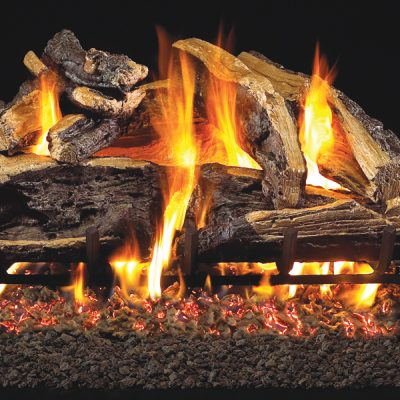
Real Fyre Charred Rugged Split Oak – G4 Fireplace
-
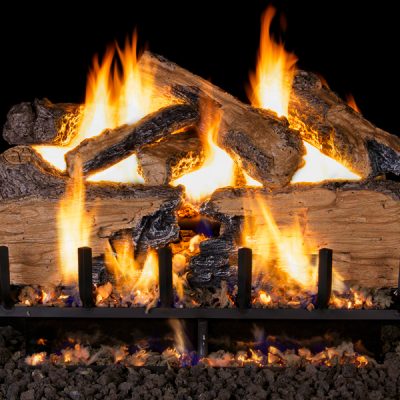
Real Fyre Charred Split – G31 Fireplace
-
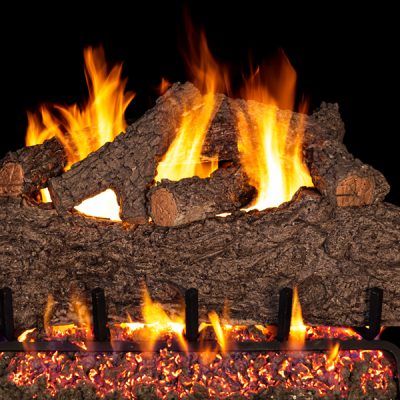
Real Fyre Chestnut Oak – G4 Fireplace
-
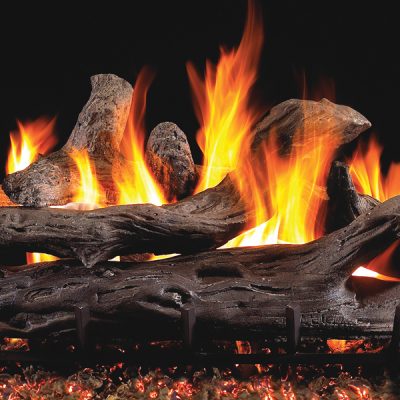
Real Fyre Coastal Driftwood – G4 Fireplace
-
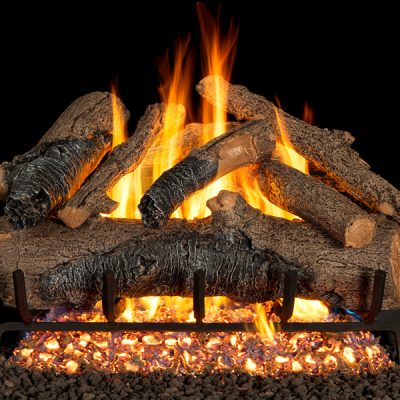
Real Fyre Colonial Oak – G52 Fireplace
-
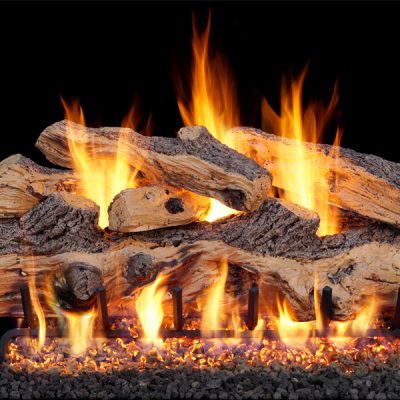
Real Fyre Gnarled Split Oak – G4 Fireplace
-
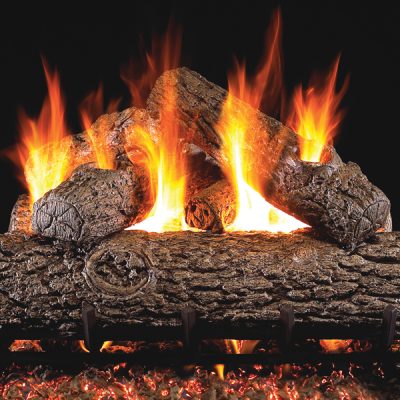
Real Fyre Golden Oak – G4 Fireplace
-
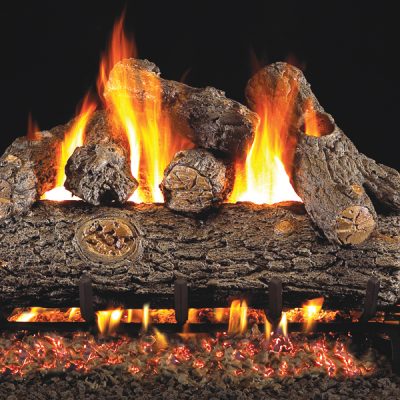
Real Fyre Golden Oak Designer Plus – G4 Fireplace
-
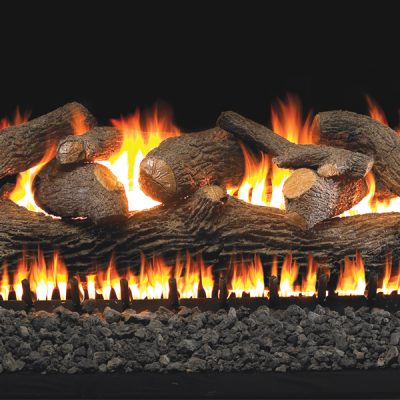
Real Fyre Mammoth Pine – EC Fireplace
Vented Gas Log Sets for Toronto and GTA Homes
Vented gas log sets are decorative gas-burning log systems installed inside an existing fireplace opening and vented through a working chimney or flue. They are designed for homeowners who want the appearance of a traditional open fire with easier ignition, cleaner operation, and less maintenance than burning wood.
When Vented Gas Logs Are the Right Fireplace Upgrade
Vented gas logs make the most sense when the existing fireplace structure is usable and the main goal is a realistic flame experience. They are not the same as a sealed gas insert, so the decision should consider whether ambiance, convenience, or stronger heating performance is the priority.
Existing Fireplace Opening
Vented gas logs are best suited for homes with a compatible fireplace and working chimney, reducing the need for a full fireplace replacement.
Realistic Flame Appearance
Open-flame design creates a more traditional fire look, but heat efficiency is usually lower than sealed gas fireplace systems.
Lower Maintenance Use
Gas operation removes wood storage, ash cleanup, and manual fire-starting, making the fireplace easier to use during colder months.
Vented Gas Log Sets vs Other Fireplace Options
Homeowners often compare vented gas logs with inserts, vent-free logs, electric fireplaces, and wood-burning fireplaces. The right choice depends on whether the fireplace is expected to provide strong room heat, visual ambiance, easier operation, or a full system upgrade.
Installation Factors That Affect Safety and Performance
Vented gas log installation depends on fireplace size, chimney condition, gas line access, burner type, log size, damper setup, clearances, and ventilation. A log set that fits visually may still be unsuitable if the chimney, firebox, or gas supply cannot support safe operation.
Wrong Log Size Can Create Poor Results
A log set that is too large for the fireplace opening can create clearance issues, poor flame pattern, and unsafe operation. A set that is too small may look underwhelming and fail to create the fireplace presence expected from the upgrade.
Performance Details to Compare Before Buying
Vented gas logs should be selected by fireplace compatibility, flame appearance, burner configuration, fuel type, and control preference. In Toronto and GTA homes, the right choice should also account for cold-weather use, chimney condition, and whether the homeowner wants ambiance or practical supplemental heat.
- Measure fireplace width, depth, and height before choosing log size
- Confirm that the chimney or flue is suitable for vented operation
- Compare natural gas and propane options based on available fuel supply
- Review burner design because it affects flame height, ember effect, and visual realism
- Choose control type carefully, including match-light, manual control, remote control, or electronic ignition
- Consider refractory ceramic logs for stronger long-term heat resistance
- Compare vented logs with gas inserts if heating efficiency is a major priority
Natural Gas vs Propane Vented Gas Log Sets
Fuel choice affects installation requirements, operating convenience, and long-term usability. Natural gas is usually preferred where a permanent gas line is available, while propane may be considered for homes without natural gas access.
Replacement and Fireplace Conversion Considerations
Replacing wood-burning use with a vented gas log set can make the fireplace easier to operate, but the existing fireplace must be inspected before installation. Chimney condition, firebox dimensions, damper position, gas access, and burner clearance all affect whether the conversion is straightforward.
Vented Gas Log Set Selection Checklist
- Confirm the fireplace is compatible with vented gas log installation
- Measure the firebox before selecting log width and burner size
- Review chimney, flue, and damper conditions before installation
- Choose natural gas or propane based on available fuel supply
- Compare burner style, log material, flame pattern, and control options
- Consider a gas insert instead if high heating efficiency is the main goal
Local Suitability for Toronto and GTA Homes
Vented gas log sets are well suited for many Toronto and GTA homes with existing masonry fireplaces where homeowners want to preserve the open-hearth look while improving convenience. They are especially practical for living rooms, family rooms, older homes, and fireplace remodels where the chimney is still usable.
Vented gas log set cost depends on log size, burner system, fuel type, ignition controls, gas line work, chimney condition, and installation complexity. A lower-cost set may not be the best value if it creates weak flame appearance, poor fit, limited control, or added modification work during installation.
Making the Right Vented Gas Log Decision
The best vented gas log set is the one that fits the existing fireplace safely, produces the desired flame appearance, and matches how the fireplace will be used. Proper selection helps prevent poor flame quality, clearance problems, weak visual impact, and installation changes after the project begins.
FREE In-Home Estimate