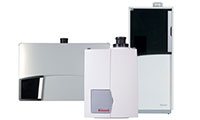

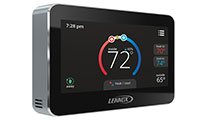
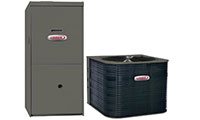

Modulating
Showing the single result
Modulating Gas Furnaces: Compare Heat Output Control
Modulating gas furnaces adjust burner output in small increments to follow a home's heating demand. They are worth considering when steady winter temperatures and longer, gentler heating cycles matter, provided the furnace, controls and ductwork are selected together.
Burner modulation and variable-speed airflow describe different functions. A furnace can have a variable-speed blower while still using a two-stage gas valve, so confirm the heating-stage specification of the exact model.
What does the heating stage change?
Use these distinctions to compare a proposed replacement. They explain operating behaviour rather than promising a particular reduction in your bills.
Single stage
The burner operates at one heating output when called. This is a simpler choice, but oversized equipment can produce short cycles and noticeable temperature swings.
Two stage
Low and high firing rates provide a middle option for comfort and cost. A variable-speed blower does not turn those two burner levels into true modulation.
Modulating
Incremental burner adjustment can follow changing demand more closely. The benefit depends on minimum output, compatible control and correct system setup.
Verify the model behind the category label
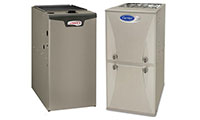
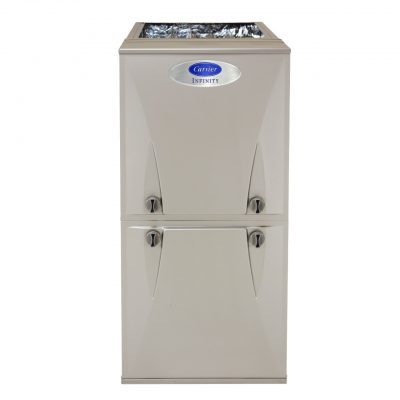
The Infinity 96 59TN6 currently listed in this category is a two-stage furnace, not a modulating furnace. If burner modulation is a requirement, request a specifically identified modulating model and compare its own documentation.
Do not use an AFUE rating to infer the number of heating stages. Efficiency, burner control and blower technology should be separate lines in the proposal so you can see what the additional investment buys.
Size for the home and assess the installation
For Toronto and GTA winters, selection should use a heat-loss assessment and the home's distribution system. A premium furnace cannot correct restrictive ducts, poor return airflow or major room-to-room imbalances by itself.
Replacement planning should include venting, combustion-air arrangements, condensate drainage, electrical requirements and the matched thermostat or communicating control. Ask for the installed scope and commissioning checks, not only an equipment price. Controls and duct changes can materially affect the total.
Compare proposals on the same basis
A clear quote identifies the functions you are purchasing and the work required to make them operate correctly. Resolve these points before choosing a furnace tier.
Modulating furnace comparison checklist
- Verify a modulating gas valve in the exact model specification.
- Compare minimum and maximum heating output.
- Keep blower speed separate from burner stages.
- Confirm heat-loss sizing and duct airflow.
- Identify the required control and wiring.
- Include venting, drainage and commissioning in the quote.
Select modulation for a defined comfort goal, then verify that the complete system supports it. A correctly sized two-stage furnace may remain a practical alternative when the added control is not needed.
FREE In-Home Estimate