

Furnaces
Showing 37–39 of 39 results
-
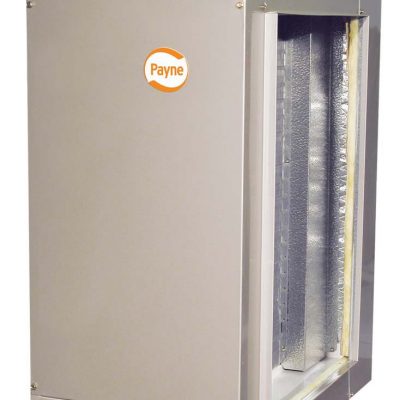
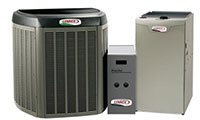
Payne CSPHP Furnace Coil Roadmap
-
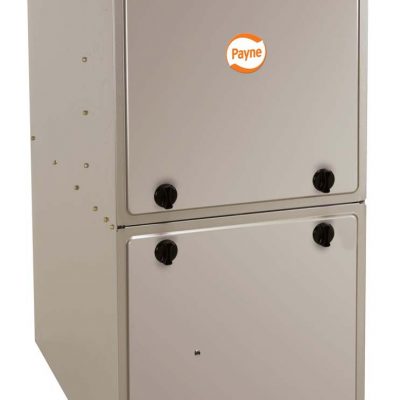
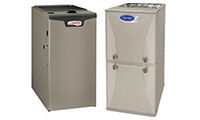
Payne PG95ESA Gas Furnace Roadmap
-
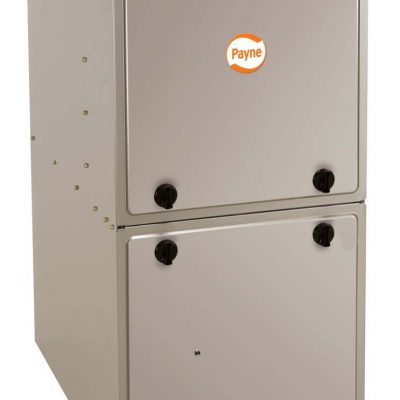
Payne PG96VTA Gas Furnace Roadmap
Furnaces for Toronto and GTA Homes
Furnaces are central forced-air heating systems that generate heat and distribute it through a home’s ductwork. This category includes single-stage, two-stage, and modulating models with different efficiency ratings, blower configurations, and control capabilities, allowing homeowners to select a system based on heating demand, comfort expectations, installation conditions, and budget.
Choose the Right Furnace Configuration
The most important furnace decision is not simply brand or capacity. Heating stages, blower performance, fuel type, efficiency, and compatibility with the home’s ductwork determine how evenly, quietly, and efficiently the system will operate.
Single-Stage Furnace
A single-stage furnace operates at full heating output whenever the thermostat calls for heat. It generally offers a lower initial cost, but it may produce wider temperature changes and more noticeable airflow sound than staged equipment.
Two-Stage Furnace
A two-stage furnace can run at lower output during moderate weather and increase capacity when demand rises. This supports longer cycles and steadier comfort, provided the furnace is not oversized.
Modulating Furnace
A modulating furnace adjusts heating output through a wider operating range to follow the home’s changing heat loss. It provides the most precise temperature control, but requires a higher investment and compatible system controls.
Compare Furnace Types and Performance
Each furnace configuration involves a different balance of upfront cost, comfort control, sound, efficiency, and system complexity. The strongest choice is the configuration that addresses the home’s actual heating needs without adding features that provide limited practical value.
High-Efficiency Furnace Options
High-efficiency furnaces recover more usable heat from the combustion process than older conventional models. This can reduce fuel waste during Toronto and GTA winters, especially when replacing aging equipment with a properly sized condensing furnace.
Efficiency ratings should not be considered in isolation. A high-rated furnace installed with incorrect airflow, oversized capacity, poor venting, or improper gas input may use more energy and provide less comfort than a correctly installed model with similar specifications.
Furnace Capacity and System Sizing
Furnace capacity should be selected through a heat-loss calculation that considers the home’s size, insulation, windows, air leakage, orientation, and local winter conditions. Matching the capacity of the old furnace can be inaccurate because the previous system may have been oversized or the home may have changed.
An undersized furnace may struggle during colder conditions, while an oversized furnace can satisfy the thermostat too quickly. Short operating cycles reduce temperature balance, increase airflow noise, and limit the benefits of two-stage or modulating performance.
When a Larger Furnace Performs Worse
A furnace with excessive capacity may heat the thermostat area quickly while distant rooms remain cooler. Repeated short cycles can increase temperature swings, reduce efficiency, and create unnecessary wear without improving winter comfort.
Gas, Electric, and Propane Furnace Selection
Natural gas furnaces are commonly selected where gas service and central ductwork are already available. Propane furnaces may be considered in properties without natural gas access, while electric furnaces avoid on-site combustion but can have different operating-cost implications.
The fuel decision should account for available utilities, electrical capacity, installation requirements, energy pricing, and long-term ownership plans. Choosing a fuel type only by equipment price can overlook significant operating and infrastructure costs.
Blower Motors and Airflow Control
The blower moves heated air through the home and also supports central cooling when an air conditioner or heat pump shares the duct system. Basic multi-speed motors provide predetermined airflow levels, while variable-speed blowers can make smaller adjustments as system demand changes.
Variable-speed airflow can support quieter operation, better filtration, and improved cooling humidity control. However, it cannot fully correct restrictive filters, undersized return ducts, blocked registers, or poorly designed supply branches.
Ductwork and Return-Air Requirements
A furnace must receive sufficient return air and move the required airflow through the supply ducts. Restricted airflow can increase static pressure, reduce heating performance, create noise, and place additional stress on the blower and heat exchanger.
Homes with weak airflow, loud vents, frequent filter problems, or rooms that remain colder than others should have the duct system assessed before replacement. Installing new equipment without addressing major duct issues can reproduce the same comfort problems.
Furnace Installation Requirements
Professional furnace installation may involve more than replacing the equipment cabinet. The project can require changes to gas piping, venting, condensate drainage, electrical connections, thermostat wiring, filtration, sheet metal, return-air transitions, and the indoor cooling coil.
Equipment dimensions and service access also matter. A furnace that meets the heating requirement may still require duct transitions or installation modifications, and these changes can affect performance, cost, and future maintenance access.
Furnace Replacement vs Repair
Replacement becomes more practical when an older furnace requires frequent repairs, has a deteriorating heat exchanger, operates unreliably, or no longer maintains consistent temperatures. A new system may also improve efficiency, blower performance, and compatibility with modern cooling equipment.
Repair can remain reasonable when the furnace is relatively young, the failure is isolated, and overall performance remains acceptable. The decision should compare repair cost, equipment age, warranty coverage, fuel use, comfort problems, and the likelihood of additional failures.
Furnace Cost and Installation Scope
Furnace cost depends on capacity, fuel type, efficiency, heating stages, blower design, equipment tier, installation access, venting, gas-line work, controls, filtration, and duct modifications. A basic equipment replacement and a complete HVAC system upgrade have different cost structures.
Proposals should be compared by total scope rather than furnace price alone. A lower quote may exclude permit requirements, venting changes, drainage work, thermostat upgrades, commissioning, disposal, or airflow corrections included in another proposal.
Furnace vs Heat Pump Systems
A furnace generates heat and serves heating only, while a heat pump transfers heat and can provide both heating and cooling. Furnaces can provide strong output during very cold conditions, while heat pumps can reduce reliance on combustion during milder weather.
A hybrid system combines both technologies and switches between the heat pump and furnace under selected operating conditions. This can provide greater flexibility, but the outdoor unit, furnace, indoor coil, thermostat, and changeover strategy must be compatible.
Matching a Furnace with Cooling Equipment
The furnace blower must support the airflow required by the connected air conditioner or heat pump. Furnace size, blower capacity, indoor coil, outdoor unit, refrigerant system, and controls should be reviewed together rather than selected independently.
An incompatible equipment match can reduce cooling efficiency, humidity control, and equipment reliability. Homeowners replacing only the furnace should confirm that the existing cooling components can operate correctly with the new system.
How to Choose the Right Furnace
The final system selection should reflect the home’s heating load, fuel availability, duct performance, comfort priorities, installation requirements, and budget. Use this checklist before choosing equipment or approving a furnace installation proposal.
Furnace Selection Checklist
- Complete a heat-loss calculation rather than copying the capacity of the existing furnace.
- Choose between single-stage, two-stage, and modulating operation based on comfort expectations.
- Compare fuel availability, operating considerations, and required utility connections.
- Review supply ducts, return-air capacity, static pressure, filtration, and room airflow balance.
- Compare efficiency together with blower performance, sound, controls, and heating stages.
- Confirm compatibility with the thermostat, air conditioner, heat pump, indoor coil, and zoning system.
- Verify gas supply, venting, condensate drainage, electrical needs, and service clearances.
- Compare complete installation scope, warranty coverage, maintenance access, and long-term value.
Local Suitability for Toronto and the GTA
Furnaces remain a practical heating category for Toronto and GTA homes with central ductwork and access to a suitable energy source. They can provide dependable output during cold winter weather and are available in value, mid-tier, and premium configurations for different comfort requirements.
The main limitation is that furnace performance depends heavily on correct sizing, airflow, and installation. Homes planning electrification, adding cooling, or replacing several HVAC components should compare a furnace-only project with heat pump and hybrid options before making a final system decision.
Plan Your Furnace Installation
A furnace can provide reliable and efficient winter heating when its capacity, fuel type, staging, airflow, venting, controls, and connected equipment are properly matched. Before purchasing, review replacement needs, duct conditions, installation scope, comfort expectations, and long-term HVAC plans with a qualified installation team.
FREE In-Home Estimate