
Performance Series
Showing all 2 results
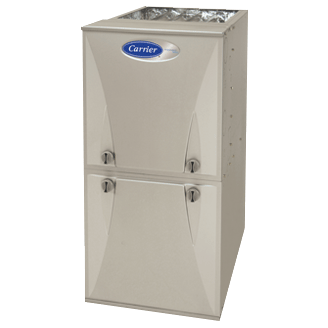
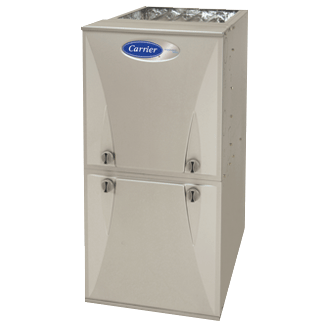
Performance Series Furnaces for Toronto and GTA Homes
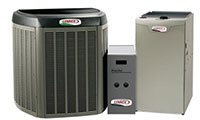
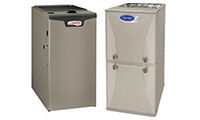
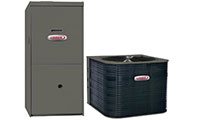
Performance Series furnaces are mid-tier gas heating systems designed for homeowners who want a stronger balance of efficiency, comfort control, quieter airflow, and installed cost than basic furnace options. The category includes single-stage and two-stage high-efficiency models, making it suitable for furnace replacement projects where dependable Canadian winter heating and improved system performance are both priorities.
Which Performance Series Furnace Configuration Fits Your Home?
The right model depends on more than furnace capacity. Heating stages, blower performance, efficiency, duct conditions, and compatibility with the rest of the HVAC system determine whether the installation will provide meaningful comfort improvements.
Single-Stage Performance
A single-stage furnace operates at full heating output whenever the thermostat calls for heat. It can be a practical choice for homes with standard comfort needs, but it may create wider temperature changes than a two-stage model.
Two-Stage Heating
A two-stage furnace can use lower output during moderate weather and higher output during colder periods. This supports longer cycles and steadier indoor temperatures, but oversizing can reduce the benefit.
Enhanced Blower Control
Available variable-speed and multi-speed blower configurations can improve airflow, filtration, and cooling support. Restrictive ductwork can still create noise and uneven comfort, so airflow must be evaluated before installation.
Performance Series vs Other Furnace Categories
Performance Series equipment is positioned between entry-level furnaces and premium communicating systems. Comparing the main tiers helps determine whether improved staging and blower control provide enough value for the home.
Two-Stage Heating and Temperature Consistency
Two-stage Performance Series furnaces can operate at a lower heating level during much of the season and increase output when heating demand rises. Compared with a single-stage furnace, this can reduce abrupt temperature changes and allow heat to circulate more evenly through the home.
The improvement depends on correct sizing. A furnace that is too large may satisfy the thermostat quickly and spend limited time in the lower stage, reducing the comfort and efficiency advantages that influenced the purchase.
High-Efficiency Furnace Performance
High-efficiency models in this category can reach ratings of up to approximately 97 percent AFUE. This means a larger percentage of the fuel is converted into usable heat compared with older conventional furnaces.
Efficiency ratings should be considered alongside staging, blower operation, duct performance, and installation quality. A highly rated furnace installed with incorrect airflow, gas input, venting, or controls may not deliver the expected operating value.
Installation Factors That Affect Performance
Performance Series furnace installation should begin with a heating-load calculation and a full review of the central HVAC system. Furnace capacity, supply and return airflow, venting, gas supply, condensate drainage, electrical requirements, thermostat compatibility, filtration, and cooling equipment all affect final performance.
Replacing an older furnace with the same capacity is not always appropriate. Improvements to insulation, windows, and air sealing may have lowered the home’s heating requirement, while the existing furnace may have been oversized from the beginning.
The Oversized Two-Stage Furnace Problem
An oversized Performance Series furnace may heat the home too quickly, shorten operating cycles, and reduce time spent at lower output. This can produce temperature swings, louder airflow, and less benefit from the upgraded equipment.
Ductwork and Airflow Requirements
Enhanced blower performance cannot fully correct undersized ducts, insufficient return air, restrictive filters, closed registers, or poorly balanced supply branches. These conditions can increase static pressure, create noise, and prevent heat from reaching rooms evenly.
Homes with weak airflow, hot and cold rooms, or loud vents should have the ductwork evaluated before furnace replacement. Correcting airflow restrictions may increase installation cost, but it protects the equipment and improves everyday comfort.
Performance Series Furnace Replacement
Replacing an aging furnace with a Performance Series model can improve heating consistency, efficiency, airflow, and indoor sound levels. The decision should consider furnace age, repair frequency, heat exchanger condition, utility use, temperature differences, and compatibility with the existing air conditioner or heat pump.
If the current furnace has frequent failures or cannot maintain even comfort, replacement may offer better value than another major repair. If the home has basic heating needs and limited comfort concerns, comparing Performance Series with Comfort Series equipment can prevent unnecessary spending.
Performance Series Furnace Cost Factors
The total installed cost depends on furnace model, heating capacity, staging, blower configuration, installation access, venting changes, gas-line requirements, condensate routing, thermostat upgrades, filtration, duct modifications, and compatibility with existing cooling equipment.
Quotes should be compared by complete installation scope rather than furnace price alone. A lower proposal may exclude venting updates, drainage work, airflow corrections, commissioning, controls, or disposal required for a complete replacement.
Compatibility with Air Conditioners and Heat Pumps
A Performance Series furnace can provide heating and indoor airflow within a matched central HVAC system. The furnace blower, evaporator coil, outdoor unit, and thermostat should support compatible airflow and control requirements.
When paired with a compatible heat pump, the furnace can become part of a hybrid heating system. The control strategy must determine when to use electric heat pump operation and when to switch to gas heating, or the system may not achieve its intended operating value.
How to Choose the Right Performance Series Furnace
The final system selection should reflect the home’s heating load, duct conditions, comfort expectations, existing HVAC equipment, and installation constraints. Use this checklist before choosing a model or approving a furnace replacement proposal.
Performance Series Furnace Selection Checklist
- Complete a heating-load calculation instead of automatically matching the old furnace capacity.
- Choose between single-stage and two-stage heating based on comfort expectations and budget.
- Review blower type, duct sizing, return-air capacity, static pressure, and room airflow balance.
- Confirm thermostat, air conditioner, heat pump, evaporator coil, and zoning compatibility.
- Check venting, gas supply, condensate drainage, electrical needs, and service clearances.
- Compare efficiency, sound, warranty, installed cost, and long-term operating needs together.
Local Suitability for Toronto and the GTA
Performance Series furnaces can be well suited to Toronto and GTA homes that need efficient winter heating with better comfort control than entry-level equipment. They are commonly considered for detached homes, townhomes, multi-level properties, and furnace replacements where homeowners want improved staging and airflow without selecting the highest premium tier.
The main limitation is that upgraded furnace technology still depends on correct sizing, duct design, controls, and commissioning. If those factors are not addressed, the homeowner may not receive the expected improvement in efficiency, sound, or temperature consistency.
Plan Your Performance Series Furnace Installation
A Performance Series furnace can provide efficient and consistent winter heating when its capacity, staging, airflow, venting, controls, and connected HVAC equipment are correctly matched. Before purchasing, review replacement needs, duct conditions, installation scope, efficiency goals, and long-term service access with a qualified furnace installation team.
FREE In-Home Estimate