

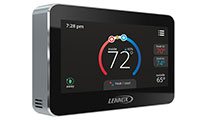
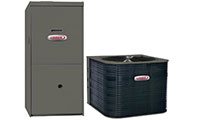

Dave Signature Collection
Dave Signature Collection heat pumps are designed for homeowners who want consistent comfort, advanced efficiency, and quiet operation in all seasons. This collection represents high-performance HVAC systems built for long-term reliability in Canadian climates.
What Makes This Collection Stand Out
- Variable-speed technology for precise temperature control
- High SEER ratings for improved energy efficiency
- Ultra-quiet operation suitable for residential neighborhoods
- Compatible with smart thermostats and zoning systems
Ideal For
- Full home heating and cooling
- Replacing older furnace + AC systems
- Energy-conscious homeowners
- Properties looking for year-round efficiency
These systems are engineered to maintain comfort during both hot summers and colder shoulder seasons, making them a strong option for homes across Toronto and the GTA.
Showing all 3 results
-
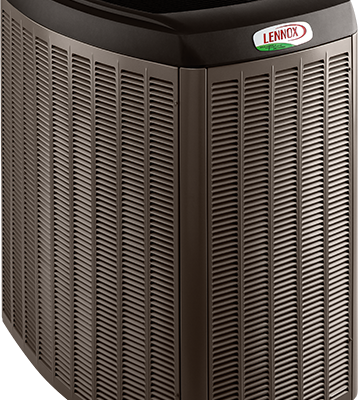
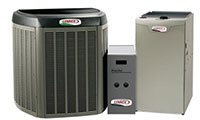
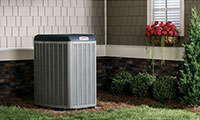
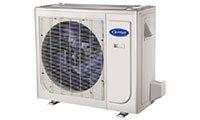
Lennox SL18XP1 Single-stage Heat Pump
-
Lennox XP21 Multi-stage Heat Pump
-
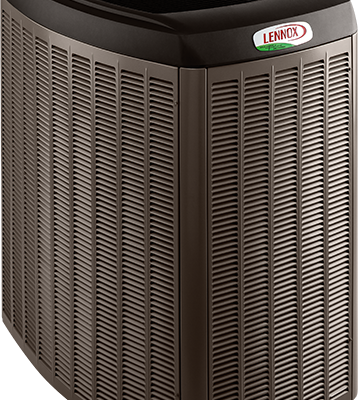
Lennox XP25 Variable-capacity Heat Pump
Dave Signature Collection Heat Pumps for Canadian Homes
Dave Signature Collection heat pumps are electric heating and cooling systems that move heat instead of generating it. In Canadian conditions, especially across Toronto and the GTA, this allows one system to handle both summer cooling and a significant portion of winter heating demand. The practical benefit is not just efficiency—it’s reducing reliance on separate systems while maintaining more consistent indoor comfort throughout the year.
How These Systems Perform Across Seasons in the GTA
Heat pumps operate by transferring heat between indoor and outdoor air. In winter, they extract available heat from outside—even in cold temperatures—and bring it indoors. In summer, the process reverses. The key difference compared to traditional systems is how performance changes under real weather conditions, especially during colder months.
Cold-Weather Performance
Performance depends on how well the system maintains output below freezing. In Toronto winters, weaker systems may rely more on backup heating.
Dual Heating and Cooling
A single system can replace both furnace and AC in certain homes, but only if properly sized and matched to the property.
Variable-Speed Operation
Adjusts output based on demand, helping reduce temperature swings and improving comfort in multi-room layouts.
Where These Systems Work Best in Toronto and GTA Homes
Not every property benefits equally. The effectiveness of a heat pump depends heavily on the structure of the home, insulation quality, and available electrical capacity.
What Happens in Poorly Insulated Homes?
In older homes with weak insulation, heat loss can exceed the system’s output during cold weather. This often leads to longer run times, uneven heating, and increased reliance on supplemental heat.
Detached Homes
Typically perform well when insulation and ductwork are adequate.
Older Properties
May require upgrades before achieving expected efficiency levels.
New Construction
Often designed to maximize efficiency, making them ideal for heat pump systems.
Key Factors That Actually Determine System Performance
System selection should be based on measurable performance factors, not just specifications. These directly impact comfort, efficiency, and long-term reliability.
Heating Capacity
An undersized system may run continuously in winter and still fail to maintain temperature during cold nights.
Efficiency Ratings
Higher efficiency reduces energy use, but only when the system is properly installed and matched to the home.
Low-Temperature Output
Critical in Canadian climates, where systems must continue operating effectively below freezing.
Noise Levels
Important for urban homes where outdoor unit placement affects nearby living spaces.
Zoning Capability
Allows better temperature control across different areas of the home.
Installation Factors That Affect Long-Term Results
Installation quality directly impacts system performance. Incorrect sizing, poor airflow planning, or improper placement can reduce efficiency and increase wear.
What Happens If the System Is Incorrectly Sized?
An undersized system struggles during peak demand, while an oversized system cycles too frequently. Both situations reduce efficiency and shorten system lifespan.
Installation Considerations
- Correct load calculation based on square footage and insulation
- Proper outdoor unit placement for airflow and snow clearance
- Electrical panel compatibility
- Choosing between ducted and ductless configurations
When Replacement Becomes the Better Option
Replacement is typically the better decision when system performance declines consistently rather than occasionally.
- Uneven temperatures despite system operation
- Frequent repair requirements
- Reduced performance in extreme weather
How Heat Pumps Compare to Other Heating Systems
Heat pumps offer a different approach compared to furnaces and traditional systems. Understanding the differences helps determine when they are the right choice.
How These Systems Are Used Throughout the Year
Seasonal usage patterns affect how these systems should be evaluated.
Winter
Maintains indoor warmth, sometimes with supplemental heating.
Spring & Fall
Operates efficiently at lower demand levels.
Summer
Provides cooling while managing humidity levels.
Key Takeaways Before Choosing a System
What Matters Most
- Cold-weather performance is critical in Canadian climates
- System sizing determines long-term efficiency
- Home condition affects overall performance
- Installation quality impacts reliability and lifespan
FREE In-Home Estimate