
Heat Pumps
Showing 19–27 of 45 results
-
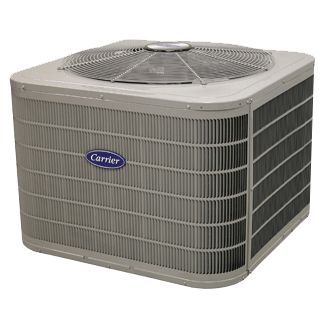
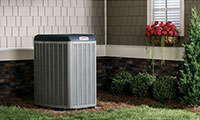
Carrier Performance™ 16 Heat Pump 25HCB6
-
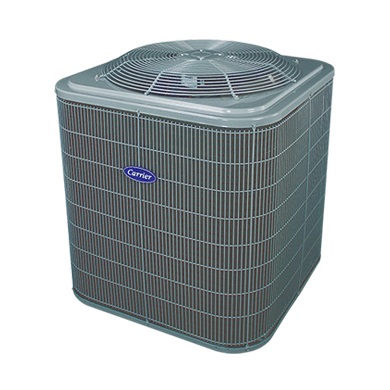
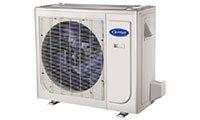
Carrier-Comfort 15 25SCA5 Heat Pump
-
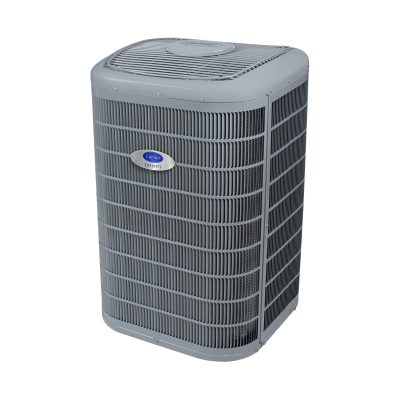
Carrier-Infinity 18VS 25VNA8 Heat Pump
-
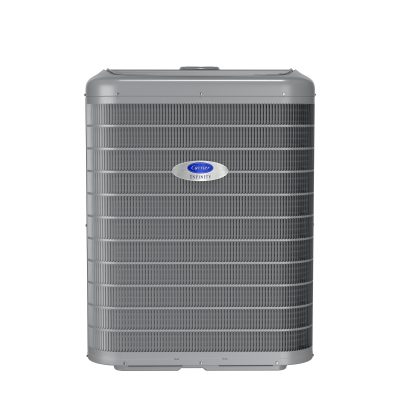
Carrier-Infinity 24 Heat Pump With Greenspeed Intelligence 25VNA4
-
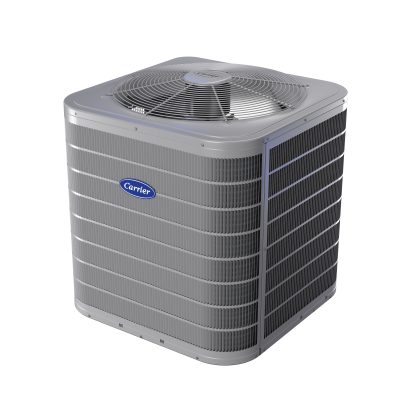
Carrier-Performance 17 25TPA7 Heat Pump
-
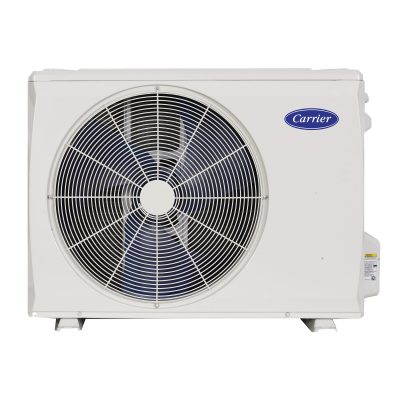
Carrier-Performance 18 38MURA Variable-Speed Compact Heat Pump
-
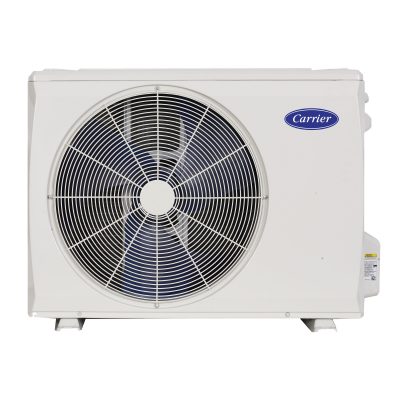
Carrier-Performance 38MARB Heat Pump
-
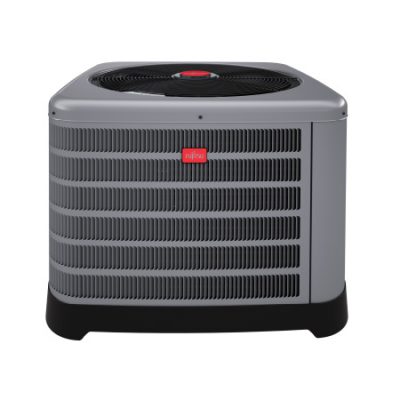
Fujitsu FO14R Heat Pumps
-
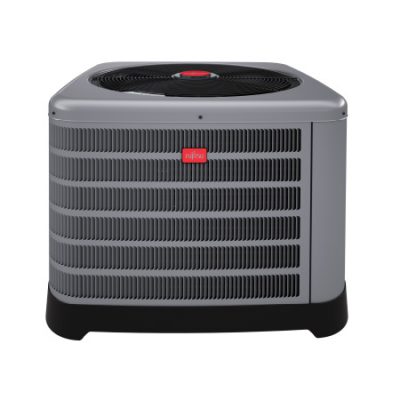
Fujitsu FO15R Heat Pumps
Heat Pumps for Toronto and GTA Homes
Heat pumps are heating and cooling systems that transfer heat instead of generating it directly, allowing one system to cool a home in summer and provide heating during colder months. They are commonly used for central HVAC replacement, ductless upgrades, hybrid heating systems, additions, condos, and whole-home electrification projects across Toronto and the GTA.
When a Heat Pump Is the Right Choice
A heat pump is most useful when the home needs both cooling and heating support from one system. The main decision is whether the property needs a central ducted system, a ductless configuration, a cold-climate model, or a hybrid setup that works with backup heating.
Heating and Cooling Together
A heat pump can replace an older air conditioner while adding electric heating capability. If the home only needs limited cooling and already has an efficient heating system, the added investment may provide less value.
Cold-Climate Performance
Toronto and GTA homes need equipment selected for low outdoor temperatures, not only summer efficiency. A standard model may require more backup heat than a properly selected cold-climate system.
Home Layout and Distribution
Central heat pumps work through ductwork, while ductless systems serve individual zones. Choosing the wrong configuration can leave rooms uncomfortable or require more indoor units than expected.
Central, Ductless, Cold-Climate, and Hybrid Heat Pumps
Heat pump categories differ in how they distribute comfort, perform in winter, and integrate with existing HVAC equipment. Comparing these options before installation helps identify which system matches the home rather than relying on equipment size alone.
Heat Pumps vs Air Conditioners and Furnaces
A heat pump cools a home in a similar way to a central air conditioner but can reverse operation to provide heating. A furnace remains a heat-only appliance, so the best comparison depends on whether the homeowner wants separate equipment or a more integrated heating and cooling strategy.
Replacing an air conditioner with a heat pump can add heating capability without removing a compatible furnace. Replacing both heating and cooling equipment requires a broader review of winter capacity, electrical service, ductwork, operating costs, and backup heat requirements.
Installation Factors That Determine Performance
Heat pump installation should begin with a heating and cooling load assessment rather than matching the capacity of the old equipment automatically. Home size, insulation, windows, air leakage, ductwork, electrical capacity, refrigerant lines, drainage, controls, and outdoor placement all affect the result.
Outdoor units also need adequate airflow, drainage, snow clearance, and service access. Indoor equipment must be compatible with the selected heat pump so the system can deliver the intended efficiency, staging, airflow, and control functions.
The Incorrect Sizing Problem
An oversized heat pump may cycle too quickly, reduce humidity control, and create temperature swings. An undersized system may run continuously, rely heavily on backup heat, and still struggle during extreme weather.
Cold-Weather Performance in Toronto and the GTA
Heat pump output and efficiency change as outdoor temperatures fall, so winter performance should be reviewed at specific low-temperature conditions. The rated maximum capacity does not show how much usable heat the system will provide during the coldest periods.
A cold-climate model, hybrid system, or properly designed electric backup may be required depending on the home’s heat loss and comfort goals. The wrong backup strategy can increase operating costs or leave the home without enough heat during severe weather.
Heat Pump Replacement and Retrofit Planning
Heat pump replacement can involve an older heat pump, a central air conditioner, a ductless system, or a furnace and cooling combination. Each retrofit has different requirements for indoor equipment, wiring, controls, ductwork, line sets, and backup heat.
Existing ducts should be checked for airflow restrictions and leakage before installing a central system. In homes without suitable ducts, a ductless or multi-zone configuration may avoid extensive renovation but requires careful indoor unit placement and capacity planning.
Heat Pump Cost Factors
Heat pump cost depends on system type, capacity, efficiency level, cold-climate capability, number of zones, indoor equipment, electrical work, duct modifications, controls, refrigerant line routing, and installation access. A single-zone ductless project has a different cost structure from a central whole-home replacement.
The lowest equipment quote may exclude work needed for proper performance. Comparing proposals should include equipment matching, installation scope, electrical requirements, controls, commissioning, warranty coverage, and any required backup heating components.
Efficiency Ratings and Real-World Performance
Cooling and heating efficiency ratings help compare models, but they do not replace correct system design. A high-efficiency heat pump installed on restrictive ductwork or configured with poor controls may perform worse than a properly installed lower-tier system.
Variable-capacity and multi-stage models can provide longer, steadier operation with fewer temperature swings. Single-stage systems may cost less initially but can offer less precise comfort, especially in homes with changing loads throughout the day.
How to Choose the Right Heat Pump
The final system selection should account for the home, existing HVAC equipment, winter heating plan, and long-term operating goals. Use this checklist before choosing a model or approving an installation proposal.
Heat Pump Selection Checklist
- Confirm whether the home needs a central, ductless, multi-zone, cold-climate, or hybrid system.
- Complete heating and cooling load calculations instead of copying the old equipment size.
- Review insulation, air leakage, window exposure, ductwork, and current comfort problems.
- Compare low-temperature heating capacity, efficiency, sound level, staging, and control options.
- Confirm indoor equipment, thermostat, electrical service, refrigerant lines, and backup heat compatibility.
- Plan outdoor placement for airflow, snow clearance, drainage, noise, and future service access.
Which Homes Benefit Most from Heat Pumps?
Heat pumps can be a strong fit for detached homes, townhomes, condos, additions, finished basements, and older properties with difficult comfort zones. Homes replacing an aging air conditioner may also benefit because a heat pump adds heating capability while continuing to provide summer cooling.
The main limitation is that no single heat pump configuration suits every property. Homes with high heat loss, weak ductwork, limited electrical capacity, or complex room layouts may require building upgrades, zoning changes, or a hybrid system to achieve the expected performance.
Plan Your Heat Pump Installation
A heat pump can provide efficient year-round comfort when the equipment type, capacity, indoor components, controls, ductwork, backup heating, and installation conditions are matched correctly. Before buying, review system selection, replacement scope, winter performance, airflow, electrical requirements, operating goals, and long-term service access with a qualified HVAC installation team.
FREE In-Home Estimate