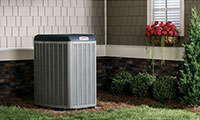


Value Series Model
Showing the single result
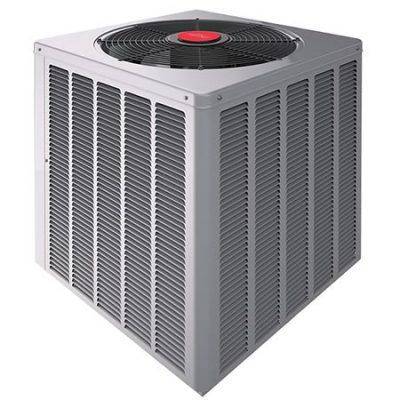
Value Series Heat Pumps for Toronto and GTA Homes
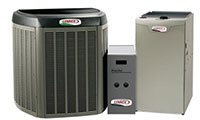
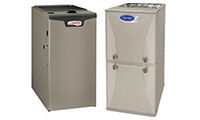
Value Series heat pumps are cost-conscious heating and cooling systems designed for homeowners who want dependable year-round comfort without selecting a premium heat pump tier. They are commonly considered for heat pump installation, replacement, and HVAC upgrades where the priority is practical performance, controlled upfront cost, and correct system fit for Canadian homes.
When a Value Series Heat Pump Is the Right Choice
This category is most suitable when the home needs reliable heating and cooling but does not require the highest level of efficiency, sound control, or advanced comfort features. The key decision is whether a Value Series system can meet the home’s heating load, cooling demand, ductwork conditions, and backup heating strategy without creating comfort limitations later.
Cost-Controlled Replacement
Value Series heat pumps can be a practical choice when replacing aging cooling equipment or adding heat pump functionality on a tighter budget. If the home has high winter heating demand or major comfort issues, a higher-performance system may be a better long-term fit.
Basic Year-Round Comfort
This category supports both cooling and heating in one system, making it useful for homeowners who want a more flexible HVAC setup. The trade-off is that performance may be less refined than upgraded models during extreme temperatures or longer run cycles.
Standard Home Applications
Value Series models can work well in homes with typical insulation, airflow, and comfort expectations. If the property has poor ductwork, large open spaces, or strong noise sensitivity, system limitations should be reviewed before installation.
Value Series vs Other Heat Pump Options
The right heat pump category depends on comfort expectations, home size, insulation, ductwork, installation budget, and how much heating support the system must provide. Comparing system tiers before buying helps prevent choosing a lower-cost system that cannot meet the home’s needs or paying for premium features that may not be necessary.
Installation Factors That Affect Performance
Value Series heat pump installation should begin with the home’s actual heating and cooling requirements. Ductwork condition, airflow, insulation, electrical capacity, refrigerant lines, thermostat compatibility, indoor coil or air handler matching, drainage, outdoor placement, and backup heating all affect how the system performs.
In Toronto and the GTA, heat pump selection must account for humid summers, colder winter periods, and shoulder-season heating. A Value Series heat pump can be a practical option when properly sized and installed, but it may underperform if the home needs stronger cold-weather output or more advanced comfort control.
The Low-Cost Selection Problem
If a Value Series heat pump is chosen only because it lowers upfront cost, the home may still experience uneven temperatures, long run times, or higher backup heat use. The system must be selected around the home’s actual heating and cooling load, not only the equipment price.
Replacement Considerations Before Choosing Value Series
Replacing an older air conditioner, heat pump, or combined HVAC setup with a Value Series heat pump can be a practical upgrade when the home needs dependable cooling and electric heating support. The decision should consider equipment age, repair history, energy use, comfort complaints, and whether the existing indoor equipment can support the new system.
If the current system has frequent breakdowns, weak airflow, poor humidity control, or uneven room temperatures, replacement may provide better value than continued repairs. However, the upgrade should include a review of indoor equipment compatibility, ductwork performance, thermostat setup, electrical requirements, and backup heating needs.
Cost Factors That Change the Final Project
Value Series heat pump cost depends on system capacity, installation complexity, indoor equipment compatibility, electrical work, refrigerant line condition, thermostat upgrades, ductwork condition, and whether backup heating or system accessories are required.
A lower equipment price does not always mean the best finished result. If airflow corrections, electrical requirements, indoor matching, or backup heat planning are missed, the heat pump may not deliver the expected comfort or operating value.
Performance and System Selection Factors
Performance should be evaluated around both cooling and heating. A home that mainly needs summer cooling may not require the same system strategy as a home trying to use the heat pump for meaningful heating support through fall, spring, and milder winter periods.
For many Toronto and GTA homes, Value Series heat pumps can provide practical value when the home has standard comfort needs and the installation is done correctly. For larger homes, older duct systems, high winter heating demand, or strong noise sensitivity, comparing higher-tier options before final selection can prevent underperformance.
How to Choose the Right Value Series Heat Pump
The best model should match the home’s heating load, cooling load, ductwork, budget, and comfort expectations. Use this checklist before selecting the final heat pump and installation plan.
Value Series Heat Pump Selection Checklist
- Confirm whether the goal is cooling replacement, heating support, efficiency improvement, or full HVAC upgrade.
- Review home size, insulation, ductwork, airflow, window exposure, humidity concerns, and current comfort issues.
- Compare Value Series, mid-tier, premium, and traditional furnace and air conditioner options.
- Check indoor coil, air handler, furnace, thermostat, and backup heat compatibility.
- Review outdoor unit placement for airflow, sound, snow clearance, drainage, and service access.
- Choose capacity based on heating and cooling load, not only the size of the old outdoor unit.
Local Suitability for Canada, Toronto, and the GTA
Value Series heat pumps can be suitable for Toronto and GTA homes that need dependable heating and cooling with practical cost control. They are often considered for standard residential replacements, townhomes, detached homes, and properties where homeowners want heat pump benefits without selecting an upgraded or premium system tier.
The main limitation is that this category may not be the best match for every home. If the property has high winter heating demand, poor ductwork, large open areas, or strong expectations for quiet and precise comfort, reviewing upgraded heat pump options may lead to a better long-term decision.
Plan Your Value Series Heat Pump Installation
A Value Series heat pump can be a practical upgrade when the model, indoor equipment, ductwork, thermostat, backup heat strategy, and installation plan are matched correctly. Before buying, review sizing, replacement needs, efficiency goals, airflow, sound expectations, cold-weather performance, and long-term service access with a qualified HVAC installation team.
FREE In-Home Estimate