


High Efficiency
Showing 10–16 of 16 results
-
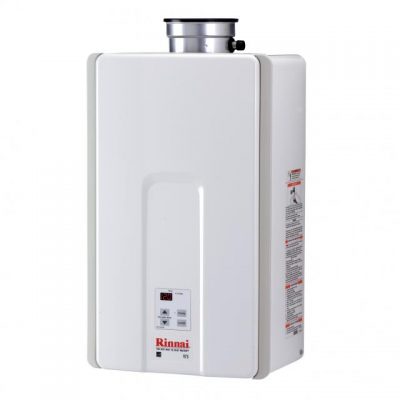
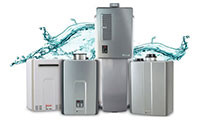
Rinnai V75iN High Efficiency Tankless Water Heater
-
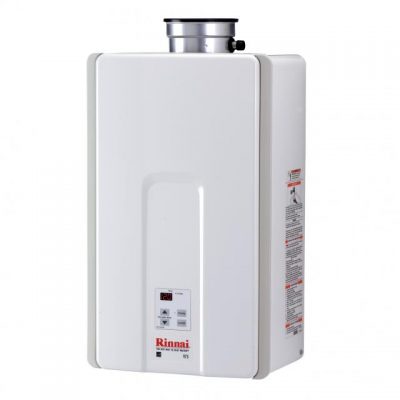
Rinnai V75iP High Efficiency Tankless Water Heater
-
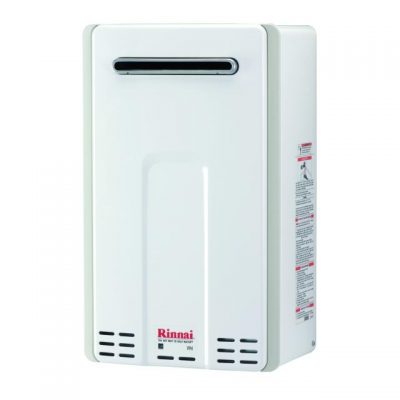
Rinnai V94eN High Efficiency Tankless Water Heater
-
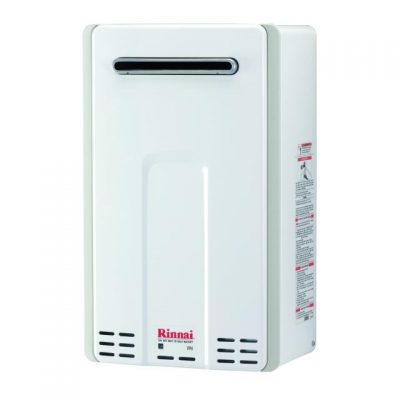
Rinnai V94eP High Efficiency Tankless Water Heater
-
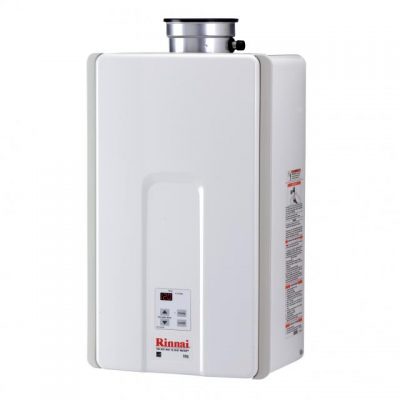
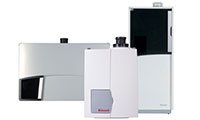
Rinnai V94iN High Efficiency Tankless Water Heater
-
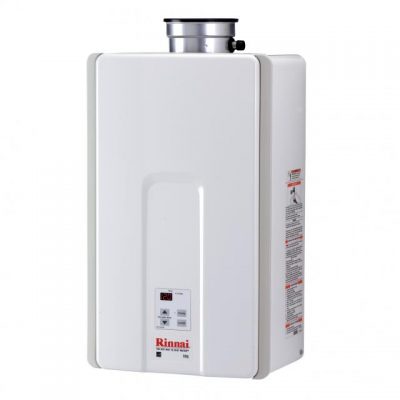
Rinnai V94iP High Efficiency Tankless Water Heater
-
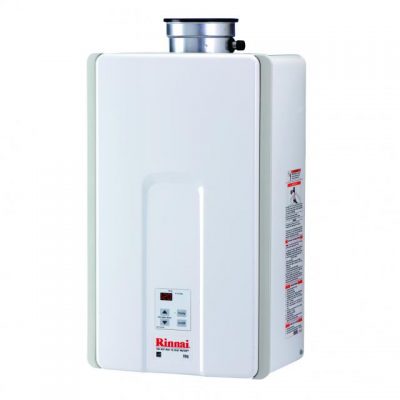
Rinnai V94XiN High Efficiency Tankless Water Heater
High Efficiency Tankless Water Heaters for On-Demand Hot Water
High Efficiency tankless water heaters are condensing gas systems designed to produce domestic hot water as it is needed rather than maintaining a large tank of stored water. This category centres on the Greentherm T9800 SE 199, a 199,000 BTU/h indoor model designed for high-efficiency operation, compact installation and residential hot-water loads that justify its output.
For Toronto and GTA homes, the most important selection question is not the published maximum flow by itself. Actual hot-water capacity depends heavily on incoming-water temperature, desired outlet temperature and how many fixtures need hot water at the same time.
Greentherm T9800 SE 199 Performance
The T9800 SE 199 modulates from approximately 9,000 to 199,000 BTU/h on natural gas and is designed to adjust firing rate as hot-water demand changes. Its high maximum input supports demanding residential applications, while modulation helps avoid operating at full capacity when only a small amount of hot water is required.
How to Decide Whether This High Efficiency System Fits Your Home
A 199,000 BTU/h tankless water heater should be selected from the home's simultaneous hot-water load and required temperature rise. Number of occupants or bathrooms can help describe the property, but neither is a substitute for calculating fixture demand.
Simultaneous Fixture Flow
Add the flow of showers, faucets and appliances that may realistically operate together. Simultaneous use determines peak tankless demand.
Winter Temperature Rise
Cold Toronto inlet water requires more energy to reach the same delivery temperature, reducing available flow compared with mild inlet conditions.
199,000 BTU/h Capacity
High maximum input supports larger loads, but capacity should solve a calculated requirement rather than be selected simply because more BTUs appear better.
Indoor Installation
The T9800 SE 199 is an indoor configuration, so vent routing, combustion air, condensate drainage and service access influence installation feasibility.
Tank Replacement
Top-mounted water connections can help with storage-tank conversions, but gas, venting, electrical and condensate requirements still need verification.
Hot-Water Delivery Time
Tankless heating does not eliminate the water sitting in long plumbing runs. Recirculation needs should be evaluated separately from heating capacity.
Maximum GPM vs Real Hot-Water Capacity
The T9800 SE 199 can reach up to 11.2 GPM at a 35°F temperature rise, but that number describes a specific operating condition. As the difference between incoming cold water and desired hot-water temperature increases, available flow falls.
This is particularly important in Canada. A homeowner who sizes the system from 11.2 GPM without accounting for winter inlet-water temperature can significantly overestimate how many high-flow fixtures the heater can support simultaneously.
Toronto Winter Performance
Toronto's colder incoming water increases the temperature rise required from a tankless water heater during winter. The same appliance can therefore deliver different usable flow depending on season and desired outlet temperature.
A high maximum input helps, but no tankless water heater has unlimited instantaneous capacity. Homes with multiple showers, large tubs or other high-flow fixtures should be evaluated at a realistic cold-season temperature rise before installation.
Avoid Choosing From the 11.2 GPM Rating Alone
Maximum-flow ratings are useful for comparing equipment only when the associated temperature rise is understood. They are not a promise that the same flow can be delivered at typical Canadian winter temperature rises.
Maximum Flow Looks Sufficient but Winter Demand Is Higher
A homeowner adds the flow rates of several fixtures and sees a total below 11.2 GPM, so the system appears adequately sized. In winter, substantially colder incoming water requires a greater temperature rise and the heater cannot produce the same flow at the desired outlet temperature, reducing simultaneous hot-water capacity.
High Efficiency Condensing Operation
The T9800 SE 199 uses condensing technology to recover heat that would otherwise leave with combustion exhaust. Its UEF is approximately 0.97, placing energy performance well above that of many older conventional gas storage water heaters.
High efficiency does not eliminate installation trade-offs. Condensing operation requires appropriate venting and condensate management, so replacement decisions should consider both energy performance and the infrastructure required to install the system correctly.
High Efficiency Tankless vs Conventional Gas Tank
A conventional storage water heater maintains a reserve of heated water, while the T9800 SE 199 produces hot water as demand occurs. This changes both energy use and how available hot-water capacity should be evaluated.
Continuous Hot Water Does Not Mean Unlimited Flow
A correctly sized tankless system can continue producing hot water without waiting for a storage tank to recover. The limitation is how much water the burner can heat at one time.
If simultaneous demand exceeds available capacity at the required temperature rise, performance will be constrained even though the unit has no fixed tank volume to exhaust. This distinction is critical when replacing a large storage tank in a home with several bathrooms.
199,000 BTU/h vs Lower-Capacity Tankless Water Heaters
The 199,000 BTU/h input provides more heating capacity than lower-output tankless models, which can support greater flow at a given temperature rise. That makes the T9800 SE 199 relevant for larger residential loads and homes where multiple hot-water fixtures may operate together.
Higher maximum input is not automatically better for every home. A smaller system may satisfy a lower calculated load, while homes whose winter demand exceeds one 199,000 BTU/h unit may need a different system design rather than expecting one appliance to operate beyond its capacity.
Modulation and Low-Demand Operation
Maximum capacity determines how the system handles peak loads, but minimum firing rate affects operation during smaller draws. The natural gas version can reduce input to approximately 9,000 BTU/h instead of operating near maximum capacity whenever hot water is requested.
This wide operating range is useful in homes where demand changes throughout the day. A single faucet and several simultaneous fixtures create very different loads, so modulation allows the appliance to respond more closely to actual demand.
Replacing a Storage Tank With the T9800 SE 199
The indoor T9800 SE platform uses top-mounted water connections, which can simplify some storage-tank replacement layouts because conventional tanks commonly connect from above. Integrated drain provisions also reduce some of the additional components associated with servicing a tankless installation.
These features can make conversion easier, but they do not turn a tankless installation into a direct tank swap. Gas input, venting, condensate drainage, electrical service and wall-mounting requirements still need to be reviewed before the existing tank is removed.
Do Not Treat a Tankless Conversion as a Direct Swap
Changing from storage to tankless affects more than the appliance itself. The new unit can have a substantially higher instantaneous gas input and different venting and drainage requirements.
The Old Tank Connections Fit but the Infrastructure Does Not
A tankless conversion is planned around the existing hot and cold water connections without checking gas capacity, vent routing or condensate drainage. The installation then requires unplanned infrastructure changes even though the water-piping location initially appeared convenient.
Replacing an Older Tankless Water Heater
A tankless-to-tankless replacement can involve fewer changes when the existing infrastructure is compatible, but the old system should not be copied automatically. Gas capacity, venting, water connections and condensate arrangements still need to match the replacement appliance.
The home's current hot-water demand should also be recalculated. Added bathrooms, higher-flow fixtures or changes in household usage can make the previous capacity inappropriate even if the existing tankless unit was correctly sized when installed.
Indoor Installation Requirements
The T9800 SE 199 is a compact wall-mounted indoor water heater measuring roughly 18.5 inches wide, 31.5 inches high and under 10 inches deep. Its small footprint can be useful where mechanical-room floor space is limited.
Compact dimensions should not lead to an overly tight installation. Adequate clearances, vent routing, access to water and gas connections, condensate drainage and future service requirements should determine the final mounting location.
Gas Supply for a 199,000 BTU/h Tankless Water Heater
A tankless system capable of firing at 199,000 BTU/h can place a much larger instantaneous demand on the gas system than some conventional storage water heaters. Existing gas piping should therefore be evaluated with the home's other connected appliances.
The presence of an existing gas line does not establish that it can support the new load. Pipe length, diameter, pressure and total connected demand influence whether modifications are required.
Natural Gas and Propane Conversion
The Greentherm platform supports natural gas and liquid propane configurations, allowing the system to be adapted to different fuel supplies. Fuel choice should follow the property's available infrastructure rather than being treated as a way to increase hot-water capacity.
Maximum and minimum input characteristics differ between fuel configurations, so the selected fuel setup should be confirmed during equipment selection and commissioning.
Condensing Venting
High-efficiency condensing operation produces lower-temperature exhaust than traditional atmospheric water heating, allowing approved condensing vent configurations. The correct vent arrangement depends on the installation location, vent length and termination conditions.
An existing storage-water-heater flue should not automatically be reused. Changing to condensing tankless equipment can require an entirely different venting strategy even when both appliances use gas.
Condensate Drainage
Condensing operation creates condensate as heat is recovered from combustion gases. The installation therefore requires an appropriate drainage arrangement.
Drain location can influence where the unit should be mounted. In retrofit projects, checking condensate routing before selecting the wall location can prevent unnecessary piping or relocation during installation.
Recirculation vs Heating Capacity
The T9800 SE 199 does not include the built-in recirculation pump found in some higher-feature tankless configurations. This distinction matters when rapid hot-water delivery to distant fixtures is a major priority.
Recirculation affects how quickly hot water reaches the fixture; it does not increase the heater's fundamental BTU capacity. Homes with long plumbing runs should therefore evaluate delivery time and peak heating demand as separate decisions.
Tankless Water Heater Installation in Toronto and the GTA
A Toronto-area installation needs to account for cold incoming-water conditions as well as the physical requirements of an indoor condensing gas appliance. Correct sizing should be completed before gas piping, venting and condensate arrangements are finalized.
For replacement projects, the existing mechanical room can simplify some aspects while complicating others. A compact wall-mounted unit may free floor space, but upgrading gas or changing the vent route can add more work than a like-for-like storage-tank replacement.
Water Quality and Maintenance
Mineral accumulation can affect heat transfer and water flow through a tankless heat exchanger. Water conditions and usage therefore influence how frequently the system may require inspection and flushing.
Service access should be planned during installation rather than after a maintenance problem occurs. A wall location that is visually convenient but difficult to service can increase the time and complexity of future maintenance.
High Efficiency Tankless Water Heater Cost
The installed cost of a high-efficiency tankless system depends on more than the water heater itself. Gas-line modifications, venting, condensate drainage, water-piping changes, electrical work and removal of existing equipment can materially change the project price.
A tankless-to-tankless replacement with compatible infrastructure can have a different cost profile from converting a conventional storage tank. Comparing complete installed scope is more useful than comparing equipment prices alone.
When the High Efficiency T9800 SE 199 Is a Good Fit
This category is particularly relevant for homes that need a high-output indoor condensing tankless water heater, want to eliminate a large storage tank and have a calculated hot-water load within the unit's capacity. Its 199,000 BTU/h maximum input makes it suitable for more demanding residential applications than lower-output tankless models.
A storage system may remain practical when large short-duration demand is better served by stored volume, while a recirculation-equipped tankless model may be preferable when fast delivery to distant fixtures is a priority. The correct choice depends on demand pattern and installation conditions rather than efficiency rating alone.
High Efficiency Tankless Selection Checklist
Before selecting the T9800 SE 199, confirm that its performance matches the home's real hot-water demand and that the property can support an indoor condensing installation. These checks are especially important when converting from a conventional storage tank.
Plan the T9800 SE 199 Installation
- Identify which hot-water fixtures can realistically operate at the same time.
- Add their flow rates to determine peak simultaneous demand.
- Calculate the required temperature rise using realistic Toronto winter inlet-water conditions.
- Do not use the 11.2 GPM maximum rating as the expected winter flow.
- Confirm that 199,000 BTU/h provides enough capacity for the calculated load.
- Verify whether natural gas or propane will be used.
- Check gas-system capacity together with other connected appliances.
- Plan an approved indoor condensing vent route.
- Confirm a practical condensate drainage location.
- Evaluate the proposed wall location for installation and future service access.
- Consider hot-water recirculation separately when fixtures are far from the heater.
- Plan for periodic maintenance and heat-exchanger flushing where required.
- For storage-tank conversions, evaluate the complete infrastructure rather than water connections alone.
- For existing tankless replacements, recalculate current demand before matching the old capacity.
- Compare total installed cost rather than equipment price alone.
Choosing a High Efficiency Tankless Water Heater in Toronto
The Greentherm T9800 SE 199 combines up to 199,000 BTU/h of input, condensing operation and a compact indoor wall-mounted format. Its high maximum flow can support demanding residential hot-water loads, but usable capacity must be evaluated at the temperature rise expected in the home.
For Toronto and GTA installations, winter inlet-water temperature, simultaneous fixture demand, gas capacity, venting, condensate drainage and hot-water delivery expectations should all be reviewed before installation. This provides a more reliable selection than choosing a high-efficiency tankless water heater from maximum GPM or efficiency alone.
FREE In-Home Estimate