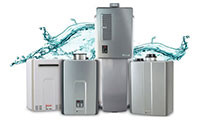
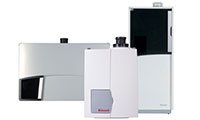


RX Models
Showing all 4 results
-
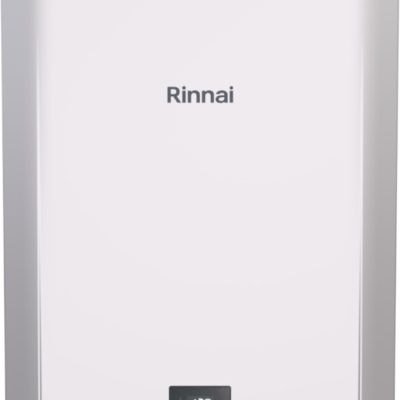
Rinnai RX130iN Tankless Water Heaters
-
Rinnai RX160iN Tankless Water Heaters
-
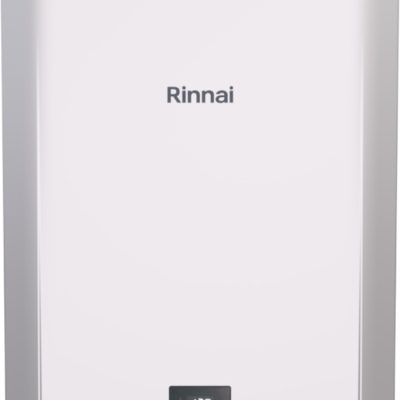
Rinnai RX180iN Tankless Water Heaters
-
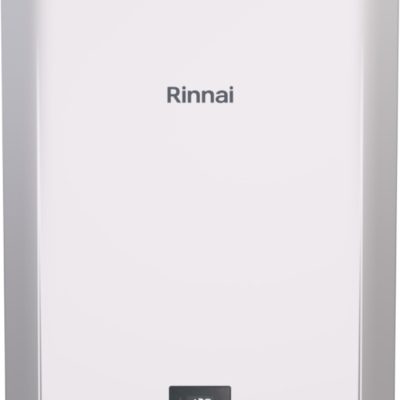
Rinnai RX199iN Tankless Water Heaters
RX Tankless Water Heater Models
RX models are high-efficiency condensing gas tankless water heaters that heat water only when a fixture calls for it. The category includes multiple output capacities for different household demands, with indoor or outdoor installation options, natural gas or propane operation, recirculation compatibility, and compact wall-mounted construction.
Choosing the right RX model requires more than matching the unit to the number of bathrooms. Toronto and GTA homeowners should consider simultaneous hot-water demand, winter groundwater temperature, required flow rate, gas supply, venting, recirculation needs, installation location, and the condition of the existing plumbing system.
Which RX Model Is Right for Your Home?
Model selection should reflect the highest realistic hot-water demand rather than average daily use. The following factors have the greatest impact on whether a smaller or higher-capacity unit will maintain the desired temperature when several fixtures operate together.
Simultaneous Fixture Use
A home using two showers, a faucet, and an appliance at the same time requires more output than a home where fixtures are used separately. Underestimating simultaneous demand can cause reduced flow or lower outlet temperatures.
Winter Inlet Water Temperature
Cold municipal water requires a greater temperature rise during Toronto winters. A model that delivers adequate flow in summer may provide less usable hot water during colder months.
Number of Bathrooms
Bathroom count is a useful starting point, but fixture flow rates and household routines matter more. Two high-flow showers can create more demand than several low-flow fixtures used at different times.
Recirculation Requirements
Homes with long plumbing runs may benefit from a recirculation strategy to reduce waiting time. The pump, return path, controls, and operating schedule must be included in the system design.
Gas and Venting Capacity
Higher-output models may require changes to the gas line, regulator, meter capacity, venting, or combustion-air arrangement. These upgrades can materially affect installation cost.
Indoor or Outdoor Placement
Indoor installation offers weather protection but requires approved venting and condensate drainage. Outdoor installation can simplify venting, but Toronto winter exposure and freeze protection must be carefully considered.
Comparing RX Model Capacities
RX models are available in several maximum input ranges to suit different hot-water loads. Published maximum flow should not be treated as guaranteed winter performance because actual delivery depends on the required temperature rise.
Flow Rate and Temperature Rise
Tankless capacity changes with the difference between incoming cold-water temperature and the requested hot-water temperature. The colder the inlet water, the more heating energy the unit needs for each litre flowing through it.
A flow rating measured under a mild temperature rise can be misleading for a Toronto home during winter. System selection should use the expected cold-season inlet temperature and the household’s preferred outlet temperature to estimate realistic simultaneous flow.
For example, a household that frequently runs two showers while using a kitchen faucet should total the actual fixture flow rates and compare that demand with the selected model’s output at the required winter temperature rise. Reducing fixture flow can increase the number of outlets the system can support, but it should not be used to justify an undersized installation.
RX Models vs Storage Tank Water Heaters
The best choice depends on hot-water usage, available utilities, installation scope, recovery expectations, and long-term ownership priorities. Tankless equipment provides continuous heating within its rated flow, while a storage tank provides a limited reserve that can be delivered quickly until the stored water is depleted.
RX Models vs RXP Models
The main decision is whether the project needs a standard recirculation-capable model or a unit configured with an internal recirculation pump. The correct choice depends on plumbing layout, hot-water waiting time, and how the recirculation loop will be controlled.
Recirculation and Hot-Water Delivery Time
A tankless water heater does not make hot water arrive instantly at distant fixtures. Delivery time depends on the volume of cooled water sitting between the unit and the open tap.
Recirculation can reduce waiting time by moving warm water closer to fixtures, but the design must balance convenience with heat loss and pump energy. A dedicated return line generally offers the most controlled arrangement, while crossover solutions may be considered where adding a return pipe is impractical.
Recirculation should be controlled by schedule, demand, occupancy, or intelligent operation rather than running continuously without need. Poorly insulated piping or excessive circulation can reduce the energy advantage of an efficient tankless system.
Avoid an Undersized RX Model
Household demand should be calculated before equipment is purchased. Selecting a lower-capacity model only to reduce the initial price can create a performance problem that cannot be corrected through thermostat settings.
Several Fixtures Open During Winter
When two showers and an appliance operate together, an undersized model may reduce flow or fail to maintain the requested outlet temperature. The problem becomes more noticeable when incoming Toronto water is cold and the required temperature rise is higher.
Indoor vs Outdoor RX Installation
RX models can support different installation locations, but the best option depends on venting access, freeze exposure, condensate disposal, gas routing, noise, service access, and available wall space.
Indoor Installation
Indoor placement protects the unit from direct weather exposure and can simplify winter servicing. It requires an approved combustion and venting system, adequate clearances, condensate drainage, gas supply, electrical power, and a location where leakage or service work will not damage finishes.
Outdoor Installation
Outdoor placement can remove conventional indoor vent routing and preserve interior space. In Toronto and the GTA, the unit must be installed with suitable freeze protection, wind consideration, snow clearance, drainage, weather exposure protection, and reliable electrical power.
Outdoor installation should not be selected solely because it appears simpler. Long plumbing runs can increase waiting time and heat loss, while exposed placement can make winter access and service more difficult.
Natural Gas and Propane Selection
RX models can support natural gas or propane applications, but fuel availability, supply pressure, pipe sizing, regulator capacity, and total connected load must be verified during installation.
A high-input tankless unit can place a greater instantaneous demand on the gas system than the water heater it replaces. Existing piping that served a storage tank may be too small once length, fittings, pressure drop, and other gas appliances are considered.
The gas meter or propane supply may also require review. Installing a high-capacity water heater without confirming the complete fuel system can cause ignition problems, unstable operation, or poor performance when other appliances run.
Venting and Condensate Requirements
Condensing RX models produce combustion exhaust and liquid condensate that must be managed correctly. Vent material, diameter, length, fittings, termination clearances, slope, and intake arrangement must comply with the approved installation design.
Condensate requires a suitable drain and may require neutralization before entering the drainage system. The piping should be protected from freezing and installed so that blockages or leakage can be detected and serviced.
Using an old water-heater vent without confirming compatibility can create a serious installation problem. A tankless replacement may require an entirely different vent route or termination arrangement.
Electrical and Plumbing Requirements
Gas tankless water heaters still require electrical power for ignition, controls, combustion fans, freeze protection, and optional recirculation. A properly grounded receptacle or dedicated circuit should be available near the installation location.
The plumbing design should include correctly sized hot and cold connections, service isolation valves, flush ports, pressure verification, and protection against damaging water conditions. Existing pipe restrictions can limit delivered flow even when the water heater has sufficient capacity.
Homes using well water, water softeners, pressure-reducing valves, or older galvanized plumbing may require additional assessment. Low pressure or restricted piping can be mistaken for a water-heater capacity issue.
RX Model Replacement Planning
Replacing a storage tank with an RX model usually involves more work than a direct tank-for-tank replacement. The project may require changes to the gas line, venting, condensate drain, electrical supply, water piping, recirculation system, mounting surface, and equipment location.
Replacing an older tankless unit can be simpler, but existing venting, piping, controls, and isolation valves should not be reused automatically. Compatibility and condition must be verified before the new equipment is installed.
The installation scope should also account for removal of the existing heater, safe disconnection, wall repair, drainage, permits, commissioning, and disposal. Comparing quotations without these items can make one proposal appear less expensive even though it is incomplete.
What Affects RX Tankless Water Heater Cost?
The final cost depends on model capacity, indoor or outdoor placement, fuel type, gas-line upgrades, vent length, condensate drainage, electrical work, water-pipe changes, recirculation components, permits, and site access.
A straightforward replacement in a compatible location will generally involve less work than converting from a storage tank or relocating the water heater. Finished basements, long vent routes, undersized gas piping, limited drainage, and difficult exterior access can increase labour and material requirements.
Model price should not be compared separately from installation scope. A properly sized lower-output unit can be a better purchase than a higher-output model installed without adequate gas supply, venting, drainage, or commissioning.
Efficiency and Real-World Operating Cost
RX models use condensing technology to recover additional heat from combustion gases and can achieve high rated efficiency. Actual operating cost still depends on hot-water volume, inlet temperature, setpoint, recirculation settings, gas price, pipe insulation, and maintenance.
A larger model does not automatically consume more fuel during every use because the burner can adjust to demand. However, oversizing can raise purchase cost without improving comfort when the home has limited simultaneous flow.
Energy savings compared with a storage tank vary by household. Homes with long periods of no hot-water use may benefit more from reduced standby loss, while properties with continuous recirculation may lose some of that advantage through warm plumbing lines.
Maintenance and Water Quality
Condensing tankless systems require routine inspection and maintenance to preserve heat transfer, combustion quality, drainage, and reliable operation. Service frequency should reflect local water hardness, usage, recirculation hours, and installation conditions.
Mineral scale can restrict the heat exchanger and reduce performance. Isolation valves and service ports make flushing more practical, while water treatment may be appropriate where scale formation is significant.
Maintenance should also include inspection of the venting, condensate drain, inlet filter, burner operation, error history, water pressure, and recirculation components. Ignoring scale or drainage problems can lead to temperature fluctuation, reduced flow, noise, and premature component failure.
RX Model Selection Checklist
Use the following checklist before selecting a model or approving an installation quotation. Each item can affect hot-water performance, project cost, efficiency, and long-term reliability.
Confirm Before Choosing an RX Model
- Calculate the combined flow of fixtures likely to operate at the same time.
- Use Toronto winter inlet-water temperature when estimating available flow.
- Select the model by required temperature rise rather than maximum advertised flow alone.
- Determine whether the home needs recirculation and how it will be controlled.
- Compare RX and RXP configurations before selecting a pump arrangement.
- Confirm whether indoor or outdoor installation is more practical.
- Verify natural gas or propane supply pressure and pipe capacity.
- Confirm approved venting routes, termination clearances, and combustion air.
- Provide suitable condensate drainage and freeze protection.
- Verify electrical power, grounding, and surge protection requirements.
- Inspect existing plumbing for restrictions, pressure problems, or scale.
- Include isolation valves and service connections for future maintenance.
- Review permits, removal, disposal, commissioning, and warranty requirements.
- Compare the complete installation cost with a storage tank replacement.
Choose the Right RX Model for Reliable Hot Water
RX models are well suited to households that want efficient on-demand water heating, compact equipment, flexible fuel options, and continuous hot water within the selected unit’s flow capacity. The category is not automatically the best choice for every home, especially where gas service, venting, drainage, or simultaneous demand cannot support the installation.
The strongest results come from matching the unit to winter temperature rise and actual fixture demand, then confirming gas supply, venting, condensate drainage, plumbing, recirculation, electrical power, and maintenance access. A professional assessment prevents both undersizing and unnecessary equipment cost.
FREE In-Home Estimate