


RXP
Showing all 2 results
RXP Tankless Water Heaters for Whole-Home Hot Water
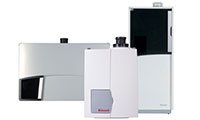
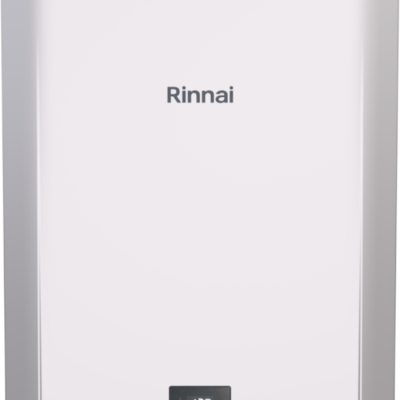
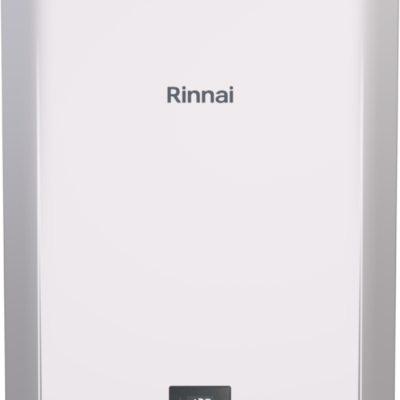
RXP tankless water heaters are high-efficiency condensing gas water heaters with a built-in recirculation pump, designed to produce domestic hot water on demand without storing a full tank of heated water. The category includes two capacities, allowing system selection around household hot-water demand, simultaneous fixture use, incoming-water temperature and the benefit of recirculation.
For Toronto and GTA homes, model selection should account for colder winter inlet water rather than relying only on a maximum flow rating. The greater the required temperature rise, the more heating capacity is needed for each litre of hot water delivered.
RXP160iN vs RXP199iN
The main choice within the RXP category is capacity. Both models are condensing, recirculation-capable units with a built-in pump, but the RXP199iN provides greater burner input and maximum flow for homes with higher simultaneous hot-water demand.
Choosing the Right RXP Model
Tankless water heater sizing is primarily a flow-rate and temperature-rise calculation. Count the fixtures that may operate together, estimate their combined flow and then determine how much the incoming water must be heated to reach the desired delivery temperature.
Simultaneous Hot-Water Demand
Two showers running together require more capacity than the same fixtures used separately. Size for realistic peak use rather than the total number of fixtures in the home.
Winter Temperature Rise
Colder incoming water requires more energy to reach the desired outlet temperature. This can reduce available flow during Toronto winters.
Recirculation Requirements
The built-in pump can make the RXP particularly relevant where reducing hot-water wait time is a priority, but piping layout and controls affect how recirculation should be configured.
Existing Gas Supply
Higher burner capacity creates substantial peak gas demand. Existing gas piping must be checked for the selected unit and the other gas appliances it serves.
Venting and Condensate
A condensing installation requires an approved vent arrangement and condensate drainage. Retrofit conditions can influence installation scope and cost.
Replacement Conditions
Replacing a storage tank or older tankless unit can require changes to gas, venting, water piping and condensate drainage rather than a simple appliance swap.
RXP160iN Tankless Water Heater
The RXP160iN has a maximum input of 160,000 BTU/h, a minimum input of 15,000 BTU/h and a maximum published domestic-hot-water flow of 9.0 GPM. Its 0.97 UEF places it in the high-efficiency condensing category.
The 160 model can be the more appropriate choice when its output satisfies the home's actual peak demand. Moving to the 199 model solely because it has a larger maximum number is unnecessary when simultaneous fixture demand and winter temperature rise fit within the 160 model's performance range.
RXP199iN Tankless Water Heater
The RXP199iN increases maximum input to 199,000 BTU/h and maximum published domestic-hot-water flow to 11.1 GPM. It has a minimum input of 15,000 BTU/h and a 0.98 UEF.
The additional burner capacity becomes useful when a household expects greater simultaneous demand or needs more output at a substantial temperature rise. It should still be selected from calculated demand rather than automatically chosen for every larger home.
Maximum GPM vs Real Hot-Water Capacity
A maximum GPM specification does not mean the water heater can always deliver that flow at every outlet temperature. Tankless output changes with the difference between incoming cold-water temperature and the required hot-water temperature.
This distinction is particularly important in Canada. A unit that produces high flow with warmer incoming water must work harder when winter inlet water is colder, so the available flow at the required outlet temperature can decrease.
Sizing From Maximum GPM Alone
A household selects a model because its maximum GPM exceeds the combined fixture rating. During colder weather, the greater temperature rise reduces available hot-water flow and simultaneous showers may not perform as expected. Sizing with winter inlet conditions helps prevent this mismatch.
How Toronto Winter Water Affects Tankless Performance
Toronto's seasonal inlet-water temperature makes temperature rise an important part of tankless water heater sizing. If incoming water becomes colder while the desired shower temperature stays the same, the appliance has to add more heat to every litre passing through it.
The practical consequence is that winter performance can become the sizing condition even if hot-water demand is similar throughout the year. Homes with several bathrooms or frequent simultaneous showers should pay particular attention to this calculation.
Built-In Recirculation Pump
The defining difference between RXP models and comparable RX models is the built-in recirculation pump. Recirculation can reduce the time spent waiting for hot water at distant fixtures by moving hot water through the plumbing system under controlled conditions.
This feature is most valuable where fixture distance creates noticeable delays. In a compact plumbing layout with short runs, the benefit may be smaller, so recirculation should be considered as part of the home's actual piping design rather than as a capacity upgrade.
Recirculation With and Without a Dedicated Return Line
Homes with a dedicated hot-water return line can use that piping as part of the recirculation system. Compatible installations without a dedicated return can use a thermal bypass arrangement that temporarily uses the cold-water line for circulation.
The two configurations do not provide exactly the same plumbing behaviour. Existing piping, fixture location and homeowner expectations should be reviewed before deciding how the built-in pump will be used.
RXP vs RX Tankless Water Heaters
RXP and RX models share the same condensing platform, while RXP models add a built-in recirculation pump. For homeowners comparing the two categories, recirculation requirements are therefore a more meaningful decision factor than simply choosing the model with more equipment inside the cabinet.
Condensing vs Non-Condensing Tankless Water Heaters
RXP models use condensing technology to recover additional heat from combustion exhaust, contributing to UEF ratings of 0.97 and 0.98. Non-condensing tankless systems generally reject hotter exhaust and can have different venting and condensate requirements.
The trade-off is installation design. A condensing unit requires condensate drainage, while its lower exhaust temperatures can support different approved venting approaches. For a replacement project, the existing vent system should not be assumed reusable simply because both appliances are tankless.
RXP Tankless vs Storage Tank Water Heater
An RXP heats domestic water as demand occurs rather than maintaining a large volume of stored hot water. This changes both hot-water behaviour and system sizing: a storage tank depends partly on stored volume and recovery rate, while a tankless system depends heavily on instantaneous burner capacity and temperature rise.
Tankless operation can provide extended hot-water production when demand remains within the unit's capacity, but it does not mean unlimited flow. If several fixtures collectively exceed available output, the system cannot maintain the same target temperature at unrestricted flow.
High-Efficiency Condensing Performance
The RXP160iN is rated at 0.97 UEF and the RXP199iN at 0.98 UEF. Both heat water only when there is demand rather than continuously maintaining a conventional storage tank at temperature.
Efficiency should still be considered alongside capacity and installation requirements. Selecting a high-efficiency model that is poorly matched to household demand or improperly configured for recirculation will not produce the best overall hot-water experience.
Natural Gas and Propane Options
RXP models can operate with natural gas or propane, giving the category flexibility for properties with different fuel supplies. Fuel type does not remove the need to verify gas pressure and piping capacity for the selected maximum burner input.
This is especially important during replacement. An existing gas line that served a lower-input storage water heater may not automatically be suitable for a high-input tankless appliance.
Indoor and Outdoor Installation
RXP units support indoor installation and can be adapted for approved outdoor installation configurations. In Toronto and the GTA, indoor installation is often the more practical approach because freezing conditions create additional considerations for exterior water-heating equipment.
Installation location should be selected around venting, gas supply, water piping, condensate drainage, service access and freeze protection rather than convenience alone.
RXP Tankless Water Heater Installation
Installing an RXP requires coordination of the gas supply, cold-water inlet, hot-water outlet, venting, condensate drain, electrical connection and recirculation configuration. The water heater uses 3/4-inch gas, cold-water and hot-water connections, with a separate condensate connection.
A tankless installation is therefore a system project rather than simply mounting the appliance on a wall. Existing infrastructure determines how much modification is required and can materially affect total installation cost.
Replacing a Storage Tank With an RXP
Converting from a conventional tank water heater can free floor space, but the replacement may require substantial infrastructure changes. Tankless appliances can have much higher instantaneous gas input than the storage tank they replace, and a condensing system also requires suitable venting and condensate disposal.
Hot-water expectations should be reviewed at the same time. A household accustomed to stored capacity needs to be sized around simultaneous flow and winter temperature rise after converting to tankless operation.
Treating Tankless Replacement as a Direct Swap
A storage water heater is removed and a tankless unit is selected without first checking gas capacity, vent routing or peak fixture demand. The project can then require unexpected piping changes or deliver less simultaneous winter hot-water flow than the household expected.
Replacing an Older Tankless Water Heater
Replacing an existing tankless unit may be simpler than converting from a storage tank, but existing connections should still be verified. Gas input, vent material, vent diameter, condensate drainage, water connections and recirculation requirements can differ between generations and models.
Do not select the replacement only by matching the old maximum BTU rating. Changes to bathrooms, fixtures, household size or hot-water usage can alter the capacity that now makes sense.
Gas Supply and Tankless Capacity
The RXP160iN can fire up to 160,000 BTU/h and the RXP199iN up to 199,000 BTU/h. Gas piping must support the selected appliance while accounting for other gas-fired equipment connected to the same system.
Pipe diameter alone does not determine adequate capacity. Pipe length, pressure, fittings and connected load are part of the sizing decision, so an existing line should be verified rather than assumed sufficient.
Venting and Condensate Planning
Because RXP models are condensing tankless water heaters, installation requires approved venting and a suitable route for condensate. Vent location can affect where the appliance can practically be installed, particularly in finished basements or mechanical rooms far from an exterior wall.
Condensate also needs reliable drainage. Selecting an appliance location without planning both systems can increase installation complexity and lead to unnecessary routing changes later.
Hard Water and Tankless Maintenance
Mineral scale can accumulate in a tankless water heater's water passages and heat exchanger, making water quality relevant to long-term performance. Periodic flushing is therefore an important maintenance consideration, with required frequency depending on water conditions and usage.
The RXP platform includes a quick-flush design intended to simplify service. This improves maintenance access, but it does not eliminate the need to address scale where water conditions make mineral accumulation a concern.
RXP Tankless Water Heater Cost
The total installed cost depends on more than the difference between the RXP160iN and RXP199iN. A project may include gas-line modifications, new venting, condensate drainage, water-piping changes, recirculation work, electrical requirements and removal of the existing water heater.
This makes installed scope more useful than comparing equipment prices alone. A straightforward replacement with compatible infrastructure can differ substantially from a storage-tank conversion that requires gas and venting upgrades.
When the RXP Series Is a Good Fit
RXP models are particularly relevant for homes that want high-efficiency tankless water heating and can benefit from integrated hot-water recirculation. The 160,000 and 199,000 BTU/h capacities provide options for different levels of household demand without changing the basic recirculation-focused design.
A different tankless configuration may make more sense when a built-in pump provides little benefit, while a storage-based system may deserve consideration when exceptionally high simultaneous demand is difficult to satisfy with one tankless unit.
RXP Selection Checklist
Before choosing between the two RXP models, verify the home's real peak demand and the installation conditions that affect performance. This avoids selecting capacity from maximum GPM or home size alone.
Choose the Right RXP Tankless Water Heater
- List the hot-water fixtures that are realistically used at the same time.
- Add their expected flow rates to establish peak simultaneous demand.
- Size for a realistic Toronto winter incoming-water temperature.
- Calculate the temperature rise required to reach the desired outlet temperature.
- Compare the resulting demand with the RXP160iN and RXP199iN capacities.
- Determine whether the built-in recirculation pump provides a meaningful benefit for the home's plumbing layout.
- Identify whether a dedicated recirculation return line already exists.
- Verify gas-line capacity for the selected maximum burner input.
- Confirm a suitable vent route and termination location.
- Plan condensate drainage before choosing the final installation location.
- Review water quality and future flushing requirements.
- For replacement projects, verify existing venting and connections rather than assuming they can be reused.
- Compare total installed scope rather than equipment price alone.
Choosing an RXP Tankless Water Heater in Toronto and the GTA
The RXP160iN and RXP199iN provide two capacity levels within a high-efficiency condensing platform with built-in recirculation. The 160 model reaches up to 9.0 GPM with a 0.97 UEF, while the 199 model reaches up to 11.1 GPM with a 0.98 UEF under rated conditions.
For Toronto and GTA homes, the final decision should be made from simultaneous hot-water demand and winter temperature rise, followed by checks for recirculation layout, gas capacity, venting, condensate drainage and replacement requirements. This produces a more reliable system choice than selecting the largest published flow rate by default.
FREE In-Home Estimate