

ComfortSense
Showing all 3 results
-
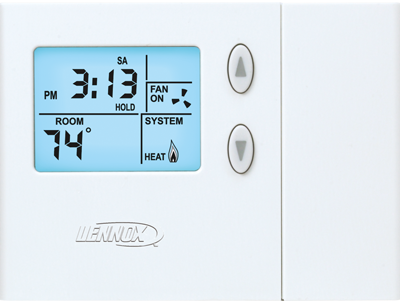
Lennox ComfortSense 3000 Series Thermostat
-
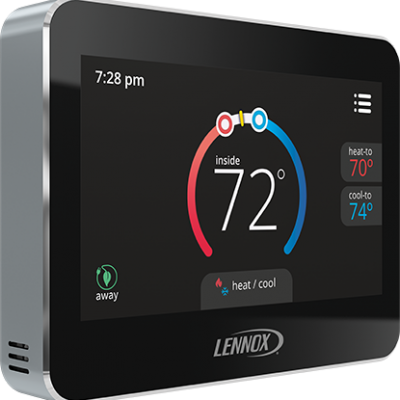
Lennox ComfortSense 5500 Series Thermostat
-
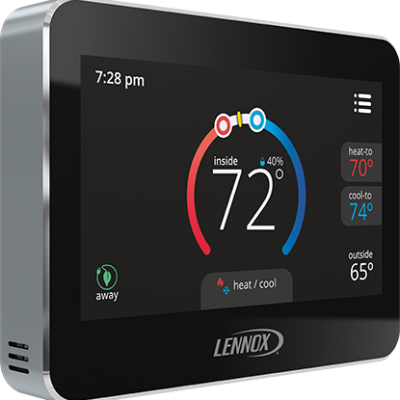
Lennox ComfortSense 7500 Series Thermostat
ComfortSense Programmable Thermostats for HVAC Control
ComfortSense thermostats are programmable HVAC controls designed to manage compatible heating and cooling equipment with scheduled temperature settings and straightforward system operation. Depending on the thermostat and HVAC configuration, control can include conventional heating and cooling, heat pumps, multi-stage operation, automatic changeover and humidity-related functions.
For Toronto and GTA homes, choosing the right control starts with HVAC compatibility rather than display style or programming features. The existing furnace, air conditioner or heat pump, number of heating and cooling stages, wiring and desired scheduling functions determine which type of thermostat is appropriate.
How to Choose a ComfortSense Thermostat
Different HVAC systems require different levels of thermostat control. Identifying the equipment configuration first helps avoid choosing a thermostat that cannot operate all available heating or cooling stages.
HVAC System Type
Confirm whether the home uses a conventional furnace and air conditioner, a heat pump or another compatible configuration. The thermostat must support the installed system type.
Heating and Cooling Stages
Single-stage and multi-stage systems have different control requirements. A thermostat with insufficient stage support can prevent the HVAC equipment from operating as intended.
Programming Schedule
Programmable controls can adjust temperatures around household routines. Choose scheduling flexibility that matches actual occupancy rather than paying for settings that will not be used.
Heat Pump Compatibility
Heat-pump systems can require additional control functions for heating stages and auxiliary heat. Compatibility should be confirmed before replacing an existing heat-pump thermostat.
Humidity Control
Some HVAC configurations can integrate humidity-related control. This matters when whole-home humidity equipment is part of the comfort system.
Wiring and Power
Existing thermostat wiring affects replacement options. System type and available conductors should be checked before selecting a new control.
Programmable Thermostat vs Smart Thermostat
Programmable and smart thermostats can both automate temperature changes, but they differ in connectivity and how much interaction occurs outside the thermostat itself. The better choice depends on whether scheduled control is sufficient or remote connectivity is genuinely useful.
Single-Stage vs Multi-Stage Thermostat Control
A single-stage HVAC system generally operates at one heating or cooling output, while multi-stage equipment can use different output levels as demand changes. The thermostat must provide the correct number and type of control outputs for the equipment.
Installing a thermostat that supports fewer stages than the HVAC system can limit how the equipment operates. Choosing a thermostat with additional capabilities also provides no practical benefit when the connected system cannot use them.
ComfortSense Thermostats for Furnaces and Air Conditioners
Conventional furnace and central air-conditioning systems can range from basic single-stage equipment to more advanced multi-stage configurations. Thermostat selection should match the actual equipment rather than assuming every furnace and air conditioner uses the same controls.
This becomes particularly important during replacement. An older thermostat may have been installed with previous equipment, so its capabilities should not automatically determine the correct control for a newer furnace or air conditioner.
ComfortSense Thermostats for Heat Pumps
Heat pumps require a thermostat designed to manage their specific heating and cooling sequence. Some systems also use auxiliary or supplemental heating, creating different control requirements from a conventional furnace and air conditioner.
For Toronto and GTA homes, heat-pump operation can span mild weather and colder winter conditions. Correct thermostat configuration is important so the available heating stages and supplemental heat operate as intended.
Dual-Fuel Thermostat Control
Dual-fuel systems combine a heat pump with another heating source and require control logic for changing between them. A compatible thermostat can manage this transition when the complete HVAC configuration supports dual-fuel operation.
A thermostat selected only because it supports a heat pump may not provide every control function needed for a dual-fuel installation. The entire heating system should therefore be identified before thermostat replacement.
7-Day vs 5-Day and 2-Day Programming
Programmable thermostats can offer different scheduling structures. A 7-day schedule provides more flexibility for households whose routines change throughout the week, while a weekday-and-weekend schedule can be simpler when Monday through Friday follow a consistent pattern.
More scheduling options do not automatically improve efficiency. The useful choice is the schedule homeowners will actually maintain, because an elaborate program that is frequently overridden can provide less practical value than a simple, predictable schedule.
Scheduled Setbacks and Temperature Recovery
A programmable thermostat can reduce heating or cooling demand during periods when the home does not require the normal occupied temperature. Recovery control can begin HVAC operation before the next scheduled period so the desired temperature is reached closer to the programmed time.
The appropriate setback depends on the HVAC system and household routine. Large temperature changes are not automatically the most efficient approach for every heat pump or multi-stage system, particularly when recovery causes supplemental heating or extended high-output operation.
Automatic Heating and Cooling Changeover
Automatic changeover allows a compatible thermostat to select heating or cooling as indoor conditions change. This can be useful during Toronto and GTA shoulder seasons when daytime and nighttime temperatures can require different modes.
Heating and cooling setpoints still need an appropriate separation. Poorly configured settings can cause unnecessary switching between modes instead of maintaining an efficient comfort range.
Thermostat Control and Indoor Humidity
Temperature and humidity both affect comfort, but a thermostat can only manage humidity when the HVAC system includes compatible equipment and controls. A humidity reading on the thermostat does not by itself mean the system can add or remove moisture.
When whole-home humidity equipment is installed, integrated control can simplify operation. If the home has a persistent humidity problem, however, the underlying HVAC capacity, ventilation and moisture conditions should also be evaluated rather than relying only on thermostat adjustments.
Thermostat Location Affects Temperature Control
The thermostat measures conditions at its installation location, so wall placement can affect when the HVAC system starts and stops. Direct sunlight, drafts, supply-air registers and unusual heat sources can cause the measured temperature to differ from conditions in the rest of the home.
A correctly selected thermostat installed in a poor location can still produce inconsistent comfort. Location should therefore be reviewed when replacement is prompted by temperature complaints rather than assuming the thermostat itself is defective.
When Thermostat Replacement Does Not Fix Comfort Problems
A thermostat controls the HVAC system, but it cannot correct every heating and cooling problem. Airflow restrictions, equipment sizing, insulation and duct distribution can all create comfort issues that remain after a new thermostat is installed.
A New Thermostat Is Installed for Uneven Room Temperatures
The thermostat is replaced because an upstairs room remains uncomfortable, but the actual problem is inadequate airflow to that room. The new control can operate the HVAC system correctly while the original temperature imbalance remains unresolved.
ComfortSense Thermostat Installation
Thermostat installation requires matching the control to the HVAC equipment, connecting the correct low-voltage wiring and configuring the thermostat for the system type. Installation becomes more involved with heat pumps, multi-stage systems, dual-fuel equipment and additional HVAC accessories.
Configuration is as important as the physical wiring. A thermostat can power on normally while still being set for the wrong equipment type or number of stages, resulting in incomplete or incorrect HVAC operation.
Replacing an Existing ComfortSense Thermostat
When replacing an existing thermostat, identify both the current control and the connected HVAC equipment before choosing the replacement. Older programmable controls may have different compatibility and wiring requirements from current thermostat options.
Replacing the thermostat with the newest or most feature-rich control is not automatically necessary. A straightforward programmable thermostat may remain appropriate when the HVAC equipment is conventional and remote connectivity is not required.
Replacing a Thermostat During an HVAC Upgrade
Furnace, air-conditioner or heat-pump replacement is a good time to reassess thermostat compatibility because the new equipment may use a different number of stages or control strategy. Keeping the old thermostat without checking its capabilities can limit how the replacement equipment is operated.
The opposite is also true: installing a more advanced thermostat than the equipment requires does not improve the mechanical efficiency of a basic HVAC system. The thermostat should be selected as part of the complete control design.
Thermostat Replacement vs HVAC Diagnosis
A blank display, temperature problem or equipment that does not start can appear to indicate thermostat failure, but the cause may be elsewhere in the HVAC system. Power problems, wiring faults, safety switches and equipment failures can produce similar symptoms.
Diagnosing the system before replacement helps avoid purchasing a new thermostat when the existing control is functioning correctly. Replacement makes more sense when the thermostat itself has failed, is incompatible with new equipment or no longer provides the required control functions.
Thermostat Cost and Installation Factors
Thermostat cost depends on control capability, display and programming features, HVAC compatibility and installation requirements. A basic replacement on conventional equipment generally involves fewer variables than a thermostat controlling a multi-stage heat pump or dual-fuel system.
Installed cost can also change when wiring needs modification or the HVAC configuration requires additional setup. Comparing thermostats by purchase price alone can therefore overlook the work needed to make the control operate correctly with the system.
Choosing ComfortSense Controls for Toronto and GTA Homes
Toronto and GTA homes experience substantial seasonal changes, making reliable heating and cooling control important throughout the year. Programmable scheduling can be useful for homes with predictable routines, while automatic changeover can add convenience during spring and fall temperature swings.
The local climate does not make one thermostat configuration correct for every home. Furnace type, heat-pump configuration, number of HVAC stages and household schedule remain the primary selection factors.
ComfortSense Thermostat Selection Checklist
Start with the HVAC equipment rather than the thermostat features. Once system compatibility is established, compare programming, display and comfort-control functions that will actually be useful in the home.
Choose the Right ComfortSense Thermostat
- Identify the furnace, air conditioner or heat pump connected to the thermostat.
- Confirm whether the HVAC equipment is single-stage or multi-stage.
- Verify heat-pump compatibility and supplemental-heating requirements where applicable.
- Check dual-fuel control requirements before replacing a thermostat on a hybrid heating system.
- Choose a programming structure that matches the household's actual weekly routine.
- Consider automatic changeover when seasonal temperature swings regularly require both heating and cooling.
- Confirm whether integrated humidity control is required for installed indoor air quality equipment.
- Check existing thermostat wiring and power requirements before selecting a replacement.
- Review thermostat location if temperature readings do not represent conditions in the occupied areas of the home.
- Do not assume thermostat replacement will correct ductwork, insulation or airflow problems.
- Confirm system configuration after installation so all available HVAC stages operate correctly.
- Reassess thermostat requirements whenever the furnace, air conditioner or heat pump is replaced.
Planning a ComfortSense Thermostat Replacement
A ComfortSense thermostat should be selected for the heating and cooling equipment it needs to control. System type, staging, heat-pump requirements, wiring and programming needs are more important than choosing the thermostat with the longest feature list.
For Toronto and GTA installations, confirming compatibility before replacement helps maintain dependable heating and cooling control through winter, summer and the changing conditions between seasons.
FREE In-Home Estimate