




Nest Thermostat E
Showing the single result
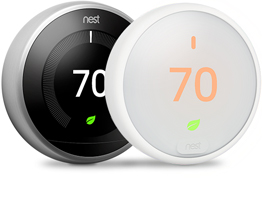
Nest E Smart Thermostat for Toronto & GTA Homes
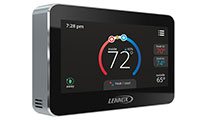
Nest E is a smart thermostat designed to control compatible 24V heating and cooling systems while adding scheduling, remote temperature adjustment, occupancy-based control, and smart-home features. It is best suited to relatively straightforward residential HVAC systems, so compatibility should be confirmed before installation or before replacing an existing thermostat.
For Toronto and GTA homeowners, the main decision is not simply whether a smart thermostat can control heating and cooling. The existing furnace, air conditioner, heat pump, number of equipment stages, thermostat wiring, and any accessories connected to the HVAC system determine whether Nest E is an appropriate fit.
Is Nest E Compatible With Your HVAC System?
Nest E works with many common residential heating and cooling configurations, but it does not support every system. This is especially important when upgrading a Toronto home with multi-stage equipment, a heat pump, auxiliary heat, or HVAC accessories.
Standard Furnace and AC
Homes with conventional low-voltage furnace and central air conditioning systems are generally simpler candidates, provided the number of heating and cooling stages matches the thermostat's available connections.
Heat Pump Systems
Nest E can work with compatible heat pumps and auxiliary or emergency heat, but the exact wiring configuration needs to be verified before replacement because heat pump controls differ from conventional furnace systems.
Multi-Stage Equipment
More advanced HVAC equipment may require additional thermostat terminals. If the system has multiple heating and cooling stages, another thermostat may provide better equipment compatibility.
C-Wire Availability
Many installations can operate without a dedicated common wire, but some HVAC systems require additional power wiring or a compatible power solution for reliable operation.
HVAC Accessories
Homes using humidifiers, dehumidifiers or other controlled accessories need extra attention because available thermostat terminals may limit how those accessories can be integrated.
Existing Thermostat Wiring
Wire colours alone should not determine compatibility. The terminal functions at the existing thermostat and HVAC control board should be identified before installation.
Nest E Features That Matter in Everyday Use
The value of Nest E comes from combining HVAC control with automated scheduling and remote access. These features are useful when they match how the household actually uses its heating and cooling system rather than being treated as technology for its own sake.
Remote Temperature Control
Homeowners can adjust compatible heating and cooling settings remotely instead of relying only on the thermostat mounted on the wall. This can be useful when schedules change or when temperature settings need to be checked while away from home.
Temperature Scheduling
Scheduled temperature changes can reduce unnecessary heating or cooling when a home is regularly unoccupied. The practical benefit depends on the household schedule, the building's heat loss and how aggressively temperatures are changed.
Home and Away Control
Occupancy-related features can help reduce HVAC operation when the home is empty. For Toronto homes, extreme setbacks during winter are not always desirable because the heating system must recover the indoor temperature when occupants return.
Remote Temperature Sensors
Compatible temperature sensors can allow the thermostat to use the temperature from another room. This can be valuable in two-storey homes where upstairs bedrooms, basements and main living areas often experience different temperatures.
Nest E vs Other Smart Thermostat Options
Nest E is an older smart thermostat design, so homeowners considering installation or replacement should compare it with newer options rather than evaluating it only against a conventional programmable thermostat. System compatibility is usually more important than cosmetic differences.
Should You Install Nest E on a Heat Pump?
Heat pump installations require more careful thermostat selection than many conventional furnace and air conditioner combinations. Nest E can control compatible heat pump systems, including configurations with auxiliary or emergency heat, but the wiring and operating stages need to match.
This becomes particularly important in the GTA, where a heat pump may need to operate across mild fall weather, freezing winter conditions and summer cooling. If the thermostat cannot correctly control the required compressor stages or backup heating equipment, the system may not operate as intended.
When a Thermostat Upgrade Can Create a Heating Problem
A homeowner replaces an existing heat pump thermostat without verifying the auxiliary heat and reversing-valve connections. The thermostat powers on and cooling may appear normal, but heating does not operate correctly when outdoor temperatures fall. Confirming the complete heat pump wiring configuration before installation helps avoid this type of seasonal failure.
Does Nest E Need a C-Wire?
Nest E was designed to work with many systems that do not have a dedicated common wire, but that does not mean every C-wire-free installation will operate reliably. The HVAC equipment and existing wiring determine how the thermostat receives power.
If the thermostat experiences repeated power problems, Wi-Fi interruptions, unexpected HVAC operation or battery-related issues, the power configuration should be evaluated rather than assuming the thermostat itself is defective. Installing an appropriate common-wire solution can provide more stable thermostat power where required.
Nest E for Furnaces and Central Air Conditioners
A common Toronto application is replacing a basic wall thermostat controlling a gas furnace and central air conditioner. For a straightforward compatible system, Nest E can provide smart scheduling and remote control without changing the furnace or air conditioner.
The limitation appears when the HVAC equipment has more stages or control functions than the thermostat can support. A premium two-stage or communicating HVAC system should not automatically be connected to a simpler thermostat simply because the wiring can be physically attached. Doing so may prevent the equipment from using some of the operating capability it was designed to provide.
Using Nest E With Multi-Stage HVAC Equipment
Nest E has fewer control terminals than more advanced thermostat models. It supports one primary heating stage, one primary cooling stage and an additional stage of either heating or cooling, so system configuration needs to be checked carefully.
For homeowners replacing an older thermostat, this matters because the existing HVAC system may have been upgraded while the wall thermostat remained relatively simple. Confirm the furnace, air conditioner or heat pump model and control requirements rather than relying only on the wires visible behind the thermostat.
Can Nest E Help With Uneven Temperatures?
A compatible remote temperature sensor can improve control when the thermostat location does not represent the room that matters most. For example, a thermostat installed on the main floor may reach its target temperature while an upstairs bedroom remains noticeably warmer or colder.
A sensor can make the selected room the temperature reference, but it cannot correct an underlying airflow problem. If one area receives too little conditioned air, changing the sensing location may simply cause the HVAC system to run longer while other areas become over-conditioned.
Sensor Problem or Airflow Problem?
If an upstairs bedroom is consistently cold during winter, selecting that room's temperature sensor may keep the furnace running longer. The bedroom may become more comfortable, but the main floor could become too warm. Large temperature differences should prompt an airflow and ductwork assessment rather than relying entirely on thermostat settings.
Nest E Replacement: When Should You Consider a Newer Thermostat?
Homeowners who already have a functioning Nest E do not necessarily need to replace it simply because newer thermostats are available. Replacement makes more sense when system requirements change, compatibility becomes limiting, reliability declines, or the HVAC equipment itself is being upgraded.
If you are installing a new furnace, air conditioner or heat pump, thermostat compatibility should be reviewed as part of the equipment selection. Keeping an older thermostat can sometimes limit staging, accessory control or advanced HVAC functions available from the new system.
What Affects Nest E Installation Cost?
The thermostat itself is only one part of installation cost. A direct replacement on a compatible low-voltage system is normally simpler than an installation requiring new thermostat wiring, a common wire, HVAC control-board changes or troubleshooting of existing wiring.
Cost can also change when a thermostat problem is actually being caused by the furnace, air conditioner, transformer, control board or wiring. Diagnosing the system before replacing parts can prevent paying for a new thermostat that does not solve the original problem.
Before Installing or Replacing Nest E
A short compatibility review can prevent most thermostat installation problems. The following checks are especially important when the home has a heat pump, multi-stage equipment or recently upgraded HVAC components.
Nest E Compatibility and Installation Checklist
- Identify whether the HVAC system uses a furnace and AC, heat pump, boiler or another configuration.
- Confirm how many heating and cooling stages the system requires.
- Check each existing thermostat wire by terminal function rather than colour alone.
- Determine whether a C-wire or another approved power solution is needed.
- Confirm auxiliary and emergency heating requirements for a heat pump system.
- Check whether the thermostat also needs to control a humidifier or other HVAC accessory.
- Review compatibility before replacing HVAC equipment while keeping the existing thermostat.
- Consider a newer thermostat if the HVAC system requires more control terminals or advanced functions.
Professional Nest E Installation in Toronto and the GTA
Professional installation is most useful when thermostat wiring is unclear, a C-wire needs to be added, the system uses a heat pump, or several HVAC stages and accessories need to be identified. The technician should confirm equipment compatibility before changing the thermostat rather than treating every thermostat replacement as the same wiring job.
For an existing Nest E, troubleshooting should also consider the complete HVAC system. A blank display, short cycling, intermittent heating or cooling, or unusual power behaviour can originate from thermostat wiring or from another HVAC component. Proper diagnosis helps determine whether the thermostat needs service, rewiring or replacement with a more suitable model.
FREE In-Home Estimate