



Côr Non-Wi-Fi
Showing all 2 results


Côr Non-Wi-Fi Thermostats for Programmable HVAC Control
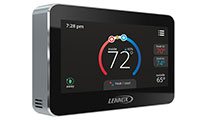
Côr Non-Wi-Fi thermostats are low-voltage HVAC controls designed for homeowners who want programmable temperature management without internet-based remote access. The category includes controls for compatible air conditioners, furnaces, heat pumps and hybrid heating systems, with options ranging from temperature-focused operation to more advanced humidity and ventilation management.
For Toronto and GTA homes, choosing between these thermostats should start with HVAC compatibility and the level of comfort control required. Heating and cooling stages, heat-pump operation, humidity equipment, available thermostat wiring and scheduling preferences can all affect which option is appropriate.
How to Choose a Côr Non-Wi-Fi Thermostat
The main differences within this category involve temperature versus humidity control, installation requirements and the HVAC functions that need to be managed. Comparing these factors before installation helps avoid paying for functions that are unnecessary or choosing a thermostat that cannot support the existing system.
HVAC Compatibility
Confirm whether the home uses a conventional furnace and air conditioner, a heat pump or a hybrid heating system. The thermostat must support the actual equipment configuration.
Temperature or Humidity Control
Some options focus on temperature control, while others can manage compatible humidity equipment. Choose the additional capability only when the HVAC system can use it.
Heating and Cooling Stages
Multi-stage equipment requires suitable thermostat support. A mismatch can prevent the system from using its available heating or cooling stages as intended.
Programming Flexibility
Programmable schedules can automatically change temperatures around home, away and sleep periods. They provide the most value when household routines are reasonably predictable.
Wiring Requirements
These thermostats require HVAC system power rather than relying on batteries for normal operation. Existing wiring should be checked before choosing a replacement.
Connected Accessories
Humidity, ventilation, remote sensing and zoning requirements can change which thermostat configuration is suitable. Review these components before replacing the existing control.
Temperature Control vs Temperature and Humidity Control
The most useful comparison within the category is not simply screen design or appearance. Homeowners should determine whether they need straightforward programmable temperature control or a thermostat capable of managing additional indoor comfort functions.
7-Day, 5/2-Day and 1-Day Thermostat Programming
Côr Non-Wi-Fi thermostats provide multiple scheduling approaches, allowing homeowners to use different daily schedules or group days together. The better programming method depends on how much household occupancy changes through the week.
A seven-day schedule provides greater day-by-day control, while a 5/2-day arrangement can be easier to maintain when weekdays follow one routine and weekends follow another. More scheduling flexibility does not automatically reduce energy use; the programmed temperatures and actual household routine determine whether setbacks are useful.
Two or Four Temperature Periods Per Day
Programmable schedules can be organized around two or four daily periods. Four periods provide more control around changing occupancy, while two periods can be easier for households that mainly need one occupied and one setback temperature.
Adding unnecessary schedule changes can make the thermostat harder to manage without producing a meaningful comfort benefit. The simplest schedule that reflects the household's real routine is generally easier to maintain.
Smart Setback and Temperature Recovery
Smart setback functionality can help the thermostat manage scheduled temperature changes more effectively than relying only on abrupt manual adjustments. This is useful when the goal is to reach the desired temperature around a planned occupancy period.
Setbacks still need to suit the heating system. Large temperature changes can affect recovery differently on furnaces and heat pumps, particularly when a heat pump has supplemental heating available.
Côr Non-Wi-Fi Thermostats for Furnaces and Air Conditioners
For conventional furnace and central air-conditioning systems, thermostat selection should account for the number of heating and cooling stages as well as desired scheduling functions. Compatible multi-stage control can help the equipment use available stages rather than treating every comfort call as identical.
A more advanced thermostat does not increase the furnace or air conditioner's rated efficiency by itself. Its contribution comes from correct staging, scheduling and control, making equipment compatibility more important than choosing features solely for their convenience.
Côr Non-Wi-Fi Thermostats for Heat Pumps
Heat-pump installations require a thermostat configured for heat-pump operation, including the appropriate compressor stages and supplemental heat where applicable. This makes thermostat selection more involved than replacing a basic furnace control.
For Toronto and GTA homes, correct heat-pump configuration is particularly important because heating demand changes significantly from mild fall weather to colder winter conditions. The thermostat needs to manage the installed system correctly across that operating range.
Hybrid Heating System Control
Côr Non-Wi-Fi thermostats can support compatible hybrid heating configurations that combine a heat pump with another heating source. These systems require more control coordination than a conventional furnace and air conditioner because the heating sources need to operate under an appropriate control strategy.
Homeowners should confirm hybrid-system compatibility specifically rather than relying only on general heat-pump compatibility. Choosing the wrong thermostat can create control limitations even when basic heating and cooling still appear to function.
Humidity Control for Toronto Homes
Humidity-capable configurations can manage compatible humidification and dehumidification equipment in addition to temperature. This can be useful in the GTA, where indoor comfort concerns can shift from dry heated air during winter to higher moisture levels during warm weather.
Humidity control only provides value when compatible HVAC equipment or accessories can actually add or remove moisture. A thermostat that displays humidity does not by itself humidify or dehumidify the home.
Ventilation and Airflow Control
More advanced configurations can work with compatible ventilation and airflow functions. This may be useful when the thermostat is expected to coordinate more than basic heating and cooling.
Before selecting this level of control, identify the accessories already installed. Choosing additional thermostat capability without compatible ventilation or airflow equipment adds complexity without changing system performance.
Auto Changeover Between Heating and Cooling
Automatic changeover allows a compatible thermostat to switch between heating and cooling when indoor conditions require it. This can be practical during Toronto and GTA spring and fall weather when daytime and overnight temperatures differ substantially.
The heating and cooling setpoints should still maintain a sensible separation. Poor settings can cause unnecessary switching rather than maintaining a stable comfort range.
Programmable Fan and Air Circulation
Fan operation can be coordinated with scheduled periods, allowing homeowners to decide when additional air circulation is useful. This can help distribute conditioned air, but running the fan more frequently also increases blower operating time.
Additional circulation should not be used as a substitute for correcting major air-distribution problems. If a room receives inadequate supply airflow, longer fan operation may not address the underlying duct or balancing issue.
Côr Non-Wi-Fi vs Wi-Fi Thermostats
The main trade-off is local control versus internet-connected convenience. Both thermostat types can provide programmable HVAC control, but Wi-Fi models add remote access and connected functions that may not be necessary for every household.
When Non-Wi-Fi Is the Better Fit
A non-Wi-Fi thermostat can be a practical choice when homeowners want scheduled temperature control but do not need to adjust the HVAC system from a phone or other remote device. It also avoids making internet connectivity part of the thermostat's feature set.
The trade-off is losing remote access and other connected functions. Homeowners who frequently travel, manage a second property or regularly change schedules while away may find a Wi-Fi thermostat more useful.
Thermostat Wiring and Power Requirements
Côr Non-Wi-Fi thermostats use low-voltage HVAC system power and require the appropriate power connections for operation. This differs from simple battery-powered thermostats that may operate with fewer available conductors.
Existing wiring should therefore be inspected before a replacement is selected. A thermostat can be appropriate for the HVAC equipment but still require wiring changes or an installation accessory at the wall.
When Existing Wiring Changes the Replacement Plan
Older homes may have limited thermostat wiring even when the heating and cooling equipment can support a more capable control. Wiring should be considered together with HVAC compatibility rather than after the thermostat has already been purchased.
A New Thermostat Is Selected Before the Wall Wiring Is Checked
The chosen control supports the furnace and air conditioner, but the existing thermostat cable does not provide the required power connection. Installation then requires an additional wiring solution, changing what appeared to be a straightforward thermostat replacement.
Two-Wire Installation Considerations
Some configurations can accommodate limited wall wiring through an appropriate installation solution. This can be useful in homes where replacing the thermostat cable would be difficult, but it should not be assumed that every two-wire installation is automatically compatible.
The HVAC equipment, required control functions and available installation components should be reviewed together. Preserving old wiring can reduce disruption, but not when doing so prevents the system from being controlled correctly.
Remote Sensors and Zoning Compatibility
Compatible configurations can incorporate remote temperature sensing or work with suitable zoning controls. These options can help when the HVAC system needs information from another area or already uses separate comfort zones.
A remote sensor or zoning panel should not be added simply because one room is uncomfortable. Duct restrictions, insulation problems and poor air balancing can create room-level temperature differences that thermostat accessories cannot correct.
When a Thermostat Upgrade Does Not Fix Uneven Comfort
A thermostat can improve control of compatible HVAC equipment, but it cannot correct every temperature problem in the home. Understanding this limitation can prevent unnecessary replacement when the real issue is elsewhere in the system.
The Thermostat Reaches Setpoint but an Upstairs Bedroom Stays Too Warm
Replacing the thermostat adds better programming, but the bedroom remains uncomfortable because the problem is inadequate airflow or excess heat gain. Lowering the thermostat further can overcool other rooms without solving the original issue.
Côr Non-Wi-Fi Thermostat Installation
Installation requires matching the thermostat to the HVAC equipment, connecting the correct low-voltage wiring and configuring the system for the available heating and cooling stages. Heat pumps, hybrid systems and humidity-control equipment require additional attention during setup.
Correct configuration is as important as mounting and wiring the thermostat. A control may power on and operate basic heating or cooling while still being incorrectly configured for staging or accessories.
Replacing an Existing Côr Non-Wi-Fi Thermostat
Replacement should begin by identifying the furnace, air conditioner or heat pump connected to the existing thermostat. The required control functions may have changed if HVAC equipment has been replaced since the original thermostat was installed.
A similar-looking thermostat is not necessarily an equivalent replacement. Stage support, heat-pump configuration, humidity management, wiring and accessories should be compared before choosing the new control.
Thermostat Replacement During an HVAC Upgrade
Replacing a furnace, air conditioner or heat pump is a good time to reassess thermostat compatibility. New equipment may introduce different staging, heat-pump or accessory-control requirements.
Keeping the existing thermostat can be sensible when it supports every required function. Replacing it becomes more important when the old control cannot operate the new equipment as intended or when the household needs a different level of comfort management.
Thermostat Replacement vs HVAC Diagnosis
A blank display, inaccurate comfort or equipment that does not start can resemble a thermostat failure, but wiring, power and HVAC equipment problems can produce similar symptoms. Diagnosis should come before replacement when the cause is uncertain.
A new thermostat is appropriate when the existing control has failed, no longer supports the HVAC system or lacks functions that are actually required. Replacing a working thermostat will not repair a furnace, air conditioner or heat pump fault elsewhere in the system.
Côr Non-Wi-Fi Thermostat Cost and Installation Factors
The installed cost depends on the thermostat's control capabilities, existing wiring and HVAC configuration. A straightforward temperature-control replacement can require less work than an installation involving humidity management, heat-pump staging, hybrid heating or limited wall wiring.
Comparing device price alone can therefore be misleading. The better value is the thermostat that provides the required HVAC functions without unnecessary features or avoidable installation modifications.
Côr Non-Wi-Fi Thermostats for Toronto and the GTA
Toronto and GTA homes move through long heating periods, summer cooling demand and shoulder seasons that can require both modes within a short time. Programmable schedules and automatic changeover can help manage these seasonal changes without requiring Wi-Fi connectivity.
Humidity-capable control may also be useful where compatible whole-home humidity equipment is installed. The final thermostat choice should still be determined by the home's HVAC configuration rather than climate features alone.
Côr Non-Wi-Fi Thermostat Selection Checklist
Start with the heating and cooling equipment, then decide how much scheduling and indoor comfort control the household needs. This keeps the selection focused on useful functions rather than choosing a thermostat simply because it has more features.
Choose the Right Côr Non-Wi-Fi Thermostat
- Identify the furnace, air conditioner or heat pump connected to the thermostat.
- Confirm the required heating and cooling stages.
- Verify heat-pump and supplemental-heating requirements where applicable.
- Check hybrid heating compatibility when a heat pump and furnace work together.
- Decide whether temperature-only control or temperature and humidity management is required.
- Identify humidification, dehumidification or ventilation equipment that needs thermostat control.
- Choose a programming format that reflects the household's actual weekly routine.
- Determine whether two or four daily temperature periods provide the more practical schedule.
- Check the existing low-voltage wiring and HVAC power connections before installation.
- Review installation options when only limited thermostat wiring is available.
- Identify existing remote sensors or zoning equipment before replacing the thermostat.
- Do not expect thermostat replacement to correct ductwork, insulation or airflow problems.
- Decide whether remote Wi-Fi access would provide enough value to justify choosing a connected alternative.
- Recheck thermostat compatibility whenever major HVAC equipment is replaced.
Planning a Côr Non-Wi-Fi Thermostat Installation
Côr Non-Wi-Fi thermostats are best suited to compatible HVAC systems where homeowners want programmable local control without making Wi-Fi connectivity part of everyday comfort management. The key choice is the level of HVAC control required, particularly for heat pumps, hybrid heating, humidity management and multi-stage equipment.
For Toronto and GTA installations, confirming the equipment, wiring and required comfort functions before replacement helps ensure the thermostat provides the right balance of straightforward operation and HVAC system control.
FREE In-Home Estimate