



Infinity
Showing all 2 results
-
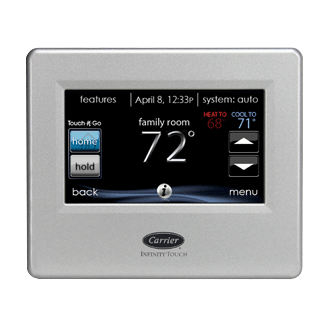
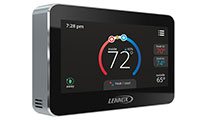
Carrier Infinity Touch Control Thermostats – SYSTXCCITN01-A
-
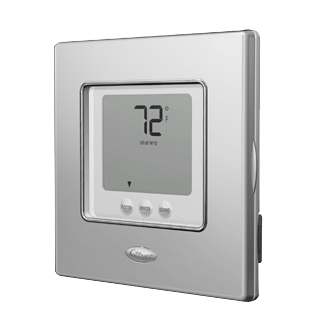
Carrier Performance Edge Touch-N-Go Thermostat – TP-NAC01-A
Non Wi-Fi Infinity Thermostats for Communicating HVAC Systems
Non Wi-Fi Infinity thermostats are communicating HVAC controls designed to operate compatible Infinity heating and cooling systems without relying on a home Wi-Fi connection for everyday system control. They can coordinate compatible equipment, programming, airflow, humidity, ventilation and zoning while keeping primary comfort control at the wall thermostat.
For Toronto and GTA homes, this category is most relevant when an existing communicating system needs a compatible non-Wi-Fi thermostat or when internet-based remote access is not required. Equipment compatibility, system generation, zoning, heat-pump configuration and connected HVAC accessories should all be checked before installation or replacement.
How to Choose a Non Wi-Fi Infinity Thermostat
The absence of Wi-Fi is only one selection factor. The more important decision is whether the thermostat can communicate correctly with the complete HVAC system and preserve the functions the installed equipment is designed to use.
Communicating Compatibility
Confirm the indoor and outdoor HVAC equipment before selecting a thermostat. Infinity communicating controls are not interchangeable with every conventional thermostat.
Non Wi-Fi Operation
Choose non-Wi-Fi control when local thermostat operation is preferred and remote internet access is unnecessary. Removing Wi-Fi does not mean giving up the core communicating HVAC functions supported by the system.
Variable-Capacity Equipment
Compatible communicating control can coordinate advanced equipment operation. Replacing it with an unsuitable conventional thermostat can affect how variable or multi-stage equipment is controlled.
Heat Pump and Dual Fuel
Heat pumps and hybrid heating configurations can require specific control logic. The complete heating system should be identified before a thermostat is replaced.
Zoning Requirements
Zoned systems require compatible controls, sensors and damper components. A replacement thermostat should preserve the existing zoning architecture where applicable.
Existing Accessories
Ventilation, humidity control and other connected HVAC accessories can affect thermostat selection. Confirm what the existing control manages before changing it.
Non Wi-Fi Infinity vs Wi-Fi Infinity Thermostats
Both thermostat types can serve as communicating system controls when matched to compatible equipment. The primary difference is connected access, so homeowners should decide whether remote internet features are worth prioritizing without overlooking HVAC compatibility.
Non Wi-Fi Does Not Mean a Basic Thermostat
A non-Wi-Fi Infinity thermostat should not be confused with a basic non-programmable thermostat. Its purpose is to provide communicating system control without making internet connectivity a requirement for normal heating and cooling operation.
This distinction matters when comparing replacement options. A less expensive conventional thermostat may also work without Wi-Fi, but it may not provide the communication architecture required to preserve advanced functions in a compatible Infinity system.
Communicating Control for Variable HVAC Equipment
Compatible communicating equipment can exchange operating information with the system control instead of relying only on conventional heating and cooling calls. This allows the control strategy to coordinate available stages, capacity and airflow more closely with system demand.
The thermostat should therefore be considered part of the HVAC system rather than an independent accessory. Replacing a communicating control solely to obtain a simpler wall thermostat can involve a larger control-system change than expected.
Non Wi-Fi Infinity Thermostats for Heat Pumps
A compatible Infinity thermostat can manage heat-pump operation as part of the communicating system. Heat pumps may require coordination of compressor operation, airflow and supplemental heating rather than the simpler control sequence used by a basic furnace and air conditioner.
This is especially relevant in Toronto and the GTA, where heat pumps can operate through mild shoulder seasons and colder winter conditions. The thermostat must match the actual equipment configuration so the available heating stages and backup heat are controlled correctly.
Non Wi-Fi Infinity Thermostats for Dual-Fuel Systems
Dual-fuel systems combine a heat pump with another heating source and require a control strategy for using the two systems appropriately. A compatible communicating thermostat can be an important part of that configuration.
General heat-pump compatibility should not be treated as proof that any thermostat can manage a dual-fuel installation. Before replacement, the furnace, heat pump and existing control architecture should be reviewed together.
Non Wi-Fi Infinity Thermostats and HVAC Zoning
Compatible Infinity zoning can divide a home into multiple temperature-control areas using zone sensors, dampers and a central system control. This can be valuable in multi-level homes where different areas have genuinely different heating and cooling loads.
Zoning is not a substitute for correcting poor duct design or inadequate airflow. If one room is uncomfortable because it receives too little conditioned air, adding another zone or sensor may change system response without solving the underlying distribution problem.
Single-Zone vs Zoned Infinity Control
A single-zone system is generally appropriate when one thermostat location represents the home's comfort conditions reasonably well. Zoning becomes more relevant when separate areas consistently require different amounts of heating or cooling.
Before replacing a thermostat on a zoned system, identify the existing zone-control components and sensors. Choosing a replacement without accounting for them can affect more than the main thermostat and may disrupt the home's existing comfort strategy.
Temperature, Humidity and Airflow Management
Compatible communicating systems can coordinate temperature with airflow and humidity-related functions. This can provide more integrated comfort than a thermostat that controls only basic heating and cooling calls.
The thermostat cannot create functions that the HVAC equipment does not support. If humidity management is important, confirm the installed equipment and accessories rather than selecting a control simply because humidity information can be displayed.
Ventilation Control and Connected HVAC Accessories
A compatible system can integrate certain ventilation and indoor air quality accessories into the overall control strategy. This can reduce the need for separate controls when the installed components are designed to work together.
Accessory compatibility should be checked before thermostat replacement. A control that operates the furnace and air conditioner successfully may still be an incomplete replacement if it cannot manage an existing ventilation or humidity-control component.
Programming Without Wi-Fi
Non-Wi-Fi does not prevent programmable temperature control. Compatible controls can provide scheduled comfort settings directly at the thermostat, allowing heating and cooling changes around periods such as home, away and sleep.
Scheduling should match the HVAC equipment as well as the household routine. Large setbacks are not automatically the best strategy for every heat pump or variable-capacity system, particularly when recovery creates extended high-output operation or increased supplemental heat use.
Why Choose a Non Wi-Fi Thermostat?
A non-Wi-Fi Infinity thermostat can make sense when homeowners want communicating HVAC control but do not need app-based access, cloud-connected features or remote temperature changes. Local control can also be preferable when the home has unreliable Wi-Fi coverage near the thermostat.
However, choosing non-Wi-Fi solely to reduce complexity should not mean downgrading the system's HVAC control capability. The goal is to remove unnecessary connectivity while preserving the communication functions required by the equipment.
When a Conventional Non-Wi-Fi Thermostat Is Not Equivalent
Two thermostats can both operate without Wi-Fi while using fundamentally different HVAC control methods. A conventional thermostat should therefore not be assumed to be a direct replacement for a communicating Infinity control.
A Basic Non-Wi-Fi Thermostat Is Chosen as a Direct Replacement
The homeowner wants to eliminate internet-connected features and selects a basic conventional thermostat. The existing HVAC system relies on communicating control, so changing thermostats may require additional control modifications and can affect access to advanced equipment functions.
Replacing an Older Non Wi-Fi Infinity Thermostat
Older Infinity controls should be replaced by evaluating the entire communicating system rather than matching only the thermostat name or appearance. Indoor equipment, outdoor equipment, zoning components, sensors and accessories can all influence the correct replacement path.
This is particularly important when the original thermostat is no longer readily available. A newer control may not be a simple one-for-one replacement for every previous system generation, so compatibility should be confirmed before purchasing or installing it.
Do Not Select an Infinity Replacement by Wiring Alone
Communicating controls use their wiring as part of a larger equipment communication architecture. The number or colour of wires behind the thermostat does not provide enough information to confirm whether a different thermostat will preserve system functionality.
The New Thermostat Powers Up but Advanced Functions Are Missing
A replacement is chosen because the available wiring appears suitable. Basic operation is restored, but the original system used communicating functions that were not considered during selection, resulting in a more complicated conversion or loss of integrated control features.
Non Wi-Fi Infinity Thermostat Installation
Installation requires correct connection and configuration of the thermostat with the compatible HVAC equipment. The setup may also need to account for heat-pump operation, zoning, airflow settings and connected accessories.
Correct configuration matters as much as the physical installation. A control that powers on is not necessarily configured properly for every component in the system, especially after equipment or thermostat replacement.
Installing a Thermostat During Infinity HVAC Replacement
When a furnace, fan coil, air conditioner or heat pump is replaced, the existing thermostat should be reviewed as part of the project. New equipment may have different control requirements or compatibility from the components being removed.
Keeping an older non-Wi-Fi control can make sense when it remains fully compatible. If it cannot support the replacement equipment properly, retaining it simply to avoid changing the wall control can restrict the new system's intended operation.
Thermostat Replacement vs System Diagnosis
A blank thermostat, communication problem or HVAC system that fails to operate does not automatically indicate a failed wall control. Wiring, equipment power and faults elsewhere in the communicating system can produce similar symptoms.
Diagnosis is important before replacement because installing another thermostat will not correct an equipment or communication fault elsewhere in the system. The control should be replaced when testing identifies it as the problem or when system changes require a different compatible thermostat.
Non Wi-Fi Infinity Thermostat Cost
Replacement cost depends on the thermostat, system generation, HVAC configuration and installation requirements. A direct compatible replacement can involve fewer changes than converting the system to another type of thermostat control.
Purchase price alone can therefore be misleading when comparing alternatives. A conventional thermostat may cost less as a device but require additional equipment or control modifications if the existing system relies on communicating functions.
Non Wi-Fi Infinity Thermostats for Toronto and GTA Homes
Toronto and GTA homes can require heating, cooling and humidity management across very different seasonal conditions. A communicating thermostat can coordinate compatible HVAC operation through these changes without requiring Wi-Fi for primary local comfort control.
The category is most suitable when the home already has or is installing compatible Infinity equipment and remote internet access is not a priority. For conventional HVAC equipment, a simpler non-Wi-Fi thermostat may provide the necessary control without the specialized communicating architecture.
Non Wi-Fi Infinity Thermostat Selection Checklist
Start by confirming the existing HVAC system and the functions currently handled by its thermostat. This helps distinguish a genuine non-Wi-Fi Infinity replacement from a conventional thermostat that happens to operate without internet connectivity.
Plan the Right Non Wi-Fi Infinity Thermostat
- Identify the indoor and outdoor HVAC equipment before selecting a replacement thermostat.
- Confirm that the system uses compatible communicating control.
- Determine whether the current thermostat manages variable or multi-stage equipment.
- Verify heat-pump and supplemental-heating requirements where applicable.
- Review dual-fuel control requirements before changing the thermostat.
- Identify existing zoning controls, dampers and room sensors.
- Check humidity and ventilation accessories currently integrated with the control.
- Decide whether remote internet access is genuinely necessary.
- Do not assume a conventional non-Wi-Fi thermostat is an equivalent replacement.
- Do not choose a replacement solely from the existing thermostat wiring.
- Confirm compatibility when replacing an older-generation Infinity control.
- Review thermostat requirements whenever major HVAC equipment is replaced.
- Diagnose communication or equipment faults before replacing the wall control.
- Compare total installation requirements rather than thermostat purchase price alone.
Planning a Non Wi-Fi Infinity Thermostat Replacement
A Non Wi-Fi Infinity thermostat is most appropriate when a compatible communicating HVAC system needs advanced local control without internet-based remote access. The right replacement should preserve the equipment communication, programming, zoning and accessory functions that are actually used in the home.
For Toronto and GTA installations, confirming the complete HVAC configuration before thermostat replacement helps avoid unnecessary control conversions and keeps compatible heating and cooling equipment operating as intended.
FREE In-Home Estimate