



Côr Wi-Fi
Showing all 3 results
-

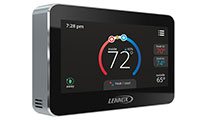
Carrier Côr 5C Wi-Fi Thermostat – TSTWHA01
-

Carrier Côr 7C Wi-Fi Thermostat – TSTWRH01
-

Carrier Côr Wi-Fi Thermostat – TP-WEM01-A
Côr Wi-Fi Thermostats for Connected HVAC Control
Côr Wi-Fi thermostats are connected HVAC controls designed to manage compatible heating and cooling systems through programmable schedules, remote temperature access and energy-use information. They use conventional HVAC control architecture rather than the communicating control platform required by some advanced variable-capacity systems, making equipment compatibility the first consideration when choosing or replacing one.
For Toronto and GTA homes, these thermostats can be useful when homeowners want Wi-Fi access and programmable comfort control for a compatible furnace, air conditioner or heat pump. Before installation, the HVAC system, heating and cooling stages, wiring, humidity-control requirements and any dual-fuel configuration should be checked.
How to Choose a Côr Wi-Fi Thermostat
The right thermostat depends on more than Wi-Fi connectivity. These selection factors determine whether the control can operate the HVAC system properly and whether its connected features will provide practical value.
HVAC Compatibility
Confirm the furnace, air conditioner or heat pump configuration before choosing the thermostat. Conventional and communicating HVAC systems can require different controls.
Heating and Cooling Stages
The thermostat must support the stages required by the installed equipment. Incorrect stage support can prevent the HVAC system from operating as designed.
Wi-Fi Remote Access
Connected control is useful when temperature and schedules need to be adjusted away from the thermostat. Remote functions depend on a suitable home network and internet connection.
Programming
Programmable scheduling can reduce unnecessary heating and cooling during predictable unoccupied periods. The schedule should suit the HVAC system as well as the household routine.
Humidity Control
Compatible configurations can support humidity-related control. This matters when whole-home humidity equipment is already installed or planned.
Replacement Requirements
When replacing an existing thermostat, check the wiring and HVAC equipment before selecting the new control. Physical wiring alone does not confirm complete system compatibility.
Côr Wi-Fi Thermostat vs a Communicating Thermostat
A Wi-Fi thermostat and a communicating system control can both offer connected comfort features, but they do not interact with HVAC equipment in the same way. This difference matters most when the heating and cooling system uses advanced communicating or variable-capacity technology.
Côr Wi-Fi Thermostats for Furnaces and Air Conditioners
These thermostats can control compatible conventional furnace and central air-conditioning systems while adding connected scheduling and remote access. The number of heating and cooling stages still needs to match the thermostat configuration.
A Wi-Fi upgrade does not increase the mechanical efficiency of the furnace or air conditioner by itself. Its practical value comes from better control of schedules and settings, so households with predictable routines may benefit differently from households that already maintain steady temperatures throughout the day.
Côr Wi-Fi Thermostats for Heat Pumps
Heat-pump compatibility requires more than confirming that a thermostat has heating and cooling modes. Depending on the HVAC configuration, the thermostat may need to manage multiple stages and supplemental heating.
This is particularly relevant in Toronto and the GTA, where heat pumps can operate through substantial seasonal temperature changes. The thermostat should be configured for the actual heat-pump system so heating stages and backup heat are controlled correctly.
Côr Wi-Fi Thermostats for Dual-Fuel Systems
Some compatible configurations can control a heat pump paired with a furnace as a dual-fuel heating system. This arrangement requires more coordination than a basic furnace and air-conditioner combination because the system must determine how the two heating sources are used.
Homeowners replacing a thermostat on a dual-fuel system should verify this capability specifically. General heat-pump compatibility does not automatically confirm that every hybrid heating configuration will operate correctly.
7-Day Programming and Temperature Scheduling
Programmable scheduling allows different comfort settings to be established around household routines. A flexible weekly schedule can be useful when weekday and weekend occupancy patterns differ or when temperature preferences change throughout the day.
More aggressive setbacks do not automatically produce better results. Heat pumps and multi-stage HVAC systems can respond differently to large temperature changes, so scheduling should consider equipment operation as well as the amount of time the home is unoccupied.
Remote Thermostat Control Over Wi-Fi
Wi-Fi connectivity allows compatible remote access to temperature and scheduling functions from connected devices. This can be useful when plans change, when a home is temporarily vacant or when homeowners want to check settings without being at the thermostat.
Remote access should be treated as a convenience layer over proper HVAC control. If the thermostat is not compatible with the underlying equipment, Wi-Fi features cannot compensate for an incorrect system configuration.
Energy Reports and Smart Setbacks
Côr Wi-Fi thermostat features can provide information about HVAC energy use and support smarter setback decisions. This can help homeowners see how changes in schedules and temperature settings affect heating and cooling operation.
Energy reports should be interpreted in context. Toronto weather, occupancy, building insulation, thermostat settings and HVAC condition can all change energy consumption, so an increase in reported use does not automatically indicate a thermostat or equipment problem.
Humidity Control With a Côr Wi-Fi Thermostat
Compatible thermostat configurations can incorporate humidity sensing and control functions when the HVAC system includes the necessary equipment. This can simplify comfort management in homes using whole-home humidity control.
The thermostat cannot add or remove moisture by itself. A humidity reading on the screen does not mean the home has active humidification or dehumidification, so the connected HVAC accessories must be considered when evaluating this feature.
Automatic Heating and Cooling Changeover
Automatic changeover can allow the thermostat to move between heating and cooling when indoor conditions require it. This can be useful during Toronto and GTA spring and fall weather, when daytime and overnight temperatures can vary substantially.
The heating and cooling setpoints still need appropriate separation. Poorly chosen settings can cause unnecessary mode changes instead of maintaining a practical comfort range.
Thermostat Location Still Matters
A connected thermostat still relies on the temperature conditions at its installed location. Direct sunlight, drafts, supply registers or nearby heat sources can cause the thermostat to sense conditions that do not represent the rest of the home.
If thermostat replacement is being considered because rooms feel consistently too warm or too cold, installation location and HVAC airflow should be reviewed first. A new Wi-Fi thermostat will not correct a temperature imbalance caused by ductwork or building-envelope problems.
When a Wi-Fi Thermostat Does Not Solve the Comfort Problem
Connected controls can improve scheduling and access, but they cannot repair mechanical or airflow problems. Identifying the actual cause of poor comfort helps avoid replacing a working thermostat unnecessarily.
A Wi-Fi Thermostat Is Installed to Fix an Overheating Bedroom
The thermostat provides better scheduling and remote control, but the bedroom continues to overheat because the underlying issue is airflow distribution. Repeatedly changing thermostat settings can make other areas uncomfortable without correcting the room-level problem.
Côr Wi-Fi Thermostat Installation
Installation requires correct low-voltage wiring, suitable power and configuration for the connected HVAC equipment. The setup should identify the system type, available heating and cooling stages and any heat-pump or humidity-control functions.
Professional installation becomes more important when the system includes multiple stages, a heat pump, dual-fuel heating or HVAC accessories. A thermostat can turn on and appear functional even when its equipment configuration is incomplete.
Wi-Fi Setup Is Part of the Installation
After the HVAC connections are configured, the thermostat's network connection must also be established for remote features. Home-network compatibility and reliable wireless coverage at the thermostat location can affect connected operation.
A network problem should be distinguished from an HVAC-control problem. Loss of remote connectivity does not necessarily mean the thermostat has lost its ability to control heating and cooling locally.
Replacing an Existing Côr Wi-Fi Thermostat
When an existing Côr Wi-Fi thermostat needs replacement, identify the connected furnace, air conditioner or heat pump before selecting another thermostat. The replacement should support the required system type, stages and accessory functions rather than being chosen solely because it offers Wi-Fi.
This is especially important with an older thermostat installation because the HVAC equipment may have changed since the original control was installed. The existing thermostat should not automatically be treated as proof of what the current system requires.
Replacing Côr Wi-Fi With Another Smart Thermostat
A different smart thermostat may be an option for compatible conventional HVAC equipment, but the comparison should include more than app design. Stage support, heat-pump control, dual-fuel requirements, humidity functions, wiring and accessory compatibility can all affect the replacement decision.
If the HVAC system has been upgraded to communicating equipment, the correct replacement strategy may instead involve the system's dedicated communicating control. Thermostat selection should follow the current equipment rather than the control that happened to be installed previously.
Do Not Choose a Replacement From Wiring Alone
Existing thermostat wires provide useful information, but they do not always reveal every control requirement of the HVAC system. Equipment type and configuration should be confirmed before a replacement thermostat is purchased.
A New Smart Thermostat Is Selected Only by Matching Wire Terminals
The replacement powers on and controls basic heating and cooling, but an HVAC stage or accessory was not considered during selection. The homeowner gains Wi-Fi access while losing part of the control functionality available with the previous configuration.
Thermostat Replacement During an HVAC Upgrade
Furnace, air-conditioner or heat-pump replacement is an appropriate time to reassess the thermostat. New equipment can have different staging, control or communication requirements from the system being removed.
Keeping an older Wi-Fi thermostat can make sense when it remains fully compatible, but it should not be retained automatically. Likewise, replacing it simply because new HVAC equipment is being installed provides little benefit if the existing thermostat already supports all required functions.
Côr Wi-Fi Thermostat Replacement vs HVAC Repair
A blank display, inaccurate comfort or equipment that does not start can appear to be a thermostat problem, but wiring, power and HVAC equipment faults can produce similar symptoms. Diagnosis should come before replacement when the cause is uncertain.
A new thermostat is more appropriate when the existing control has failed, is no longer compatible with the HVAC equipment or lacks functions that are genuinely needed. Replacing a functioning thermostat will not correct an underlying furnace, air-conditioner or heat-pump fault.
Côr Wi-Fi Thermostat Cost and Installation Factors
The total cost of a Côr Wi-Fi thermostat installation depends on the control being installed, existing wiring, HVAC configuration and whether additional setup is required. A straightforward replacement on compatible conventional equipment can involve less work than a heat-pump or dual-fuel configuration.
When comparing replacement options, consider installation and compatibility rather than thermostat price alone. A lower-cost control can become a poor value if additional interfaces or system changes are required to make it work correctly.
Côr Wi-Fi Thermostats for Toronto and GTA Homes
Toronto and GTA homes require thermostat control across cold winters, hot summers and changing shoulder-season conditions. Remote access, scheduling and automatic heating and cooling control can be useful when household routines or outdoor conditions change frequently.
Local climate does not make a Wi-Fi thermostat suitable for every HVAC system. Equipment compatibility remains the deciding factor, particularly for heat pumps, multi-stage equipment and systems that use communicating controls.
Côr Wi-Fi Thermostat Selection Checklist
Start with the HVAC equipment and control requirements, then compare the connected features that matter to the household. This approach helps prevent Wi-Fi convenience from taking priority over correct heating and cooling operation.
Choose the Right Côr Wi-Fi Thermostat Setup
- Identify the furnace, air conditioner or heat pump before selecting the thermostat.
- Confirm whether the HVAC system uses conventional or communicating controls.
- Check the number of heating and cooling stages required by the equipment.
- Verify heat-pump and supplemental-heating compatibility where applicable.
- Confirm dual-fuel control requirements before changing a thermostat on a hybrid heating system.
- Check existing thermostat wiring and power requirements.
- Review humidity-control requirements when compatible whole-home equipment is installed.
- Choose scheduling settings that reflect the HVAC system and household routine.
- Confirm suitable Wi-Fi coverage where the thermostat is installed.
- Review thermostat location if the measured temperature does not represent occupied areas.
- Do not expect a thermostat replacement to correct ductwork, insulation or airflow problems.
- Diagnose HVAC faults before assuming the thermostat has failed.
- Review all required functions before replacing the thermostat with a different smart control.
- Reassess thermostat compatibility whenever major heating or cooling equipment is replaced.
Planning a Côr Wi-Fi Thermostat Installation
A Côr Wi-Fi thermostat is most useful when a compatible conventional HVAC system needs programmable control, remote access and energy-use information. The correct choice depends on the furnace, air conditioner or heat pump and the control functions the complete system requires.
For Toronto and GTA installations, checking equipment compatibility, stages, wiring and connected HVAC accessories before replacement helps maintain reliable temperature control while adding the convenience of Wi-Fi thermostat access.
FREE In-Home Estimate