

Performance Series
Showing all 7 results
-
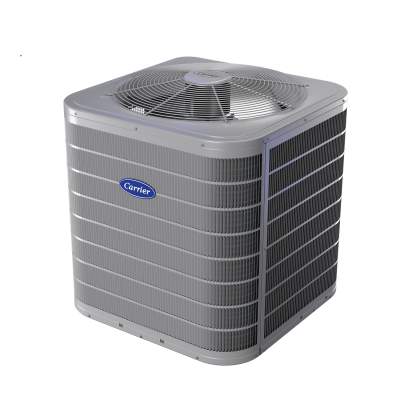
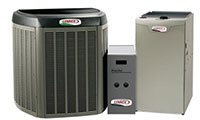
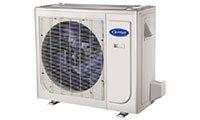
Carrier Performance™ 16.5 Air Conditioner with InteliSense™ Technology
-
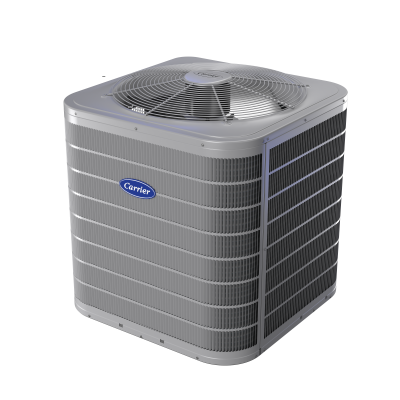
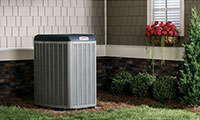
Carrier Performance™ 18 – 2 Stage Air Conditioner 26TPA8
-
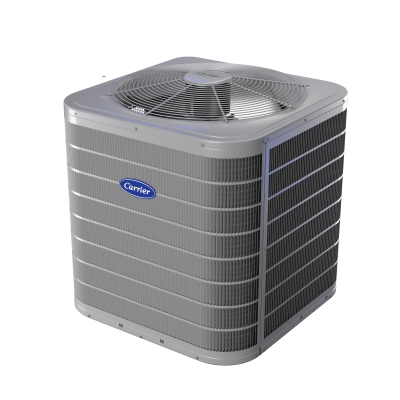
Carrier Performance™ 18 – 2 Stage Coastal Air Conditioner
-
 Discontinued
Carrier Performance 14 Compact Central Air Conditioners 24AHA4
-
 Discontinued
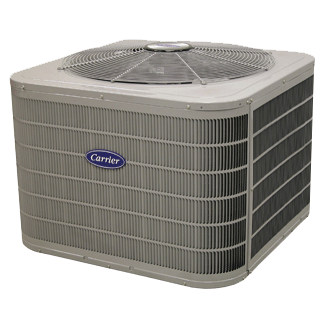
Carrier Performance 16 Central Air Conditioners 24ACC6
-
 Discontinued
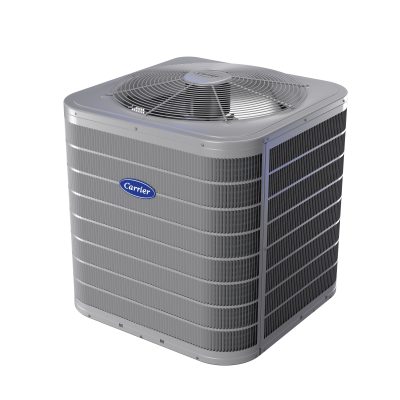
Carrier-Performance 16 Central Air Conditioner 24SPA6
-
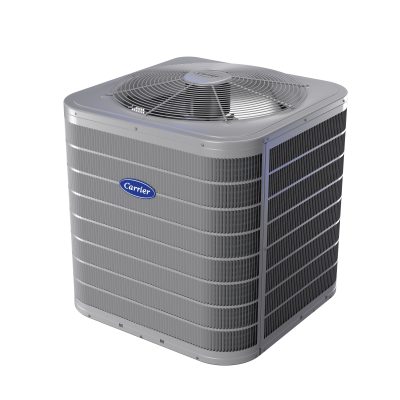 Discontinued
Carrier-Performance 17 2-Stage Air Conditioner 24TPA7
Performance Air Conditioners for Toronto and the GTA
Performance air conditioners are mid-tier central cooling systems designed to balance installation cost, energy efficiency, sound control, and indoor comfort. The category includes single-stage and two-stage options, making it suitable for homeowners who want better cooling performance than an entry-level system without paying for premium variable-capacity technology.
When a Performance Air Conditioner Is the Right Choice
This category is most suitable when the goal is dependable whole-home cooling with a practical balance of upfront cost and long-term performance. The following factors help determine whether a Performance system matches the home and the homeowner’s priorities.
Balanced Project Budget
Performance models typically cost more than basic single-stage systems but less than premium variable-capacity equipment. The category can provide a stronger combination of efficiency and comfort without requiring the highest equipment investment.
Single-Stage or Two-Stage Operation
Single-stage models provide straightforward full-output cooling, while two-stage models can operate at a lower stage during moderate conditions. Choosing the wrong configuration may result in paying for comfort features the household does not need or accepting more temperature variation than expected.
Existing Central Ductwork
Performance air conditioners are designed for homes with a suitable forced-air distribution system. Restricted returns, undersized ducts, or poor room airflow can limit comfort even when the outdoor equipment is correctly selected.
Single-Stage and Two-Stage Performance Models
The compressor configuration is one of the most important system-selection decisions within this category. Single-stage and two-stage units can both cool effectively, but they provide different comfort, humidity, sound, and cost outcomes.
Cooling Efficiency and Seasonal Operating Cost
Performance models provide moderate to enhanced seasonal efficiency, depending on the selected equipment and indoor-system match. A higher efficiency rating may reduce cooling electricity use, but the practical value depends on summer runtime, electricity rates, home insulation, thermostat settings, and how long the homeowner expects to keep the system.
Efficiency should not be evaluated from the outdoor unit alone. The indoor coil, blower performance, refrigerant charge, airflow, and duct condition all influence the efficiency achieved after installation.
Temperature and Humidity Performance
A single-stage model delivers full output whenever cooling is required. This can be appropriate for homes with predictable cooling loads, but it may create more noticeable temperature changes between cycles.
A two-stage model can remain at lower output for longer periods during moderate weather. Longer cycles generally support steadier room temperatures and improved moisture removal during humid Toronto and GTA summer conditions.
Do Not Oversize the Air Conditioner
Installing a larger unit does not automatically improve comfort. Capacity must be matched to the home’s actual cooling load, including its size, insulation, windows, orientation, occupancy, air leakage, and internal heat sources.
The Oversized Replacement Problem
An oversized air conditioner can cool the thermostat area quickly and shut down before removing enough indoor moisture or distributing cooling evenly. The result may be a cold but humid main floor, warmer upper rooms, frequent cycling, unnecessary noise, and premature component wear.
Sound Performance and Outdoor Unit Placement
Performance air conditioners generally include stronger sound-management features than basic cooling equipment, while two-stage operation can reduce sound further when the system runs at its lower stage. This can be useful when the condenser is near a bedroom, patio, walkway, or neighbouring property.
Equipment design is only part of the result. Mounting surface, wall reflections, refrigerant-line vibration, clearances, and installation location can make a quiet system more noticeable than expected.
Compact Installation Options
Some homes have limited space between exterior walls, property lines, decks, walkways, or neighbouring buildings. A compact Performance configuration may be appropriate where a conventional cabinet cannot maintain required service and airflow clearances.
A compact unit should not be selected only because it fits physically. Capacity, efficiency, sound, service access, airflow around the cabinet, and compatibility with the indoor system must also support the project.
Indoor Coil and Furnace Compatibility
The selected outdoor unit must be matched with an approved indoor evaporator coil. The furnace or air-handler blower must also provide the airflow required at the system’s operating stages.
Keeping an older indoor coil can reduce the immediate replacement price, but it may restrict efficiency, create refrigerant compatibility problems, or prevent the system from delivering its intended performance. A complete matched system may cost more initially but provide a more reliable installation.
Ductwork and Airflow Requirements
A new air conditioner cannot correct an inadequate air-distribution system by itself. Undersized return ducts, restrictive filters, closed registers, damaged ductwork, and excessive static pressure can reduce airflow and increase operating strain.
Homes with persistent hot bedrooms, weak return airflow, noisy vents, or large temperature differences between floors should receive an airflow assessment before equipment selection. Duct improvements may provide more comfort value than increasing air-conditioner capacity.
Performance Air Conditioner Installation
Installation should include a cooling-load calculation, equipment matching, refrigerant-line inspection, electrical assessment, condensate-drain review, airflow testing, refrigerant charging, control setup, and final commissioning.
The installation quality can have a greater effect on reliability than a small difference between equipment ratings. Incorrect refrigerant charge, excessive duct pressure, poor drainage, or improper outdoor-unit placement can reduce performance and shorten system life.
Performance Air Conditioner Replacement
Replacement may be appropriate when the existing system requires frequent repairs, uses an obsolete refrigerant, struggles during hot weather, produces excessive sound, or no longer controls humidity effectively.
The replacement decision should compare the cost of continued repairs with the expected remaining life and performance of the old equipment. Replacing a minor failed component on a relatively recent system may be more practical than installing new equipment, while repeated major failures can make replacement the stronger long-term option.
Performance Air Conditioner Cost Factors
Installed cost depends on cooling capacity, compressor configuration, indoor coil selection, furnace compatibility, controls, electrical work, refrigerant piping, drainage, equipment access, permits, duct modifications, and commissioning requirements.
A two-stage system normally costs more than a single-stage model but can provide better temperature consistency, humidity removal, and low-stage sound performance. The upgrade is most valuable in homes where the system operates frequently and comfort differences will be noticeable.
Performance vs Entry-Level and Premium Air Conditioners
Performance systems occupy the middle of the central air-conditioning market. They are intended for homeowners who want more equipment choice and stronger comfort performance than a basic system but do not require premium variable-capacity control.
An entry-level model may be sufficient for occasional cooling or a tightly controlled installation budget. A premium system may be more appropriate when precise temperature control, advanced zoning, maximum humidity management, or the quietest possible operation is a priority.
Performance Air Conditioner vs Heat Pump
A central air conditioner provides cooling only and works with a separate furnace or other heating system. A heat pump provides cooling in summer and reverses operation to supply electric heating during colder weather.
An air conditioner may be the more direct replacement when the existing furnace remains suitable and the project is focused on summer cooling. A heat pump should be evaluated when the homeowner also wants electric heating, reduced gas consumption, dual-fuel operation, or access to qualifying incentives.
When a Performance System May Not Be the Best Option
This category may provide limited value when the lowest installation cost is the primary requirement and basic cooling is sufficient. It may also fall short when the homeowner expects the precise temperature control and extended low-capacity operation associated with premium variable-capacity systems.
Major building-envelope or duct problems should be addressed before investing in upgraded cooling equipment. Poor insulation, excessive solar heat gain, severe air leakage, or restricted airflow can continue to create discomfort regardless of the outdoor unit selected.
How to Select a Performance Air Conditioner
The best model is determined by the home’s cooling load, existing HVAC components, comfort expectations, and project budget. Use this checklist to evaluate the complete system rather than choosing from efficiency ratings alone.
Performance Air Conditioner Selection Checklist
- Complete a cooling-load calculation before choosing system capacity.
- Decide whether single-stage affordability or two-stage comfort better matches the household’s priorities.
- Confirm approved matching between the outdoor unit, evaporator coil, furnace or air handler, and blower.
- Inspect duct sizing, return-air capacity, filtration, static pressure, and room airflow.
- Review outdoor space, sound concerns, required clearances, and service access.
- Check refrigerant-line condition, electrical capacity, disconnect requirements, and condensate drainage.
- Compare complete installed scope, efficiency, sound performance, warranty, and commissioning.
- Evaluate whether an air conditioner or heat pump better supports the home’s long-term HVAC plan.
Local Suitability for Toronto and the GTA
Performance air conditioners are suitable for many Toronto and GTA homes that need reliable central cooling through hot and humid summer conditions. Two-stage models can be particularly useful where longer cycles, improved moisture removal, and reduced low-stage sound provide meaningful comfort benefits.
Homes with limited outdoor clearance may benefit from a compact configuration, while multi-level properties may require duct balancing or zoning improvements. Local suitability depends on both the equipment and the building conditions in which it will operate.
Plan Your Performance Air Conditioner Installation
A properly selected Performance air conditioner can provide efficient whole-home cooling without the cost and complexity of a premium variable-capacity system. Accurate sizing, matched indoor equipment, suitable ductwork, and thorough commissioning are essential to achieving dependable comfort.
FREE In-Home Estimate