

Comfort
Showing all 5 results
-
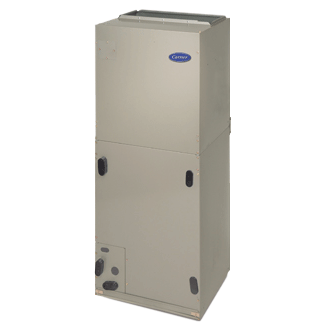
Carrier Comfort Fan Coil FB4C Air Handlers
-
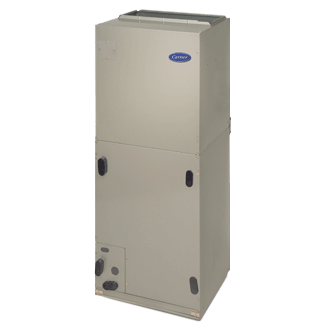
Carrier Comfort Fan Coil FX4D Air Handlers
-
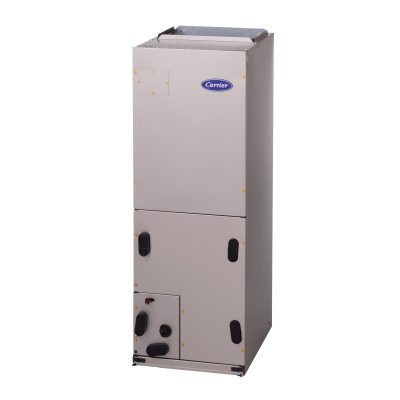
Carrier-Comfort FJ4 Fan Coil
-
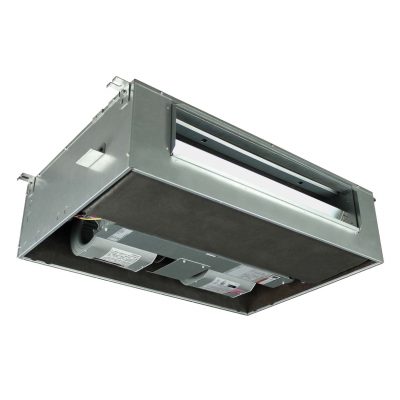
Carrier-Comfort Multi-family Home Cased FMC Fan Coil
-
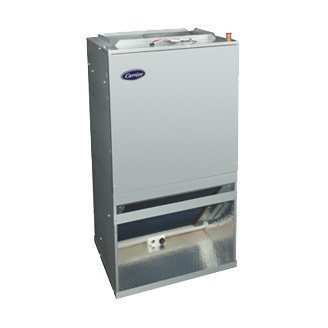
Carrier-Comfort Multi-family Home FMA4 Fan Coil
Comfort Air Handlers for Toronto & GTA Homes
Comfort air handlers are value-focused indoor HVAC units designed to circulate heated and cooled air through a central duct system while working with compatible heat pumps and air conditioners. They are suited to homeowners who want dependable airflow and efficient operation without paying for premium variable-speed or communicating features that their HVAC system may not require.
For Toronto and GTA homes, the right Comfort air handler depends on the outdoor equipment, system capacity, ductwork, installation space, electrical requirements and winter heating strategy. Choosing the indoor and outdoor equipment together is more important than selecting an air handler by size or price alone.
Is a Comfort Air Handler Right for Your Home?
Comfort air handlers make the most sense for straightforward residential heating and cooling systems where reliability, compatibility and installation value are higher priorities than advanced airflow modulation. These factors can help determine whether the category fits the project.
Standard HVAC Systems
Comfort air handlers are well suited to conventional heat pump and air-conditioning systems that do not require premium communicating controls or continuous airflow modulation.
Multi-Speed Airflow
Multiple blower speeds provide more airflow flexibility than older basic fixed-speed equipment while keeping system complexity and equipment cost lower than variable-speed alternatives.
Heat Pump Compatibility
The indoor unit should be matched to compatible outdoor equipment. Correct matching protects heating capacity, cooling performance and system efficiency.
Winter Heating Strategy
Toronto installations may require supplemental heating depending on the heat pump and building heat loss. Backup heat requirements should be determined before selecting the air handler.
Installation Conditions
Mechanical-room space, electrical service, condensate drainage and duct orientation can affect which air handler configuration is practical for a replacement project.
Project Budget
Comfort is most appropriate when homeowners want reliable central airflow without paying for advanced features that may provide limited benefit in a simpler HVAC system.
Multi-Speed vs Variable-Speed Air Handlers
The main performance difference between Comfort and higher air handler tiers is how precisely the blower can adjust airflow. Multi-speed operation provides several airflow settings, while variable-speed equipment can make much finer adjustments as heating and cooling demand changes.
Comfort Air Handlers With Heat Pumps
A Comfort air handler can provide a practical indoor match for compatible heat pump systems when advanced variable-speed airflow is not required. The indoor coil and blower remain critical to both heating and cooling performance, so the air handler should be selected with the outdoor unit.
Matching only by nominal capacity can cause problems. Refrigerant requirements, indoor coil design, blower characteristics and approved system combinations should all be considered before equipment is installed.
Why Matching by Size Alone Can Be a Problem
A homeowner replaces an air handler with another unit carrying the same nominal capacity but does not verify compatibility with the existing heat pump. The physical size may appear correct, yet differences in coil design or system requirements can affect heating, cooling and efficiency. The indoor and outdoor equipment should be confirmed as a compatible combination before replacement.
Toronto Winter Heating Considerations
Air handler selection in Toronto should account for winter operation from the beginning. In a heat pump system, the indoor unit must provide the required airflow while the outdoor equipment operates across changing temperatures.
Some installations may also require supplemental heat during colder conditions. The amount of backup heat should reflect the home's calculated heat loss and the heat pump's low-temperature performance rather than being selected solely from equipment size.
Choosing too much supplemental heat can increase electrical demand unnecessarily. Choosing too little can leave the system unable to meet the home's heating requirement during colder weather.
Comfort Air Handlers and Summer Humidity
Multi-speed blower operation gives the installer more flexibility than older single-speed equipment when configuring cooling airflow. Proper airflow can improve cooling comfort and help the indoor coil remove moisture during humid Toronto summers.
The limitation is that multi-speed equipment cannot continuously adjust airflow like a variable-speed air handler. Homeowners who place a high priority on humidity control or gradual airflow changes may benefit from moving to a higher equipment tier.
Refrigerant Compatibility During Replacement
Current air handlers must be matched to outdoor equipment designed around the same refrigerant system. This is especially important when replacing one component of an older HVAC installation.
A new indoor unit should not automatically be connected to an older heat pump or air conditioner because the capacity appears similar. Refrigerant type, indoor coil design and system compatibility should be verified first.
When Replacing Only the Indoor Unit Becomes Complicated
An older air handler fails while the outdoor equipment continues operating. If the available replacement belongs to a newer refrigerant platform, replacing only the indoor unit may no longer be practical. Comparing a compatible component replacement with a complete matched-system upgrade can prevent unnecessary adaptation work.
Can a Comfort Air Handler Improve Airflow?
Replacing an older blower with a modern multi-speed air handler can provide better airflow configuration and more efficient fan operation. This may improve comfort where the previous equipment had limited blower settings.
However, a new air handler cannot repair undersized return ducts, restrictive supply runs or poorly designed transitions. If weak airflow is already a problem, the duct system should be evaluated before assuming equipment replacement alone will solve it.
Ductwork and Static Pressure
Air handler performance depends on how easily air can travel through the home's duct system. Restrictive filters, inadequate returns, undersized ducts and sharp transitions can create excessive resistance.
Multi-speed equipment provides some flexibility, but operating against excessive static pressure can still reduce delivered airflow. Checking the duct system during installation can identify problems that should be corrected while the equipment is being replaced.
Comfort vs Performance Air Handlers
The choice between Comfort and Performance largely comes down to airflow capability and how much control the homeowner expects from the system. Comfort is designed for more straightforward applications, while Performance moves into variable-speed operation.
Performance may be worth the additional investment when humidity management, quieter airflow changes and more consistent temperatures are important. Comfort remains a practical choice when the outdoor equipment and home do not require those additional capabilities.
Comfort vs Premium Air Handlers
Premium air handlers add deeper system integration and more precise variable-speed airflow. These features are valuable when the complete HVAC system is designed to use them, but they do not automatically provide a better return in every installation.
A correctly sized Comfort air handler connected to suitable ductwork and compatible outdoor equipment can be a better system choice than premium indoor equipment installed in a home that cannot take advantage of its additional capabilities.
Comfort Air Handler Replacement
Replacing an older air handler should involve more than matching cabinet dimensions. Older equipment may use a different refrigerant, blower design, electrical configuration or control system.
If the outdoor heat pump or air conditioner is also aging, replacing the complete matched system can sometimes provide better long-term value than adapting a new indoor unit to older outdoor equipment.
Comfort Air Handler Installation Cost
Comfort is positioned as a value-oriented category, but installation cost still depends on the complete project. Equipment capacity, backup heat, refrigerant work, electrical requirements, thermostat changes, duct transitions and condensate modifications can all affect the final price.
A straightforward replacement using compatible existing equipment is very different from converting a furnace-based home to a heat pump and air handler system. The latter can require substantial electrical and ductwork changes.
Homeowners should compare complete installation scopes rather than equipment prices alone.
When Comfort Makes the Most Sense
Comfort air handlers are most suitable when the goal is dependable central heating and cooling without paying for advanced airflow modulation that the system does not require. They can be particularly appropriate for conventional replacement projects and value-focused heat pump systems.
If the home has significant humidity concerns, premium outdoor equipment or a strong preference for quieter and more gradual airflow, moving to a variable-speed category may provide more noticeable benefits.
What to Check Before Choosing a Comfort Air Handler
The correct air handler depends on the complete system rather than one equipment specification. Review these factors before finalizing installation or replacement.
Comfort Air Handler Selection Checklist
- Calculate the home's heating and cooling requirements before selecting system capacity.
- Confirm the exact heat pump or air conditioner that will be matched to the air handler.
- Verify refrigerant compatibility across the complete system.
- Determine whether multi-speed airflow provides enough control for the home's comfort requirements.
- Inspect supply and return ductwork for airflow restrictions.
- Determine whether supplemental heat is required for Toronto winter operation.
- Check available electrical capacity before selecting the backup-heating configuration.
- Confirm installation position, mechanical-room space and service clearances.
- Verify thermostat compatibility with the complete system.
- Compare Comfort with variable-speed equipment if humidity control is a major priority.
- Compare complete installed-system proposals rather than air handler prices alone.
Choosing a Comfort Air Handler in Toronto and the GTA
Comfort air handlers are best suited to homeowners looking for dependable central airflow, practical system compatibility and a lower equipment investment than variable-speed categories. They can provide a strong fit for conventional heat pump and air-conditioning installations where advanced communicating features are unnecessary.
For Toronto and GTA homes, system selection should still account for heating and cooling loads, outdoor equipment, refrigerant compatibility, ductwork, electrical capacity and winter backup heating. Evaluating those factors first helps determine whether Comfort provides the right balance of performance and cost.
FREE In-Home Estimate