

Dave Signature Collection
Showing all 2 results
-
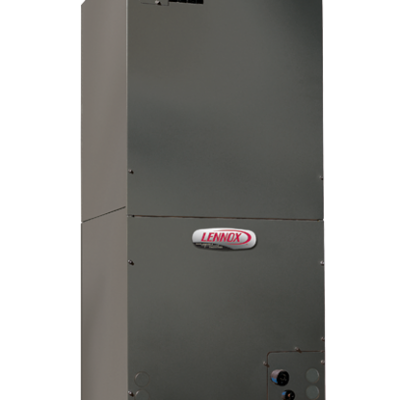
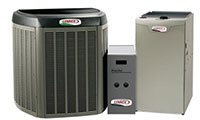
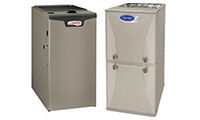
Lennox CBX32MV Variable Speed-Multi Position Air Handlers
-
Lennox CBX40UHV Variable Speed Air Handlers
Dave Signature Air Handlers for Toronto & GTA Homes
This premium air handler category is designed for central ducted heating and cooling systems that need variable-speed airflow, flexible installation positioning and precise coordination with compatible outdoor equipment. It is most relevant for homeowners choosing a higher-performance heat pump or air-conditioning system where airflow control, humidity management, quiet operation and system matching matter as much as the outdoor unit itself.
For Toronto and GTA homes, the air handler should be selected as part of the complete HVAC system. Capacity, ductwork, available electrical service, heat pump configuration and backup heating requirements all affect whether the Dave Signature option is the right fit.
Current Dave Signature Air Handler: CBK48MVT
The current Dave Signature air handler is the CBK48MVT, a variable-speed, multi-position model available across nominal capacities from 1.5 to 5 tons. It uses R-454B refrigerant and can be configured with optional electric heat, making system matching more important than simply selecting an air handler by tonnage.
The variable-speed blower is the central performance feature. Instead of delivering one fixed airflow whenever the system operates, the blower can adjust airflow as system demand changes. When paired with compatible variable-capacity equipment, this supports more gradual temperature control and longer lower-speed operating periods.
Is a Dave Signature Air Handler Right for Your HVAC System?
A premium air handler provides the most value when the rest of the heating and cooling system can use its variable-speed capabilities. These are the main factors to check before choosing the CBK48MVT for a replacement or new installation.
Matched Outdoor Equipment
The air handler should be matched to compatible heat pump or air-conditioning equipment. Choosing components independently can limit capacity, efficiency and control performance.
Required System Capacity
Available sizes span approximately 1.5 to 5 tons, but the correct capacity should come from the home's heating and cooling requirements rather than existing equipment size alone.
Ductwork Performance
Variable-speed operation can improve airflow control, but it cannot correct severely undersized, restricted or poorly balanced ductwork. Existing ducts should be assessed before installation.
Electric Heat Requirements
Optional electric heat can be added when the HVAC design requires supplemental or backup heating. The required capacity depends on system design, home heat loss and electrical capacity.
Installation Configuration
The multi-position cabinet provides flexibility for different mechanical-room layouts, but available space, condensate drainage and service access still need to be verified.
Control Strategy
A communicating system can coordinate equipment operation more closely. The thermostat and outdoor unit should therefore be considered during air handler selection rather than after installation.
Why Variable-Speed Airflow Matters
The practical difference between a premium variable-speed air handler and a simpler blower design is how airflow responds to changing heating and cooling demand. This affects comfort, sound and moisture removal rather than merely changing a specification on the equipment label.
Matching the Air Handler With a Heat Pump
An air handler is a critical part of an all-electric central heat pump system because it contains the indoor coil and circulates conditioned air throughout the ductwork. The heat pump and air handler must be properly matched for the system to deliver its intended heating, cooling and efficiency performance.
This is especially important with variable-capacity outdoor equipment. Installing a premium heat pump with an indoor unit that cannot provide the required airflow or communication can prevent the complete system from operating as designed.
Why an Outdoor Unit Upgrade Alone May Not Be Enough
A homeowner replaces an older heat pump with premium variable-capacity equipment but keeps an indoor air handler that cannot fully coordinate with the new system. The outdoor unit may still provide heating and cooling, but some of the airflow modulation and integrated comfort control expected from the upgrade can be lost. Evaluating the indoor and outdoor equipment together avoids this mismatch.
Dave Signature Air Handlers for Toronto Winter Heating
In an all-electric heat pump system, the air handler continues moving conditioned air through the home during winter and may also accommodate supplemental electric heat. Toronto's colder winter conditions make backup heating strategy an important part of system selection.
Optional electric heat is available in capacities from 4 to 25 kW. That does not mean the largest heater should automatically be installed. Electric heat sizing should reflect the home's heat loss, heat pump capacity at lower outdoor temperatures and available electrical service.
Oversizing supplemental heat can increase electrical demand unnecessarily. Undersizing it can leave the system unable to maintain the desired indoor temperature when heat pump output alone does not meet the building's heating load.
Electric Heat and Electrical Service Requirements
Adding electric resistance heat can significantly change the electrical requirements of an air handler installation. This should be evaluated before equipment is ordered, particularly in older Toronto homes where electrical capacity may already be limited.
The appropriate configuration depends on whether electric heat will serve as occasional supplemental heat, emergency backup or a more significant part of the winter heating strategy. Heat pump sizing and electrical planning should therefore be completed together.
Multi-Position Installation Options
The CBK48MVT uses a four-way multi-position design, allowing more flexibility when fitting the air handler into different mechanical spaces. This can help with replacement projects where the existing equipment is installed vertically or horizontally.
Multi-position capability does not make every orientation equally simple. Refrigerant piping, condensate drainage, service clearances and duct transitions still need to be planned for the selected position. Some configurations also require installation changes that should be addressed before the unit is placed.
Can a New Air Handler Improve Uneven Temperatures?
A variable-speed blower can improve airflow management when the existing indoor unit provides limited airflow control. It can be particularly useful with compatible zoning and variable-capacity systems because airflow can change as heating and cooling demand changes.
However, replacing the air handler is not a guaranteed solution for rooms that are consistently too hot or too cold. Duct restrictions, inadequate return air, poor balancing, insulation problems or excessive heat loss can continue to create uneven temperatures even with premium indoor equipment.
When Variable Speed Cannot Fix the Duct System
If a second-floor bedroom receives too little supply air because of a restrictive duct run, installing a variable-speed air handler may improve overall system control without correcting that room. The blower can only move air through the duct paths available to it. Significant room-to-room temperature problems should be diagnosed before equipment replacement.
High Static Capability and Existing Ductwork
The CBK48MVT is designed with high static capability, which gives the blower more flexibility when operating against resistance in the duct system. This can be useful in homes with more demanding duct configurations, filtration systems or other airflow components.
High static capability should not be treated as permission to ignore restrictive ductwork. Excessive static pressure can increase blower demand, reduce airflow where it is needed and affect overall HVAC performance. Measuring existing airflow and static pressure can identify whether duct improvements should be included with the installation.
R-454B Refrigerant and Equipment Replacement
The current CBK48MVT is designed for R-454B refrigerant. That matters when replacing an older air handler because the new indoor unit must be paired with compatible outdoor equipment and installed using components intended for the same refrigerant system.
A homeowner replacing only the indoor unit should not assume a current air handler can automatically be attached to every older outdoor condenser or heat pump. Refrigerant compatibility, metering requirements and approved equipment combinations need to be confirmed first.
Dave Signature vs Elite and Merit Air Handlers
The Signature option sits at the premium end of the air handler range, but selecting the highest tier is not automatically the best HVAC decision. The correct tier depends on the outdoor equipment, comfort expectations, airflow requirements and how much benefit the home can gain from variable-speed operation.
A more basic air handler may be suitable for conventional equipment where advanced airflow modulation is unnecessary. The Dave Signature category becomes more relevant when pairing the indoor unit with higher-performance equipment and when quieter, more precise airflow is a priority.
The complete matched system matters more than the series name alone. A correctly sized mid-tier system with suitable ductwork can perform better in a home than premium components installed without proper system matching.
Replacing an Existing Air Handler
Air handler replacement should involve more than matching the dimensions of the old cabinet. Existing systems may have been sized incorrectly, and newer equipment can have different refrigerant, electrical, airflow and control requirements.
Before replacement, the technician should evaluate the outdoor equipment, refrigerant type, duct system, thermostat, electrical supply, condensate arrangement and available service space. If the heat pump or air conditioner is also approaching replacement age, evaluating both indoor and outdoor units together can prevent paying for equipment that will soon require another system change.
What Affects Dave Signature Air Handler Installation Cost?
Installed cost depends on more than the air handler itself. Capacity, optional electric heat, thermostat requirements, refrigerant piping, electrical work, duct transitions, condensate modifications and the outdoor equipment being matched to the air handler can all change the project scope.
A straightforward replacement using suitable existing ductwork is different from converting an older furnace-based system to an all-electric heat pump and air handler. The second project may require substantial electrical, duct and control changes even when the air handler model is similar.
For this reason, comparing air handler quotes only by equipment price can hide important differences. A useful quote should identify the matched equipment, required installation work and any electrical or duct modifications included in the project.
What to Check Before Choosing a Dave Signature Air Handler
The best selection comes from matching the indoor unit to the home and the complete HVAC system. Confirm these points before finalizing an installation or replacement.
Air Handler Selection Checklist
- Confirm the heating and cooling load before choosing nominal equipment capacity.
- Verify that the selected outdoor heat pump or air conditioner is an approved match.
- Confirm refrigerant compatibility between the indoor and outdoor equipment.
- Check existing ductwork, static pressure and return-air capacity.
- Determine whether supplemental electric heat is required for the Toronto winter design.
- Verify that the home's electrical service can support the selected electric heat configuration.
- Confirm the installation orientation and available mechanical-room clearances.
- Review thermostat and communication requirements for the complete system.
- Plan condensate drainage and service access before equipment placement.
- Compare the complete installed system rather than the air handler price alone.
Choosing a Dave Signature Air Handler in Toronto and the GTA
The Dave Signature CBK48MVT is most appropriate when the HVAC design calls for a premium variable-speed indoor unit that can work with compatible high-performance heating and cooling equipment. Its 1.5-to-5-ton capacity range, multi-position configuration, optional electric heat and variable-speed airflow make it adaptable to many central ducted applications.
The final decision should still be driven by the house. Heating and cooling loads, ductwork, electrical capacity, outdoor equipment and winter backup strategy determine whether this air handler will deliver meaningful advantages over a simpler alternative.
FREE In-Home Estimate