


Merit Series
Showing the single result
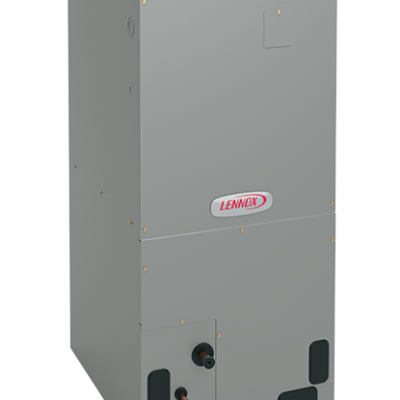
Merit Series Air Handlers for Toronto & GTA Homes
Merit Series air handlers are value-focused indoor HVAC units designed to circulate heated and cooled air through a central duct system while working with compatible heat pumps and air conditioners. The current range includes three-speed, constant-torque and variable-speed options, allowing homeowners to choose the level of airflow control that fits the outdoor equipment, comfort requirements and installation budget.
For Toronto and GTA homes, the correct air handler should be chosen as part of the complete heating and cooling system. Capacity, refrigerant compatibility, blower type, ductwork, supplemental heat requirements and the selected outdoor equipment all influence whether a particular Merit model is appropriate.
Which Merit Series Air Handler Should You Choose?
The Merit lineup covers several performance levels rather than one standard configuration. The most useful starting point is deciding how much airflow control the HVAC system actually requires before comparing individual models.
CBK45UHPT
A three-speed air handler suited to straightforward heating and cooling systems where dependable operation and lower initial equipment cost are priorities.
CBK45UHET
A high-efficiency constant-torque model that provides better airflow response than a basic multi-speed design without moving to full variable-speed operation.
CBK43UHET
A compact constant-torque air handler that can be useful where mechanical-room dimensions are limited but efficient airflow control is still required.
CBK45UHVT
A variable-speed option for systems where more gradual airflow adjustment, quieter operation and improved temperature consistency justify the additional equipment capability.
Heat Pump Matching
The indoor unit should be selected around the compatible outdoor heat pump or air conditioner. Matching only by nominal tonnage can result in the wrong coil, airflow or refrigerant configuration.
Replacement Conditions
Existing cabinet dimensions, electrical service, duct transitions, thermostat controls and refrigerant type should be checked before deciding which model can replace an older air handler.
Three-Speed, Constant-Torque or Variable-Speed?
The most important performance difference within the category is blower technology. A more advanced blower can provide finer airflow control, but homeowners should choose that capability only when the complete HVAC system can benefit from it.
CBK45UHPT: Standard Three-Speed Air Handler
The CBK45UHPT is designed for homeowners who need a current air handler without paying for advanced variable-speed blower technology. Its three-speed design can be appropriate for conventional matched systems where the heating and cooling equipment does not require sophisticated airflow modulation.
The trade-off is reduced flexibility. A three-speed blower cannot adjust airflow as precisely as constant-torque or variable-speed equipment, so homeowners prioritizing quieter operation, tighter temperature control or more advanced humidity management may benefit from moving to another model.
CBK45UHET: Constant-Torque Airflow
The CBK45UHET moves the category into higher-efficiency constant-torque operation. This blower technology is designed to respond to system conditions more effectively than a basic multi-speed motor and can help maintain more consistent airflow as resistance changes within the duct system.
This can make it a practical middle ground for homeowners who want better airflow performance without necessarily paying for full variable-speed capability. The decision should still depend on the matched outdoor unit because a more advanced indoor blower provides limited value when paired with equipment that cannot take advantage of its operating characteristics.
CBK43UHET for Tight Installation Spaces
The CBK43UHET combines constant-torque operation with a more compact air handler format. This can matter in Toronto homes where mechanical equipment is located in tighter basements, utility rooms, closets or retrofit spaces.
Compact equipment should not be selected on cabinet dimensions alone. The installer still needs enough room for duct transitions, refrigerant connections, condensate drainage, electrical access and future servicing. Choosing a smaller cabinet that creates restrictive duct transitions can undermine the airflow advantages of the new equipment.
CBK45UHVT Variable-Speed Air Handler
The CBK45UHVT is the higher-control option within the Merit air handler range. Its variable-speed blower can ramp airflow up or down rather than relying only on a small number of fixed operating speeds.
This can improve temperature consistency and help the indoor system respond more smoothly as heating or cooling demand changes. During summer cooling, controlled airflow can also support moisture removal when the complete matched system and controls are configured appropriately.
The additional capability is most worthwhile when paired with compatible outdoor equipment. Installing a variable-speed indoor unit simply because it is the highest-feature model does not guarantee a meaningful comfort improvement if the rest of the system remains basic.
Matching a Merit Air Handler With a Heat Pump
Heat pump installations make indoor equipment selection particularly important because the air handler operates during both heating and cooling seasons. The indoor coil, blower, refrigerant controls and outdoor heat pump need to work as a matched combination.
Choosing components independently can affect system capacity and efficiency. Two units with the same nominal tonnage are not automatically an approved or appropriate match.
Why Matching by Tonnage Alone Can Cause Problems
A homeowner needs a three-ton replacement air handler and selects another three-ton indoor unit without checking the outdoor heat pump. Although the nominal capacities match, differences in refrigerant configuration, indoor coil design or approved equipment combinations can prevent the system from delivering its expected performance. The exact indoor and outdoor models should be matched before installation.
Merit Air Handlers and Toronto Winter Heating
For Toronto and GTA heat pump systems, winter performance should be considered during air handler selection rather than after installation. The air handler must deliver the airflow required by the heat pump and may also need to accommodate supplemental electric heating.
Electric heat strips can provide additional heating when outdoor conditions reduce heat pump output or when the system requires backup heat. The appropriate capacity depends on the building's heat loss, heat pump performance and available electrical service.
Installing excessive electric heat can increase electrical demand and may require costly service upgrades. Installing too little can leave the system unable to meet the home's heating requirement under design conditions. Supplemental heat should be sized as part of the complete heating strategy.
R-454B and Current Merit Air Handler Replacement
Current Merit models are available for newer refrigerant systems, making refrigerant compatibility a key factor when replacing older equipment. The indoor and outdoor units must be designed to operate together with the appropriate refrigerant, controls and safety components.
This is especially relevant when an older air handler fails but the existing outdoor unit remains operational. A current replacement should not be selected solely because its capacity and cabinet size resemble the previous equipment.
Replacing Only Half of an Older HVAC System
An older heat pump remains operational when the indoor air handler fails. Installing a current-generation air handler without confirming refrigerant and equipment compatibility can create a system that cannot be properly commissioned. In this situation, comparing a compatible component replacement with a complete matched-system replacement is the safer decision.
Merit Series vs Elite Series Air Handlers
The Merit category is positioned around practical performance and value, while Elite models move further toward premium equipment and airflow capabilities. Choosing between them should depend on what the complete HVAC system requires rather than assuming the higher series automatically produces a better result in every home.
Merit Series vs Dave Signature Air Handlers
Dave Signature equipment moves further toward premium variable-speed operation and system integration. The difference becomes most meaningful when paired with compatible higher-end outdoor equipment capable of using those controls.
A Merit variable-speed air handler may already provide the airflow characteristics needed for many residential systems. Moving to a higher equipment tier makes more sense when the entire heating and cooling system is being designed around advanced communication, modulation and premium comfort control.
A properly selected Merit system with suitable ductwork can provide a better real-world result than higher-tier equipment installed on an unsuitable duct system. Equipment tier should follow system design, not replace it.
Can a Merit Air Handler Improve Uneven Temperatures?
Moving from an older blower to constant-torque or variable-speed equipment can improve how airflow is managed throughout a duct system. That may help reduce some comfort fluctuations, particularly when the existing indoor equipment does not maintain airflow effectively.
Air handler replacement cannot correct major duct design problems. Rooms with undersized supply ducts, limited return airflow, disconnected ductwork or significant insulation deficiencies can remain uncomfortable even after installing better indoor equipment.
If uneven temperatures are one of the reasons for replacing the air handler, airflow and static pressure should be evaluated before selecting the new equipment. Otherwise, the homeowner may invest in a higher-performance blower without addressing the real restriction.
Air Handler Capacity and Proper Sizing
Air handler capacity should correspond to the matched outdoor equipment and the home's calculated heating and cooling needs. Replacing an existing four-ton unit with another four-ton unit simply because that size is already installed can repeat an old sizing error.
Oversized systems can cycle differently than intended and may provide weaker summer humidity control. Undersized equipment can struggle during peak conditions. Proper system selection should consider the house rather than relying solely on square footage or the old equipment nameplate.
Ductwork and Static Pressure
Blower performance is closely tied to the duct system. Filters, restrictive return ducts, undersized supply trunks and poorly designed transitions all increase resistance to airflow.
Constant-torque and variable-speed motors can respond better to changing resistance than basic blower designs, but they cannot make an inadequate duct system unrestricted. Excessive static pressure may increase blower workload while still limiting airflow to parts of the home.
For replacement installations, checking static pressure and airflow can identify whether duct modifications will provide more value than simply choosing a more expensive air handler.
What Affects Merit Series Air Handler Installation Cost?
Air handler cost varies with model, capacity, blower technology, supplemental heating requirements and installation conditions. A straightforward equipment replacement is different from converting a furnace-based home to an all-electric heat pump and air handler system.
Refrigerant work, electrical upgrades, thermostat replacement, duct transitions, condensate modifications and optional electric heat can all affect the final installed price. Mechanical-room access and the amount of work needed to adapt existing ducts also matter.
For this reason, homeowners should compare complete installation scopes rather than comparing air handler prices alone. A lower equipment quote may exclude changes required for proper airflow, electrical capacity or system compatibility.
When Does Merit Series Make the Most Sense?
Merit air handlers are particularly useful when homeowners want several performance levels without automatically moving into a premium equipment tier. Choosing between three-speed, constant-torque and variable-speed models allows the indoor unit to be matched more closely to the actual HVAC application.
A basic model can make sense for straightforward equipment and budget-focused replacement. Constant-torque models provide a middle ground for improved airflow performance, while the variable-speed option is more appropriate when the matched system and comfort priorities justify finer airflow control.
What to Check Before Choosing a Merit Series Air Handler
The right model depends on more than cabinet size and tonnage. Review the complete HVAC configuration before ordering equipment so the indoor unit supports the outdoor system, ductwork and Toronto winter heating strategy.
Merit Series Air Handler Selection Checklist
- Calculate the home's heating and cooling requirements before selecting capacity.
- Identify the exact outdoor heat pump or air conditioner that will be paired with the air handler.
- Confirm refrigerant compatibility before replacing only the indoor unit.
- Choose between three-speed, constant-torque and variable-speed airflow based on actual system requirements.
- Inspect supply and return ductwork for restrictions and excessive static pressure.
- Determine whether supplemental electric heating is required for Toronto winter conditions.
- Confirm that the electrical service can support the selected heat configuration.
- Check equipment dimensions and required installation orientation.
- Verify thermostat and control compatibility with the complete HVAC system.
- Compare total installation scope rather than equipment price alone.
Choosing a Merit Series Air Handler in Toronto and the GTA
The Merit Series provides a broader range of air handler choices than a single value-level model might suggest. Homeowners can choose from straightforward three-speed equipment, constant-torque designs and a variable-speed option depending on the performance required from the complete HVAC system.
For Toronto and GTA installations, system matching should remain the deciding factor. Outdoor equipment, refrigerant type, home heating and cooling loads, duct performance, electrical capacity and supplemental heat requirements should all be established before choosing the air handler model. This approach helps avoid paying for unnecessary features while also preventing a lower-level indoor unit from limiting the performance of the rest of the system.
FREE In-Home Estimate