


Performance
Showing all 2 results
Performance Air Handlers for Toronto & GTA Homes
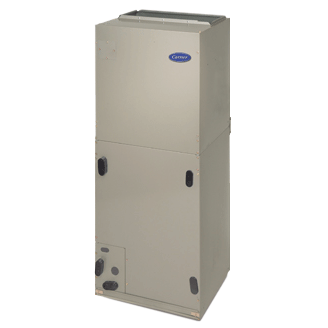
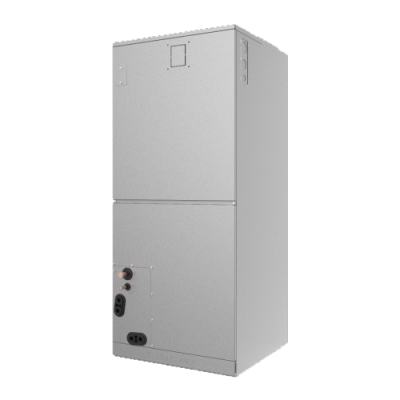
Performance air handlers are enhanced indoor HVAC units designed to provide variable-speed airflow for compatible heat pumps and air conditioners. They sit between standard multi-speed equipment and premium communicating systems, making them suitable for homeowners who want better temperature consistency, humidity management and quieter operation without automatically moving to the highest equipment tier.
For Toronto and GTA homes, the strongest reason to choose Performance is the additional airflow control. The benefit depends on proper equipment matching, ductwork, system sizing, thermostat configuration and winter heating requirements.
Is a Performance Air Handler Right for Your Home?
Performance air handlers make sense when variable-speed airflow provides a meaningful improvement over conventional multi-speed equipment. The decision should be made around the complete HVAC system rather than the indoor unit alone.
Variable-Speed Airflow
The blower can adjust airflow more gradually as heating and cooling demand changes, helping reduce noticeable temperature swings and abrupt airflow changes.
Humidity Priorities
Longer lower-airflow cooling cycles can improve moisture removal, making variable-speed operation particularly useful during humid Toronto summers.
Heat Pump Matching
Performance is especially relevant when paired with outdoor equipment that can benefit from a broader indoor airflow range.
Quiet Operation
Gradual blower changes can reduce the noticeable rush of air associated with simpler systems that move quickly between off and higher airflow.
Existing Ductwork
Variable speed provides better airflow control but cannot compensate indefinitely for restrictive ducts, inadequate returns or poor system balancing.
Equipment Investment
Performance makes sense when homeowners value improved comfort enough to move above a basic indoor unit but do not require premium communicating-system capabilities.
Why Variable-Speed Airflow Matters
A variable-speed air handler can change blower output gradually instead of relying on only several predetermined speeds. This gives the HVAC system more control over how conditioned air is delivered to the home.
During mild conditions, the blower can operate at lower airflow for longer periods. When demand increases, airflow can increase accordingly. This can create more stable room temperatures and less noticeable equipment cycling.
Performance vs Comfort and Premium Air Handlers
Performance occupies the middle ground between value-focused multi-speed equipment and premium system integration. The best tier depends on how much airflow control the outdoor equipment and homeowner actually require.
Performance Air Handlers With Heat Pumps
Variable-speed air handlers can be particularly useful with compatible heat pumps because heating and cooling demand changes throughout the year. The indoor blower can adjust airflow as the system responds to different operating conditions.
This becomes more important when the outdoor heat pump itself can modulate or operate in multiple stages. A simpler indoor blower may still provide heating and cooling but can limit how precisely the complete system responds.
When the Indoor Unit Limits a Heat Pump Upgrade
A homeowner upgrades to higher-performance outdoor equipment but retains an indoor air handler with limited airflow control. The system operates, but some of the smoother temperature control and humidity benefits expected from the upgrade are reduced. Selecting compatible indoor and outdoor equipment together helps protect the value of the heat pump investment.
Performance Air Handlers for Toronto Winters
Toronto heat pump systems need to operate across mild fall weather, freezing winter conditions and changing heating loads. The air handler needs to provide suitable airflow throughout that operating range.
Variable speed does not create additional heating capacity by itself. The outdoor heat pump and any supplemental heating source still need to meet the home's calculated winter heat loss.
For this reason, system sizing, backup heating and air handler selection should be completed together.
Supplemental Heating Requirements
Some heat pump installations use electric resistance heat for supplemental or emergency heating. The required capacity depends on the home's heat loss, the heat pump's low-temperature output and how the system is intended to operate during colder weather.
Installing more electric heat than necessary can increase electrical demand and may require service upgrades. Installing too little can create comfort problems during extreme conditions. Backup heating should therefore be sized from the complete heating design.
Performance Air Handlers and Summer Humidity
Humidity management is one of the strongest reasons to consider variable-speed airflow in Toronto and the GTA. Slower airflow during suitable cooling conditions can allow the indoor coil more time to remove moisture from the air.
This can improve comfort without relying solely on lowering the thermostat. However, the cooling equipment must also be properly sized. Oversized systems may satisfy temperature demand too quickly and reduce the runtime available for moisture removal.
When More Cooling Capacity Creates Less Comfort
An oversized cooling system can lower indoor temperature quickly and shut off before removing enough moisture. The thermostat reaches its setting, yet the house still feels humid. Proper equipment sizing combined with variable-speed airflow can provide longer, more controlled cooling cycles.
Connected System Diagnostics
Performance air handlers can support connected HVAC diagnostics when the rest of the system and controls are configured for that capability. This can provide more detailed operating information and support service troubleshooting.
Connected features should be considered during system selection rather than assumed to be automatic. Thermostat compatibility, equipment pairing and system setup all determine what diagnostic functions are available.
Thermostat and Control Compatibility
The thermostat should be selected with the air handler and outdoor equipment. A basic control may operate the system but may not provide access to every airflow, diagnostic or staging function available from more advanced equipment.
Reviewing the controls before installation can prevent replacing a thermostat later simply because the initial system configuration did not support the desired features.
Refrigerant Compatibility During Replacement
Current air handlers are designed around current refrigerant systems, which makes component compatibility particularly important when replacing older equipment.
A new indoor unit should not be connected automatically to an older heat pump or air conditioner because both carry similar capacity ratings. Refrigerant type, coil design, metering components and approved equipment combinations should be verified first.
Replacing an Older Performance Air Handler
An older Performance air handler may use different refrigerant, controls and blower technology than current equipment. Replacement should begin with identifying the complete existing system rather than searching only for a current unit with similar physical dimensions.
If the outdoor equipment is also aging, replacing both components together can eliminate compatibility compromises and allow the new indoor and outdoor equipment to operate as a matched system.
Performance vs Comfort Air Handlers
Performance becomes the stronger choice when airflow refinement is worth the additional equipment cost. Variable-speed operation can provide quieter transitions, more consistent temperatures and better moisture-control potential than multi-speed equipment.
Comfort remains appropriate when the HVAC system is straightforward and those additional features provide limited practical value. The homeowner should pay for the airflow technology the complete system can actually use.
Performance vs Premium Air Handlers
Premium air handlers add deeper communication and system integration beyond variable-speed blower operation. Performance can provide much of the comfort benefit associated with variable airflow without requiring the highest equipment tier.
A premium system becomes more compelling when the outdoor equipment, controls and homeowner expectations are all built around advanced communicating operation. Performance can be the better value when those capabilities are unnecessary.
Can Performance Improve Uneven Temperatures?
Variable-speed airflow can improve overall temperature consistency when the previous blower delivered air less smoothly. It can also work effectively with a properly designed duct system to provide more controlled heating and cooling.
It cannot correct major distribution problems. If a bedroom has an undersized supply duct or a floor lacks adequate return air, changing the air handler may not solve the imbalance.
Persistent room-to-room temperature problems should therefore be investigated before equipment replacement.
Ductwork and Static Pressure
Variable-speed equipment can respond to changes in duct resistance, but there are limits to how much a blower should compensate for poor duct design.
Restrictive filters, undersized returns and inadequate duct transitions can increase static pressure. The blower may work harder to maintain airflow, but that is not equivalent to correcting the restriction.
Checking airflow and static pressure during installation helps determine whether the duct system should be modified at the same time.
Performance Air Handler Installation Cost
Performance generally costs more than a basic multi-speed air handler because of its variable-speed blower and additional system capabilities. The final installed price also depends on capacity, outdoor equipment, controls, backup heat, refrigerant work, electrical changes, duct transitions and condensate requirements.
A straightforward replacement can require considerably less work than converting a home from a furnace to an all-electric heat pump and air handler configuration.
The most useful cost comparison is therefore between complete installed systems rather than individual air handler prices.
When Performance Makes the Most Sense
Performance air handlers are particularly well suited to homeowners who want better airflow control, summer humidity management and quieter operation without moving immediately to the premium HVAC tier.
They provide the most value when paired with compatible outdoor equipment and suitable ductwork. If the system is very basic, a simpler air handler may be sufficient. If the entire installation is designed around premium communicating equipment, moving higher may provide additional benefits.
What to Check Before Choosing a Performance Air Handler
Variable-speed technology should be selected because it solves a real comfort or system requirement, not simply because it represents a higher equipment tier. Review these factors before installation.
Performance Air Handler Selection Checklist
- Calculate the home's heating and cooling requirements before selecting equipment capacity.
- Confirm the exact outdoor heat pump or air conditioner being paired with the air handler.
- Verify refrigerant compatibility for the complete system.
- Determine whether variable-speed airflow provides meaningful comfort benefits for the home.
- Inspect supply and return ductwork before installation.
- Check static pressure if airflow or room-to-room comfort problems already exist.
- Determine whether supplemental heating is required for Toronto winter operation.
- Verify available electrical capacity for the planned heating configuration.
- Confirm thermostat and connected-control requirements before installation.
- Compare Performance with multi-speed equipment if project cost is the main priority.
- Compare premium equipment only when the complete HVAC system can use its additional capabilities.
- Review the full installation scope rather than the air handler price alone.
Choosing a Performance Air Handler in Toronto and the GTA
Performance air handlers are best suited to homeowners who want variable-speed airflow and enhanced comfort without automatically moving to the highest HVAC equipment tier. They can provide a meaningful improvement in temperature consistency, humidity management and operating smoothness when paired with compatible equipment.
For Toronto and GTA homes, the decision should still begin with proper system design. Heating and cooling loads, outdoor equipment, refrigerant compatibility, ductwork, electrical capacity, thermostat controls and winter backup heating determine whether Performance provides the right balance between cost and comfort.
FREE In-Home Estimate