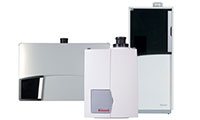


Baseboard Heaters
Showing 1–9 of 16 results
-

Empire Console Vented Room Heater RH25 Baseboard Heaters
-

Empire Console Vented Room Heater RH35 Baseboard Heaters
-

Empire Direct-Vent Counterflow Wall Furnaces (DVC55) Baseboard Heaters
-
Empire Direct-Vent Counterflow Wall Furnaces DVC35 Baseboard Heaters
-

Empire High-Efficiency Direct-Vent Wall Furnace DV20E Baseboard Heaters
-
Empire High-Efficiency Direct-Vent Wall Furnace DV40E Baseboard Heaters
-
Empire High-Efficiency Direct-Vent Wall Furnace DV55E Baseboard Heaters
-

Empire Vented Counterflow Wall Furnace FAW40 Baseboard Heaters
-
Empire Vented Counterflow Wall Furnace FAW55 Baseboard Heaters
Baseboard Heaters and Room Heating Options for Toronto Homes
Baseboard heaters provide heat near floor level, commonly using electric elements or hot water to warm individual rooms. This collection also groups gas wall furnaces and vented room heaters, which have different fuel, venting and installation requirements. Before choosing a replacement, identify the equipment already installed and whether you need a similar room heater or a change to another heating system.
Identify the Heating System Before Comparing Products
A heater’s location near the floor does not tell you how it operates. Distinguishing electric baseboards from the gas room heaters listed here helps prevent ordering equipment that cannot use your existing connections.
Electric Baseboards
Electric baseboards heat a room without a gas connection or combustion vent. Heater length, wattage, supply voltage and thermostat compatibility affect selection. The gas wall furnaces in this collection are not electrical replacements for these units; switching systems requires a separate assessment of gas supply, venting and installation work.
Gas Wall Furnaces and Vented Room Heaters
These appliances provide room or zone heating using a gas supply and an approved venting arrangement. Direct vent, conventionally vented and counterflow models are not interchangeable simply because their heating capacities appear similar. Match the installation type before comparing size, controls or appearance.
Choose a Room Heater That Fits the Installation
The most suitable heater must match both the room’s heating needs and the building’s available connections. Resolve these three selection factors before committing to equipment.
Fuel and Venting
Confirm the appliance’s approved fuel and vent system. A direct vent wall furnace requires a suitable outdoor termination location, while a conventionally vented heater needs its specified flue arrangement. An existing opening does not establish compatibility.
Heating Capacity and Control
Select capacity from the room’s heat loss rather than floor area alone. Windows, insulation and exposure affect demand, while modulation or thermostat control influences comfort when less heat is needed. Maximum gas input is not the same as useful heat delivered.
Wall Space and Airflow
Compare appliance dimensions, mounting requirements, furniture placement and service access. Some wall furnaces recess into a wall; others mount on its surface. The smallest cabinet is not automatically the best fit if it compromises clearances or airflow.
Direct Vent or Conventionally Vented Heating?
Direct vent equipment draws combustion air from outdoors and exhausts combustion gases outside through its specified vent system. It can suit room-heating projects where an approved exterior-wall location is available. The vent position and installation limits must work with the property before this option is selected.
A conventionally vented room heater uses a different flue arrangement. Replacing one with another heater may still require changes to the vent connection or supporting infrastructure. Compare the complete installation scope rather than assuming the existing vent can serve any new model.
A vent-free listing should not be treated as confirmation that the appliance is suitable for a Toronto home. Have the exact model’s Canadian approval and permitted installation application verified before purchase.
Compare Heat Distribution, Controls and Noise
Counterflow wall furnaces discharge warmed air near floor level, and some models offer optional outlets for additional rooms. That does not make every unit a whole-home heating system. Confirm the approved outlet arrangement and whether heat can reach the spaces you want to warm.
Fan-assisted equipment moves warm air through the room but introduces fan sound and electrical requirements. If the heater will operate beside seating or a bedroom, ask for an operating demonstration and discuss fan behaviour at different settings. Confirm outage operation for the exact model rather than assuming a gas appliance will work without electricity.
Check what the quotation includes for temperature control. Some wall furnaces require a separately supplied thermostat, and ignition options can vary. An existing electric baseboard thermostat should not be assumed compatible with a gas replacement.
Installation and Replacement in Toronto and the GTA
Room heating can be useful when a particular area needs independent temperature control, but a persistently cold room deserves an assessment before a larger heater is installed. Heat loss, layout and the existing heating arrangement determine whether replacement equipment addresses the problem.
For an electric baseboard replacement, verify the supply, connected load and control requirements. For a gas wall furnace or room heater, have the gas connection, venting, mounting location and commissioning requirements assessed by a qualified contractor. These are different installation projects and should be quoted separately.
In condominiums, confirm property-management requirements before planning changes to an exterior wall, shared vent or building service. In other homes, check that the proposed location provides the required clearances and access without disrupting the room’s usable layout.
What Affects the Installed Cost?
A straightforward replacement and a conversion to another heating type can have very different costs. Compare quotations that identify the appliance, controls, vent components, gas or electrical changes, removal, wall repairs and commissioning.
Operating costs also depend on the fuel, appliance performance, heating demand and hours of use. A lower equipment price does not establish the lowest seasonal cost. Request a comparison using the actual models and installation scope rather than a general promise of savings over baseboard heat.
Prepare for a Room Heating Assessment
Record the existing installation before comparing replacement options. This checklist helps establish whether you need a compatible replacement or a more substantial conversion.
Heater Selection and Replacement Checklist
- Identify whether the existing heater uses electricity, hot water or gas.
- Photograph the appliance and record its model, fuel or voltage, and rating information.
- Describe which rooms need heat and whether the heater will provide primary or supplementary heating.
- Have heating capacity assessed against the room’s heat loss and layout.
- Confirm mounting space, clearances, airflow and maintenance access.
- Verify vent compatibility and Canadian installation suitability for any gas appliance.
- Confirm thermostat inclusion, fan requirements and expected outage operation.
- Compare itemized installed quotations, including connections, removal and finishing work.
Plan the Right Heating Replacement
Start with your existing heater and the room you want to improve. A site assessment can clarify whether a compatible room heater or a change in heating type is practical for your Toronto or GTA property before equipment is ordered.
FREE In-Home Estimate