


I Series
Showing all 7 results
-
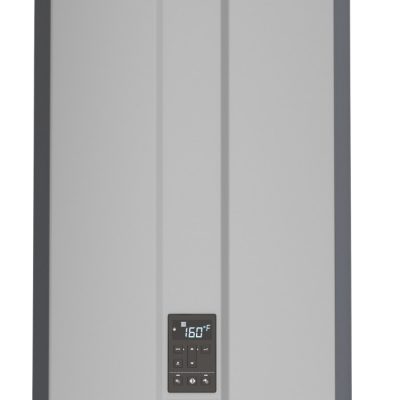
Rinnai i060CN Gas Boiler
-
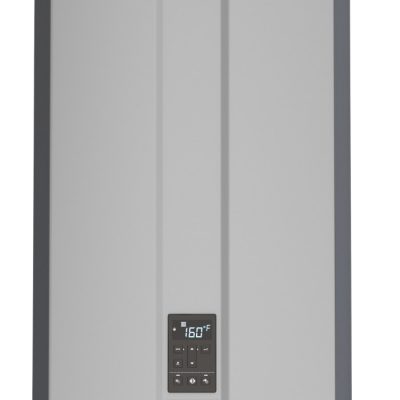
Rinnai i060SN Gas Boiler
-
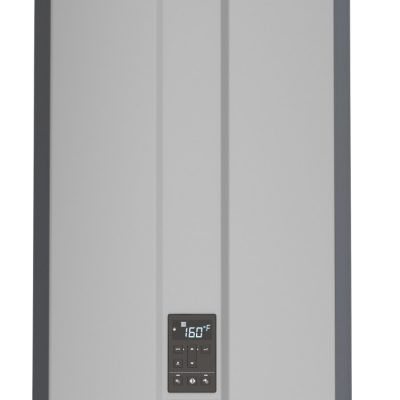
Rinnai i090CN Gas Boiler
-
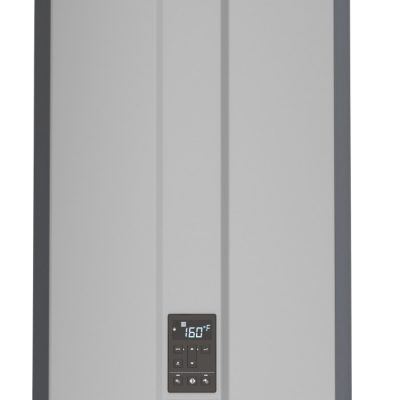
Rinnai i090SN Gas Boiler
-
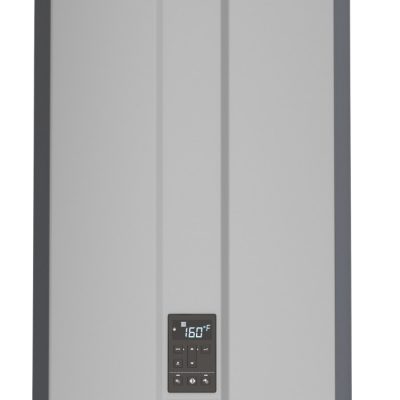
Rinnai i120CN Gas Boiler
-
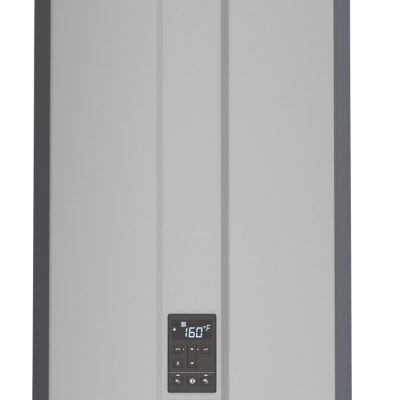
Rinnai i120SN Gas Boiler
-
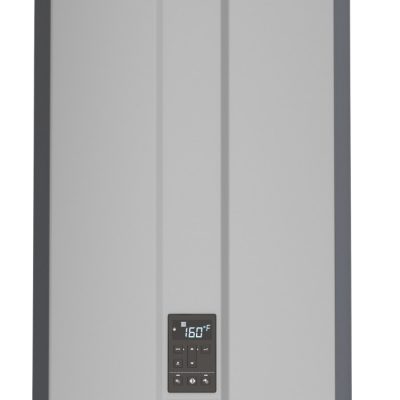
Rinnai i150SN Gas Boiler
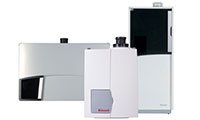
I Series Condensing Gas Boilers for Hydronic Heating
I Series boilers are compact wall-mounted condensing gas boilers designed for hot-water heating systems, with both heat-only and combination configurations available. The category covers space-heating capacities from smaller residential loads through larger homes, while combination models can also produce domestic hot water without a separate storage tank.
For Toronto and GTA homes, the main selection decisions are heat-only versus combi operation, calculated heating load, domestic hot-water demand, minimum firing rate, existing radiator or radiant-floor requirements, venting, condensate drainage and replacement compatibility. Choosing a model only from maximum BTU input can result in poor cycling or inadequate hot-water performance.
I Series Heat-Only vs Combi Boilers
The first decision is whether the boiler should provide space heating only or handle both hydronic heating and domestic hot water. A combi can reduce equipment count, while a heat-only boiler provides more flexibility when domestic hot water is handled separately.
I Series Models in This Category
The category includes seven boiler configurations covering 60,000, 90,000, 120,000 and 150,000 BTU heating classes. Heat-only models extend through the larger capacities, while combi models combine selected heating outputs with higher domestic hot-water input.
Heat-Only I Series Boilers
The i060SN, i090SN, i120SN and i150SN are designed specifically for hydronic space heating. They are appropriate when domestic hot water comes from a separate tankless water heater, storage water heater or indirect system.
Heat-only equipment can be preferable when the home's heating load and hot-water demand are very different. It allows each function to be sized independently rather than selecting a combi boiler primarily to satisfy one unusually large demand.
I Series Combi Boilers
The i060CN, i090CN and i120CN combine hydronic space heating with on-demand domestic hot-water production. Their central-heating capacities increase across the range, while domestic-water input is designed to provide substantially more short-term burner capacity when a faucet or shower requires hot water.
A combi boiler can save space and remove the need for a separate storage tank, but it should not be selected from heating capacity alone. Household hot-water demand can become the controlling factor even when the building itself has a relatively small heating load.
Choosing a Combi Boiler by Hot-Water Demand
Domestic hot-water performance depends on the temperature rise between incoming cold water and the desired outlet temperature. This matters in Toronto because winter groundwater can be significantly colder than summer inlet water.
One Shower at a Time
A smaller combi configuration may be practical when simultaneous hot-water demand is modest and the home's heating load also fits the lower capacity range.
Multiple Bathrooms
Higher domestic-water input becomes more important when showers, faucets and appliances may operate at the same time.
Cold Toronto Inlet Water
A larger required temperature rise reduces available hot-water flow, so winter performance should be considered instead of relying on maximum published flow alone.
Large Soaker Tub
High fill-rate expectations can push domestic hot-water demand beyond what a smaller combi model can deliver comfortably.
Low Heating Load, High Water Demand
Selecting a larger combi solely for hot water can oversize the boiler side, making minimum firing rate and modulation particularly important.
Very High Water Demand
A heat-only boiler paired with a separately sized domestic-water system can be a better solution when simultaneous usage exceeds practical combi capacity.
Why Maximum GPM Can Be Misleading in Toronto
Maximum domestic hot-water flow is achieved under specific inlet and outlet temperature conditions. A Toronto winter installation can require a larger temperature rise, reducing the amount of hot water the boiler can deliver at the target temperature.
Sizing a Combi From Maximum Flow Rate Alone
A combi boiler that appears capable of serving several fixtures from its maximum flow rating may provide less flow when winter inlet water is much colder. If household demand is not calculated at the required temperature rise, showers can experience reduced flow when several fixtures operate together.
I Series Boiler Efficiency
I Series boilers operate in the high-efficiency condensing range, with model ratings around the mid-90% AFUE level. Their stainless-steel heat-exchanger design is intended to recover additional heat from combustion gases compared with conventional non-condensing boilers.
Rated efficiency is only part of the decision. Return-water temperature, boiler sizing, cycling, outdoor reset, radiation design and commissioning determine how effectively a condensing boiler performs over a Toronto heating season.
Condensing Performance and Water Temperature
A condensing boiler gains its largest efficiency advantage when return water is cool enough for water vapour in the combustion gases to condense. Lower-temperature hydronic systems generally provide more opportunities for that process.
Installing a high-efficiency boiler onto a system that requires very hot water throughout the heating season can reduce the amount of time it operates in its most efficient condensing range. Existing radiation should therefore be assessed before assuming the maximum AFUE rating will reflect seasonal performance.
I Series Boilers for Radiant Floor Heating
Radiant-floor systems often operate at lower water temperatures, making them a strong match for condensing boiler technology. The lower return temperature can support longer periods of condensing operation while providing even room heating.
The boiler still needs to match the calculated load. A small radiant zone connected to a boiler with excessive minimum output can cause short cycling even though the water-temperature conditions are favourable.
I Series Boilers for Radiators and Baseboards
Existing cast-iron radiators and hydronic baseboards can also work with condensing boilers, but their required supply-water temperature should be evaluated. Systems with generous radiation may meet the design load at lower temperatures than older boiler settings suggest.
If the installed radiation is marginal, higher water temperatures may still be necessary during the coldest Toronto weather. That does not prevent boiler operation, but it can reduce condensing efficiency during peak conditions.
Boiler Modulation and Turndown
The I Series uses modulating combustion, allowing burner input to reduce as heating demand falls. Larger heat-only models provide greater turndown capability, helping them cover a wider range between minimum and maximum firing rates.
Turndown is important because Toronto homes operate at design heating load only during relatively cold conditions. For much of the season, the boiler needs only a fraction of its maximum output.
Why Minimum Boiler Output Matters
Maximum BTU input determines whether a boiler can meet peak demand, while minimum input helps determine how well it handles mild weather and small heating zones. Both numbers matter when selecting equipment.
A boiler with far more minimum output than the active zone can absorb may reach target temperature quickly and shut down repeatedly. Modulation reduces this problem but cannot compensate for severe oversizing.
Choosing a Larger Boiler for Extra Capacity
Installing a 150,000 BTU boiler in a home with a much smaller design heat loss does not create better comfort. The boiler may spend much of the season at minimum fire and still produce more heat than a small zone can use, increasing cycling and reducing the value of modulation.
How to Size an I Series Boiler
Boiler capacity should be determined by a room-by-room or whole-building heat-loss calculation using insulation, windows, air leakage, exterior exposure and Toronto winter design conditions. The size of the existing boiler is not a reliable sizing method.
This is especially important when replacing equipment in an older home. Window upgrades, added insulation and air sealing may have reduced the current heating load considerably since the original boiler was installed.
60K vs 90K vs 120K vs 150K Heating Capacity
The available heating sizes allow the category to cover a broad range of residential hydronic loads. The correct capacity is the smallest model that can satisfy the calculated design load while also meeting any relevant zoning or domestic-water requirements.
Outdoor Reset for Toronto Heating
Outdoor reset adjusts boiler water temperature as outdoor conditions change. The system can use lower water temperatures during mild weather and increase them as temperatures fall, instead of operating at design-day water temperature throughout the entire season.
This can improve both comfort and condensing performance when the radiation system supports lower temperatures. The control curve still needs to be set correctly; excessively high settings can waste condensing potential, while overly low settings can leave the home underheated during colder weather.
Heat-Only Boiler With Separate Domestic Hot Water
A heat-only I Series boiler can be paired with a separately sized domestic-water solution when heating and hot-water loads do not align well. This arrangement can be useful in households with unusually high hot-water demand or where an existing water heater remains serviceable.
The trade-off is additional equipment and mechanical space. A combi reduces appliance count, while separate systems provide greater independence and can be sized around their individual loads.
Combi Boiler vs Boiler With Indirect Water Heater
A combi heats domestic water on demand, while a heat-only boiler can be configured with an indirect storage tank when the system design supports it. Each approach handles peak domestic-water demand differently.
I Series Boiler Installation in Toronto and the GTA
Installation requires heat-loss sizing, hydronic-system assessment, gas-supply verification, venting, condensate drainage, electrical connections, piping, expansion control, circulation, air elimination, controls and commissioning. Combi installations also require domestic-water piping and performance checks.
A wall-mounted boiler may occupy less floor space than traditional equipment, but compact dimensions do not make the project a simple appliance swap. Existing piping and controls often determine how much modification is required.
Gas Supply Requirements
The gas line must be able to support the boiler at maximum firing rate while other connected appliances are operating. Combi models can require substantial input during domestic hot-water production even when the space-heating load is much smaller.
An existing gas line sized for an older lower-input appliance may require modification. Gas capacity should therefore be checked before the installation scope and boiler location are finalized.
Venting a Condensing I Series Boiler
Condensing boilers use approved corrosion-resistant venting materials and require both combustion-air and exhaust arrangements that comply with the selected configuration. Vent length, fittings, termination clearances and the path through the building all influence installation.
A short mechanical-room-to-exterior route can simplify replacement, while a long or difficult vent path can materially increase labour. Venting should be assessed before assuming a wall-mounted boiler will fit wherever the existing equipment is located.
Condensate Drainage
Condensing operation produces acidic condensate that must be discharged through an appropriate drainage arrangement. The boiler location should therefore have a practical drain path or a suitable condensate-management solution.
Installing the boiler where drainage is difficult can add pumps, tubing and future maintenance points. Condensate planning is most effective when completed before the final wall location is chosen.
Circulation and Hydronic Zoning
Heat-only and combi models differ in their internal pumping arrangements, so the entire hydronic system should be reviewed during selection. Existing circulators, zone valves, flow requirements and system resistance affect the final piping design.
Multiple thermostats do not automatically guarantee good zoning. The smallest active zone should be capable of accepting enough heat at minimum boiler output, or the system may cycle frequently even when larger zones perform well.
I Series Boiler Replacement
Replacing an existing boiler should begin with an assessment of current heat loss, hydronic piping, radiation, gas supply, venting, controls and domestic-water strategy. Selecting a replacement solely from the old nameplate capacity can carry existing design problems into the new installation.
A replacement project is also an opportunity to reconsider whether heat-only or combi operation is still the best choice. Household size, bathroom count and hot-water use may have changed since the original system was installed.
Replacing a Conventional Floor Boiler With an I Series
A wall-mounted condensing boiler can free mechanical-room floor space and improve rated efficiency, but the conversion usually changes venting, condensate handling and piping. Older chimney-connected equipment is therefore rarely a direct like-for-like installation.
The existing radiation can often remain when it is in good condition, but required water temperatures and system flow should be evaluated so the new boiler is configured around the actual hydronic system.
Replacing an Older I Series Boiler
The category currently contains the original i060, i090, i120 and i150 generation, while newer boiler platforms now use updated model families. An existing I Series replacement should therefore be evaluated for current product availability rather than assuming the exact historical model will remain the preferred replacement.
A newer model with similar maximum BTU capacity is not automatically a direct substitute. Piping connections, controls, pump arrangements, venting and domestic-water specifications can change between product generations.
I Series vs Current-Generation Condensing Boilers
The original I Series remains relevant for understanding existing installations and the products represented in this category, but current condensing boiler platforms add updated controls and expanded model choices. For a completely new project, current availability and long-term replacement support should be considered alongside efficiency and capacity.
For an existing installation, the priority is compatibility and project scope. Replacing an older boiler can require enough piping and control work that evaluating the current equivalent becomes more sensible than searching only for the same legacy model number.
I Series Boiler vs Conventional Gas Boiler
A condensing wall-mounted boiler offers higher rated efficiency and modulation compared with many traditional fixed-output boilers. The trade-off is greater dependence on correct venting, condensate drainage and hydronic design.
A conventional boiler may have simpler integration with some older high-temperature systems, but replacing it with another conventional design can miss opportunities for lower fuel consumption and improved part-load control when the existing radiation supports a condensing upgrade.
I Series Boiler vs Furnace
An I Series boiler heats water for radiators, baseboards or radiant floors, while a furnace heats air and requires ductwork. Homes with established hydronic distribution generally face a much larger project when converting to forced air than when replacing the boiler.
The decision should include the distribution system, not simply equipment efficiency. A furnace may provide a practical route where suitable ducts already exist, while a hydronic home can preserve existing radiation with a boiler replacement.
I Series Boiler vs Heat Pump
A cold-climate heat pump provides heating and cooling using electricity, while an I Series boiler provides hydronic heating using natural gas or propane. Converting between the two can involve substantial changes to the home's distribution system.
Homes with radiators or radiant floors should compare total conversion requirements rather than equipment prices alone. A ductless or ducted heat-pump conversion may add cooling and reduce combustion use, while a boiler replacement can preserve the existing hydronic infrastructure.
I Series Boiler Cost
Total installed cost depends on model capacity, heat-only or combi configuration, venting, gas-line requirements, condensate drainage, hydronic piping, circulators, zone controls, domestic-water plumbing and the amount of existing equipment that can be reused.
A straightforward replacement in a modern mechanical room can have a very different scope from converting an older chimney-vented boiler with outdated pumps and piping. Equipment price alone is therefore a poor measure of the complete installation cost.
What Changes I Series Boiler Installation Cost?
The following factors should be identified before installation quotations are compared. They determine whether the project is primarily an equipment replacement or a broader hydronic-system upgrade.
- Heat-only or combination boiler selection
- 60,000, 90,000, 120,000 or 150,000 BTU heating requirement
- Calculated building heat loss
- Household domestic hot-water demand
- Existing radiators, baseboards or radiant-floor heating
- Number and size of heating zones
- Gas-line capacity
- Venting route and termination requirements
- Condensate drainage
- Existing hydronic piping configuration
- Circulator and zone-control changes
- Expansion tank and air-elimination requirements
- Domestic-water piping for combi models
- Removal of existing boiler or water heater
- Legacy-model replacement requirements
I Series Boiler Selection Checklist
The best model should satisfy the home's heating and hot-water requirements without creating unnecessary capacity. Confirm the following points before choosing an I Series boiler or planning a replacement.
Choose the Right I Series Boiler
- Calculate the home's design heat loss before choosing boiler capacity.
- Do not use the existing boiler's BTU rating as the only sizing method.
- Choose heat-only equipment when domestic hot water will remain on a separate system.
- Choose a combi only after calculating both heating and domestic hot-water requirements.
- Evaluate winter domestic-water flow using realistic Toronto inlet-water temperatures.
- Compare the minimum firing rate with the smallest active heating zone.
- Check whether radiators or baseboards can operate effectively at lower water temperatures.
- Use outdoor reset settings that match the actual hydronic system.
- Review gas-line capacity before installation.
- Confirm an approved vent route and termination location.
- Plan condensate drainage before finalizing boiler placement.
- Review circulators, zone valves, expansion control and air elimination.
- Assess current product availability when replacing an older I Series model.
- Compare current-generation equipment when an exact legacy replacement is impractical.
- Compare total installed cost rather than boiler price alone.
Choose an I Series Boiler for Toronto and the GTA
The I Series category provides heat-only and combination condensing boilers across 60,000, 90,000, 120,000 and 150,000 BTU heating classes. Heat-only models provide dedicated hydronic heating, while combi models combine space heating with on-demand domestic hot water in one compact wall-mounted appliance.
For Toronto and GTA homes, the strongest selection comes from matching heating capacity, minimum firing rate, domestic-water demand, hydronic temperatures, venting and installation conditions to the property. Correct sizing and system integration matter more than simply choosing the model with the highest BTU input.
FREE In-Home Estimate