
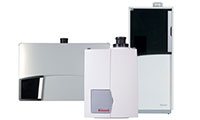


Boilers
Showing 46–54 of 56 results
-
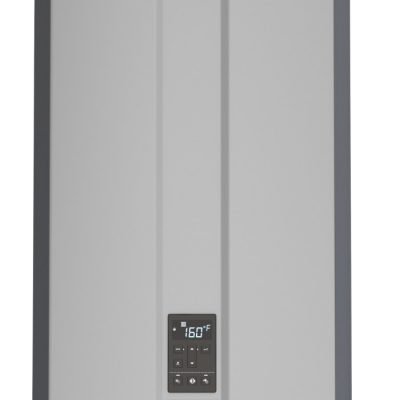
Rinnai i120SN Gas Boiler
-
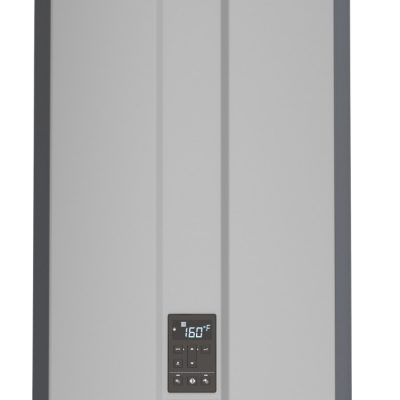
Rinnai i150SN Gas Boiler
-
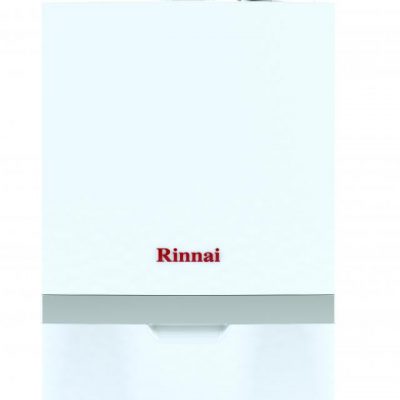
Rinnai M060CN-SN Combi Natural Gas Boilers
-
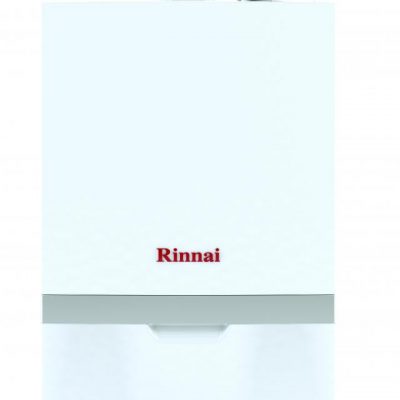
Rinnai M090CN-SN Combi Natural Gas Boilers
-
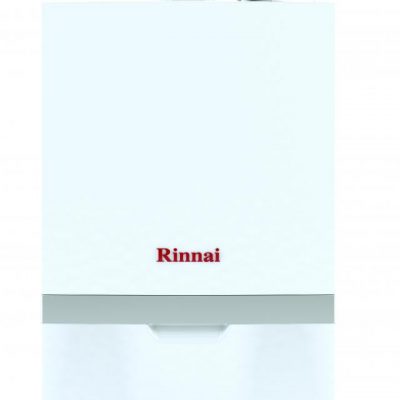
Rinnai M120CN-SN Combi Natural Gas Boilers
-
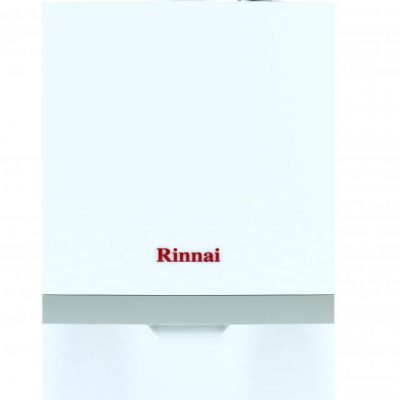
Rinnai M160CN-SN Combi Natural Gas Boilers
-
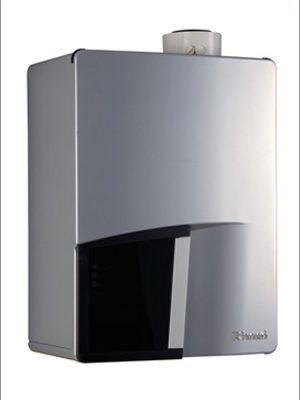
Rinnai Q130 Condensing Gas Boilers
-
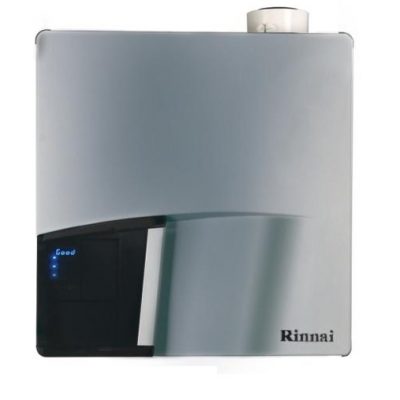
Rinnai Q175 Condensing Gas Boilers
-
Rinnai Q205 Condensing Gas Boilers
Boilers for Hydronic Heating in Toronto and the GTA
Boilers heat water for radiators, baseboard circuits or other compatible hydronic heating systems. The right replacement must match the building’s heating load, water distribution and hot-water requirements; choosing the same input as an older boiler can preserve an oversized installation rather than improve comfort.
Choose the Boiler Configuration Before Comparing Sizes
The collection includes heating-only and combination equipment. These decisions determine how the boiler connects to your home and what other components belong in the quotation.
Heating Only or Combination
A heating-only boiler serves the space-heating circuit, with domestic hot water handled separately or through a compatible indirect tank. A combi model also supplies domestic hot water; check simultaneous demand before replacing a storage-based arrangement.
Load and Modulation
Compare calculated heating demand with both maximum and minimum output. A large domestic hot-water rating does not mean the home needs that capacity for heating; minimum output affects cycling during milder weather.
Distribution Compatibility
Radiators, in-floor heating and mixed-temperature zones have different water-temperature and pumping needs. Retaining the existing distribution can be practical, but the new boiler still needs a suitable hydraulic and control design.
Condensing Performance Depends on the Whole System
A condensing boiler’s performance depends partly on return-water temperature, not just its advertised efficiency. Ask how the proposed controls and water temperatures support efficient operation with your existing emitters.
For Toronto winters, confirm that radiators or floor circuits can deliver the required heat at the proposed design conditions. An efficiency upgrade should not leave rooms unable to reach their set temperature.
Installation and Replacement Scope
A boiler replacement may involve venting, combustion-air provisions, gas supply, condensate handling, pumps, expansion capacity and controls. Existing piping should be assessed for condition and suitability before it is reused.
Compare the equipment footprint with the working space needed for future maintenance. A compact wall-mounted boiler does not remove the need for accessible valves and service components.
Compare Complete Installed Costs
Separate the boiler price from indirect storage, zone controls, piping changes, venting and commissioning. Quotes that omit those items can appear cheaper while describing a different project.
Heating-only and combination options should be compared against the same household hot-water demand. Replacing two appliances with one may save space, but suitability depends on capacity and the plumbing arrangement.
Prepare for a Boiler Selection Assessment
Use the existing system as evidence, then verify what the property needs now. These checks help produce comparable replacement proposals.
Boiler Replacement Checklist
- Record the current boiler model, fuel and distribution type.
- Request a heating-load assessment and review minimum modulation.
- Describe bathrooms and simultaneous hot-water use.
- Inspect emitters, zones, pumps and water condition.
- Confirm venting, condensate routing and maintenance access.
- Request commissioning and control settings in the installed scope.
Plan a Boiler That Fits Your Home
Bring the existing equipment details and comfort concerns to the assessment. Select a boiler around the heating system and household demand before deciding on an equipment package.
FREE In-Home Estimate