


Residential Models
Showing all 2 results
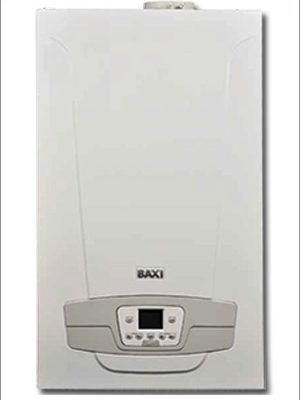
Residential Models for High-Efficiency Hydronic Heating
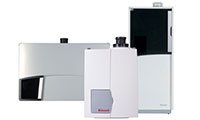
Residential Models are wall-mounted condensing gas boilers designed for home hydronic heating, with options for space heating only or combined space heating and domestic hot water. The category is suited to applications such as radiators, hydronic baseboards and radiant-floor systems where boiler capacity, modulation, hot-water demand and operating temperature need to be matched to the home.
For Toronto and GTA homes, selecting the right residential boiler requires more than comparing maximum BTU output. Heat loss, minimum firing rate, domestic hot-water demand, existing radiation, gas supply, venting and replacement conditions all affect which configuration will perform properly.
Heat-Only vs Combi Residential Models
The most important category decision is whether the boiler will provide space heating only or also produce domestic hot water. Luna Duo-tec residential models include both configurations, allowing the heating and hot-water strategy to be matched to the property instead of treating every installation the same way.
Residential Boiler Capacity and Model Selection
Residential models cover different heating and domestic-water requirements. Larger input does not automatically mean better performance because the boiler must operate effectively during both Toronto design-day conditions and the much milder temperatures that occur through most of the heating season.
Heat-Only Home
Choose a heat-only configuration when domestic water is already handled by a suitable separate system or will use an indirect tank.
Heating and Hot Water
A combi configuration can reduce equipment count when its space-heating capacity and domestic-water output both match the household.
Lower Heating Load
Avoid moving to a higher-capacity model unless the calculated heat loss requires it, because excessive capacity can increase cycling.
Higher Heating Load
Higher-input residential models become relevant when a proper load calculation confirms that the smaller models cannot cover design conditions.
High Hot-Water Demand
A larger combi model may provide more domestic-water capacity, but simultaneous fixture demand and winter inlet-water temperature still need to be checked.
Small Hydronic Zones
Minimum firing capacity matters because a boiler that cannot modulate low enough for a small active zone can cycle even when maximum sizing is correct.
Luna Duo-tec 1.33GA Heat-Only Boiler
The 1.33GA is a wall-mounted modulating condensing boiler with approximately 125,000 BTU of maximum input and 95% AFUE. It is designed primarily for central hydronic heating rather than integrated domestic hot-water production.
This configuration can make sense when the home uses a separate water heater or an indirect tank. The 5.5:1 central-heating turndown helps the boiler reduce output as heating demand falls, but the 125,000 BTU maximum should still be justified by a heat-loss calculation.
Luna Duo-tec 40GA Combi Boiler
The 40GA combines approximately 125,000 BTU of central-heating input with instantaneous domestic hot-water production. Its domestic-water rating is approximately 3.9 gallons per minute at a 70°F temperature rise, making household water usage an important part of model selection.
The advantage is compact integration of two functions. The limitation is that domestic-water performance depends on required temperature rise and simultaneous fixture demand, so a household should not choose the 40GA from heating capacity alone.
Luna Duo-tec 1.48GA Heat-Only Boiler
The 1.48GA increases central-heating input to approximately 164,000 BTU while retaining a heat-only configuration. It provides the same 95% AFUE efficiency class and modulating condensing approach but addresses higher calculated hydronic loads.
The larger rating should not be used simply because the home has several heating zones or a large floor area. Building envelope, design temperature and actual emitter requirements determine whether the additional capacity is necessary.
Luna Duo-tec 60GA Combi Boiler
The 60GA provides approximately 164,000 BTU of central-heating input and can increase input for domestic hot-water production. Domestic-water flow is approximately 5 gallons per minute at a 70°F temperature rise, giving it greater hot-water capability than the smaller combi configuration.
This additional output can benefit homes with higher domestic-water demand, but it does not guarantee that every combination of showers, tubs and fixtures can operate simultaneously. Peak usage needs to be evaluated under realistic Toronto winter conditions.
Residential Combi Boiler Hot-Water Performance
Combi boiler selection must consider temperature rise as well as published flow rate. Incoming water is colder during Toronto winters, so the boiler must add more heat to deliver the same outlet temperature than it does when inlet water is warmer.
A larger household may therefore need a higher-output combi model or a separate stored-water solution even when its space-heating load is relatively modest. Heating capacity and domestic-water capacity should be evaluated as two separate requirements.
Choosing a Combi Boiler From Maximum Flow Alone
A model may appear capable of supplying several fixtures when only its flow rating is considered. If colder winter inlet water requires a larger temperature rise, usable hot-water flow can fall and simultaneous showers or fixtures may not perform as expected.
Combi Boiler vs Heat-Only Boiler With Indirect Tank
Both configurations can provide hydronic space heating and domestic hot water, but they handle peak water demand differently. A combi produces hot water as required, while an indirect tank stores heated water for later use.
95% AFUE and Condensing Boiler Performance
Residential Luna Duo-tec models operate at 95% AFUE and use modulating condensing technology. Their efficiency advantage depends partly on recovering heat from combustion gases that would otherwise leave through the vent.
The AFUE rating should not be treated as guaranteed operating efficiency in every hydronic system. Boiler sizing, return-water temperature, cycling, outdoor reset and emitter design influence how often the equipment operates under favourable condensing conditions.
Why Hydronic Water Temperature Matters
A condensing boiler performs most effectively when return-water temperature remains low enough to promote condensation. Radiant floors commonly operate at favourable lower temperatures, while some traditional radiator and baseboard systems may require hotter water during very cold weather.
This does not automatically make an older hydronic system unsuitable. It means the installer should determine the lowest practical water temperature that still satisfies the home's heating load rather than automatically copying the old boiler settings.
Residential Models for Radiant Floor Heating
Radiant floors are often a strong application for modulating condensing boilers because they can deliver comfort using relatively low water temperatures. Lower return temperatures can increase opportunities for condensing operation.
Small radiant zones still require careful design. If only one low-load zone calls and its demand falls below minimum boiler output, short cycling can occur despite the system's high rated efficiency.
Residential Models for Radiators
Residential condensing boilers can serve radiator systems when boiler capacity, flow and water temperature are properly matched. Older Toronto homes with generously sized cast-iron radiators may be able to maintain comfort at lower water temperatures during much of the season.
Installing a larger boiler does not compensate for an undersized radiator or poor circulation in a problem room. Distribution issues should be identified separately from boiler capacity.
Residential Models for Hydronic Baseboards
Fin-tube baseboards can also work with these boilers, but their heat output changes significantly with water temperature. Homes with limited baseboard length may require hotter water than homes with more emitter surface area.
This affects condensing performance. System selection should therefore consider not only how many BTUs the boiler can produce but also the temperature at which the existing distribution system needs those BTUs delivered.
Boiler Modulation and Part-Load Performance
Residential heating demand changes constantly with outdoor temperature, solar gain, occupancy and active zones. Modulation allows the burner to reduce input rather than repeatedly operating at maximum output.
A wider usable operating range can improve part-load behaviour, but modulation has limits. If the home's active load falls below the boiler's minimum firing capacity, the burner eventually has to shut down and restart.
Why Boiler Oversizing Causes Problems
Choosing the largest residential model for extra capacity can work against efficient operation. A boiler sized far above the home's actual heat loss may spend much of the season operating near minimum fire and cycling frequently.
Replacing an Oversized Boiler With the Same BTU Rating
An older boiler may have been substantially oversized when it was installed. Repeating that capacity without recalculating the home's current heat loss can preserve short cycling and poor part-load performance even though the replacement boiler is more efficient.
Heat-Loss Sizing for Toronto and GTA Homes
Residential boiler sizing should start with the home's design heat loss. Exterior exposure, insulation, windows, air leakage and Toronto winter conditions determine how much heat the building actually requires.
Square footage and existing boiler capacity are not reliable substitutes. This is especially important in older GTA homes that have received new windows, insulation or air-sealing improvements since the original heating system was installed.
Outdoor Reset and Seasonal Efficiency
Outdoor reset can reduce boiler water temperature as outdoor conditions become milder and raise it as the weather becomes colder. This allows the heating system to respond more closely to actual building demand.
The benefit depends on correct setup. A reset curve that keeps water unnecessarily hot can reduce condensing opportunities, while a curve set too low may leave the home unable to maintain temperature during colder weather.
Natural Gas and Propane Applications
Residential Luna Duo-tec models support natural gas and propane applications. Fuel selection normally follows the available service at the property, but combustion setup and approved configuration must match the actual fuel.
Propane compatibility can be useful for homes without natural-gas service, but fuel choice should be considered alongside operating costs, storage requirements and existing infrastructure rather than boiler efficiency alone.
Residential Boiler Installation
Residential boiler installation should address heat-loss sizing, hydronic flow, gas supply, combustion air, exhaust venting, condensate drainage, electrical connections, expansion control, circulation, zoning, water quality and control setup. Combi installations also require domestic-water flow and temperature-rise calculations.
A compact wall-mounted boiler can save mechanical-room space, but it is not necessarily a simple replacement. Converting from an older floor-standing or chimney-vented boiler can require significant piping and venting changes.
Gas-Line Sizing
The gas line must supply the selected boiler at maximum demand while accounting for other gas appliances that may operate simultaneously. Higher-output residential models can require more fuel capacity than the equipment they replace.
An existing gas connection should therefore be verified rather than automatically reused. Pipe diameter, length, pressure and total connected load determine whether modifications are necessary.
Condensing Boiler Venting
Residential condensing boilers use approved direct-vent arrangements rather than relying on a traditional masonry chimney in the same way as many older boilers. Vent material, length, fittings, combustion-air configuration and termination location affect installation feasibility.
For replacement projects, the proposed vent route should be confirmed before the boiler location is finalized. Difficult exterior termination conditions can materially change installation scope.
Condensate Drainage
Condensing operation produces water that needs an appropriate drainage path. The mechanical-room layout should therefore account for condensate at the same stage as gas, venting and hydronic piping.
A location without convenient drainage can require additional condensate-handling equipment. This is one reason a wall-mounted boiler should not be selected solely because it physically fits the available wall space.
Water Quality During Boiler Replacement
Existing hydronic systems can contain sediment, corrosion products and other contaminants accumulated over years of operation. Connecting a new boiler without evaluating system-water condition can introduce that material into new pumps and heat-transfer components.
System cleaning and appropriate water preparation should therefore be considered during replacement, particularly when modern equipment is being connected to older radiators or piping.
Replacing an Existing Residential Boiler
A residential boiler replacement should reassess heating load, emitter requirements, water temperatures, zoning, domestic hot-water strategy, gas capacity, venting and hydronic condition. The existing boiler model provides useful information but should not dictate the replacement size.
This is also the point to decide whether the home should remain heat-only, move to a combi configuration or use a boiler with separate domestic-water storage. The best choice depends on how the household uses heat and hot water today rather than how the original system was configured.
Replacing a Heat-Only Boiler
If the existing home already has an effective separate water heater or indirect tank, another heat-only boiler can preserve that arrangement. This allows space-heating capacity to be selected independently from domestic-water demand.
A combi conversion becomes more attractive when separate water-heating equipment also needs replacement and household demand fits instantaneous production. The reduced equipment footprint should be weighed against peak-flow limitations.
Replacing a Combi Boiler
Replacing an existing combi should include a fresh assessment of both building heat loss and domestic-water demand. Matching the old boiler's maximum input does not guarantee the same hot-water experience from a different model.
Changes in household size, bathrooms and fixture use can alter the correct replacement strategy. A separate indirect tank may become more appropriate if peak hot-water demand has increased substantially.
Residential Condensing Boiler vs Conventional Boiler
A modern condensing residential boiler provides modulation and higher rated efficiency than many older non-condensing boilers. It can also use sealed venting configurations that avoid dependence on an existing chimney.
The trade-off is a more specialized installation that requires condensate drainage, compatible venting and proper control of hydronic water temperatures. Total replacement scope matters more than the appliance price alone.
Residential Boiler vs Cold-Climate Heat Pump
A residential boiler provides hydronic heating through water, while conventional air-source cold-climate heat pumps deliver heating and cooling through air. The choice can therefore affect much more than the heat source itself.
Homes with extensive radiators, baseboards or radiant floors can often preserve their existing distribution when replacing a boiler. Converting to a ducted or ductless heat pump may add cooling and reduce direct fuel use but can require electrical and distribution-system changes.
Residential Boiler Installation Cost
Installed cost depends on model and capacity, heat-only or combi configuration, gas piping, venting, condensate drainage, hydronic modifications, controls, pumps, water treatment and removal of existing equipment. Domestic-water changes can add another major cost variable.
Comparing equipment prices alone can therefore be misleading. Two boilers with similar purchase prices may result in very different total project costs when one requires extensive venting, piping or domestic-water changes.
What Changes Residential Boiler Replacement Cost?
The following factors should be identified before installation proposals are compared. They reveal whether the project is primarily an equipment replacement or a broader hydronic-system upgrade.
- Calculated building heat loss
- Required boiler input and minimum firing rate
- Heat-only or combi configuration
- Household domestic hot-water demand
- Natural gas or propane operation
- Radiators, baseboards or radiant-floor heating
- Required supply and return water temperatures
- Number and size of hydronic zones
- Existing gas-line capacity
- Combustion-air and exhaust venting
- Condensate drainage
- Hydronic piping modifications
- Circulator and control requirements
- Existing system-water condition
- Domestic-water piping changes
- Removal of the existing boiler and related equipment
Residential Boiler Selection Checklist
The strongest system choice balances winter heating capacity with part-load performance and, for combi models, realistic domestic hot-water demand. Complete these checks before selecting a residential model or planning a boiler replacement.
Choose the Right Residential Model
- Complete a current heat-loss calculation before selecting boiler capacity.
- Do not automatically duplicate the BTU rating of the existing boiler.
- Choose between heat-only and combi operation before comparing individual models.
- Calculate domestic hot-water demand separately from space-heating demand.
- Account for colder Toronto inlet water when evaluating combi flow performance.
- Compare minimum boiler input with the smallest active heating zone.
- Determine required water temperatures for existing radiators, baseboards or radiant floors.
- Review outdoor-reset settings for the actual hydronic distribution system.
- Verify natural gas or propane requirements before equipment selection.
- Confirm gas-line capacity for the boiler and other connected appliances.
- Plan an approved combustion-air and exhaust route before installation.
- Confirm a practical condensate drainage method.
- Assess pumps, zoning, expansion control and hydronic flow.
- Inspect existing system-water condition before connecting new equipment.
- Compare combi operation with a separate indirect tank when hot-water demand is high.
- Compare complete installed costs rather than boiler prices alone.
Choosing Residential Models for Toronto and the GTA
Residential Models provide compact, high-efficiency options for homes using hydronic heating, with heat-only and combi configurations available for different heating and domestic-water requirements. The correct choice depends on capacity, modulation, emitter temperatures, zoning and hot-water usage rather than a single efficiency or BTU number.
For Toronto and GTA boiler installation or replacement, start with the home's current heat loss and hydronic system, then determine whether domestic hot water should remain separate or be integrated into a combi boiler. That approach helps match the equipment to both cold-weather demand and everyday part-load operation.
FREE In-Home Estimate