

Performance Residential Series
Showing all 9 results
-
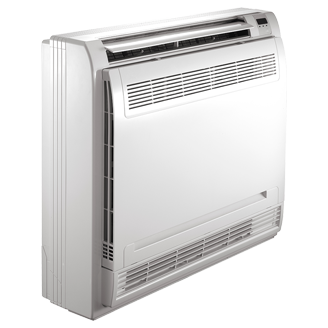
Carrier Performance Residential Ductless System Cassette Indoor Unit 40MBC
-
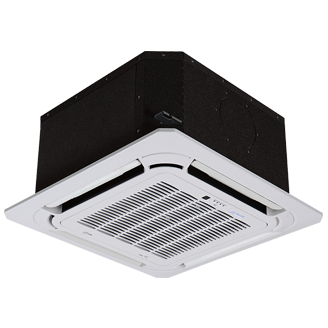
Carrier Performance Residential Ductless System Cassette Indoor Unit 40MBCQ
-
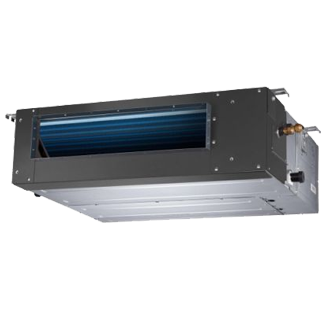
Carrier Performance Residential Ductless System Ducted Indoor Unit 40MBD
-
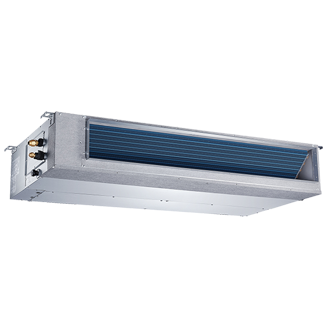
Carrier Performance Residential Ductless System Ducted Indoor Unit 40MBDQ
-
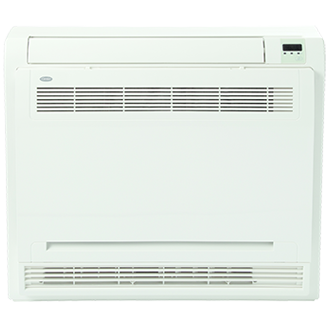
Carrier Performance Residential Ductless System Floor Console Indoor Unit 40MBF
-
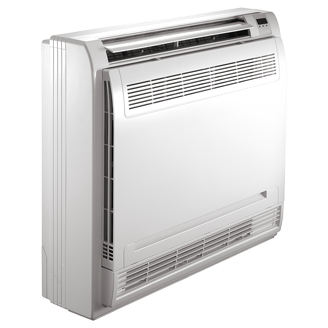
Carrier Performance Residential Ductless System Floor Console Indoor Unit 40MBFQ
-
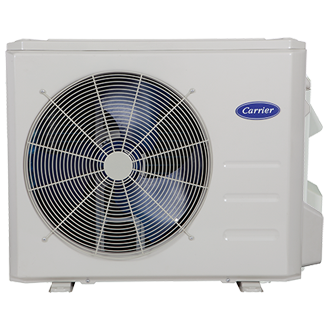
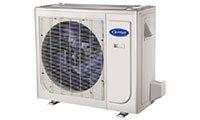
Carrier Performance Residential Ductless System Heat Pump with Basepan Heater 38MAR
-
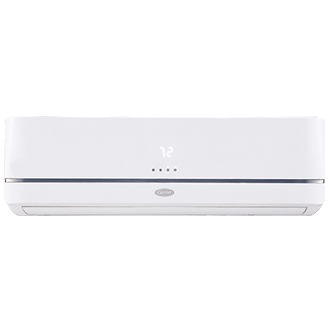
Carrier Performance Residential Ductless System High Wall Indoor Unit 40MAQ
-
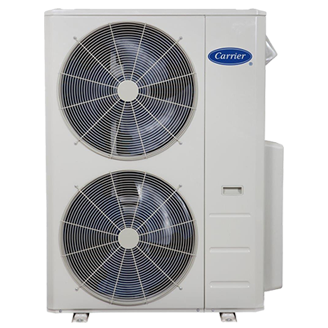
Carrier Performance Residential Ductless System Multi-ZoneHeat Pump with Basepan Heater 38MGR
Performance Residential Series Ductless Systems
Performance Residential Series ductless systems are inverter-driven residential heat pumps and indoor units designed for single-zone or multi-zone heating and cooling without conventional whole-home ductwork. The category includes the 38MAR single-zone heat pump, 38MGR multi-zone heat pump, 40MAQ high-wall unit, and cassette, ducted, and floor-console indoor units for different room layouts and installation requirements.
For Toronto and GTA homes, the main decision is whether one room or several zones need conditioning. From there, winter heating capacity, room-by-room sizing, indoor-unit style, refrigerant-line routing, electrical requirements, outdoor-unit placement, and installation cost determine which Performance configuration makes the most sense.
Performance Residential Series Products
The nine products in this category are not interchangeable standalone systems. The outdoor heat pumps provide the heating and cooling capacity, while the indoor units determine how conditioned air is delivered within each room.
38MAR Single-Zone Performance Heat Pump
The 38MAR is the primary single-zone outdoor heat pump in this category. It uses an inverter compressor and can reach up to 25 SEER cooling efficiency and 12 HSPF heating efficiency with qualifying indoor-unit combinations.
Its strongest application is a room or defined area that needs dedicated year-round comfort. This could include an addition, bedroom, home office, converted garage, upper floor, or older Toronto home where extending central ductwork would be difficult.
38MAR Cold-Weather Heating
The 38MAR can maintain full heating capacity around -15°C with applicable sizes and matched indoor equipment. Its heating operating range can extend considerably lower on qualifying configurations, making cold-weather output an important advantage for GTA installations where the system will operate throughout winter.
Low-temperature operation does not guarantee that every 38MAR size can carry every room's full winter load. The heat pump still has to be selected against the actual heat loss of the space.
Sizing a 38MAR From Summer Cooling Alone
A room with a modest cooling requirement can still have a high winter heat loss because of windows, air leakage, insulation, or exterior exposure. Selecting the heat pump only from summer BTU demand can result in greater reliance on supplemental heat during severe Toronto winter conditions.
38MGR Multi-Zone Performance Heat Pump
The 38MGR is the multi-zone outdoor heat pump in this category. Available configurations allow two to five compatible Performance indoor units to operate from one outdoor inverter system, making it suitable when several rooms need individual heating and cooling without installing a separate condenser for every zone.
Applicable combinations can reach up to 23.8 SEER and 10.5 HSPF. Sizes from 24 to 36 can maintain full heating capacity around -15°C with appropriate system combinations, giving the platform meaningful cold-weather capability as well as multi-room flexibility.
38MAR Single-Zone vs 38MGR Multi-Zone
Choosing between these outdoor units should start with the number of rooms being conditioned rather than maximum efficiency. A dedicated single-zone system gives one room its own outdoor capacity, while a multi-zone system shares outdoor capacity across several indoor units.
Choosing the Right Performance Indoor Unit
Once the outdoor system is selected, the next decision is how each room should receive conditioned air. High-wall, cassette, ducted, and floor-console units solve different architectural and airflow problems, so appearance should not be the only selection factor.
40MAQ High Wall
Choose when upper-wall space is available and direct room air delivery is practical. Installation is generally less invasive than concealed ducted or ceiling cassette configurations.
40MBC or 40MBCQ Cassette
Consider when overhead placement provides better distribution or avoids a visible wall unit. Ceiling clearance, drainage, and service access must be confirmed first.
40MBD or 40MBDQ Ducted
Choose when concealed equipment and supply registers are preferred. This option adds duct design, static-pressure, return-air, drainage, and access requirements.
40MBF or 40MBFQ Floor Console
Consider where windows, sloped ceilings, or limited upper-wall space make a high-wall unit impractical. Furniture must not block intake or discharge airflow.
Single-Zone Room
Select a compatible indoor unit that matches both the 38MAR and the room load rather than choosing solely from physical unit size.
Multi-Zone Home
Different indoor-unit styles can be used to solve different room conditions, but the complete combination must remain compatible with the selected outdoor system.
40MAQ High-Wall Indoor Unit
The 40MAQ can be paired with the 38MAR for a single-zone system or with the 38MGR in a multi-zone installation. It offers four indoor fan speeds, Turbo and Sleep modes, remote temperature sensing, and indoor sound levels as low as approximately 27 decibels.
A high-wall unit is usually the most straightforward option when a suitable wall location exists. The trade-off is visibility: homeowners prioritizing concealed equipment may prefer a cassette or ducted indoor unit despite the more involved installation.
40MBC and 40MBCQ Cassette Indoor Units
The 40MBC and 40MBCQ provide overhead indoor-unit options for Performance ductless systems. They offer heating, cooling, dry, fan, and automatic operation with three fan speeds, while built-in condensate pumping helps manage drainage where gravity routing is difficult.
Cassettes can improve air distribution in open rooms and keep wall space free, but they require appropriate ceiling construction. A cassette should not be selected until ceiling depth, framing, drainage, refrigerant piping, electrical access, and future servicing have been considered.
40MBD and 40MBDQ Ducted Indoor Units
The ducted indoor units allow Performance systems to deliver conditioned air through short supply ducts while keeping the fan coil itself concealed. The 40MBD supports applications up to approximately 2 tons, while the 40MBDQ extends into larger capacities and offers greater external static capability for suitable ducted layouts.
This makes the ducted option useful where aesthetics or multi-room distribution matter more than minimizing installation complexity. Unlike a high-wall unit, its performance depends partly on correct duct sizing, return-air design, static pressure, and access for maintenance.
40MBD vs 40MBDQ
The two ducted models should be selected from airflow, capacity, and duct-system requirements rather than assuming the newer or larger model is automatically preferable. A compact application with short ducts does not necessarily benefit from additional static-pressure capability.
40MBF and 40MBFQ Floor Console Indoor Units
Floor-console units provide heating and cooling from a low-wall position. They are especially useful where large windows, low ceilings, sloped ceilings, or architectural features leave little suitable space for a high-wall indoor unit.
The 40MBF can work within compatible single-zone and multi-zone configurations, while the 40MBFQ provides another compact floor-console option with quiet operation reaching approximately 30 decibels on suitable sizes. Available wall space at floor level should be checked against furniture placement before selecting either model.
Which Indoor Unit Fits the Room?
The right indoor unit depends on room geometry and installation constraints as much as aesthetics. This comparison helps narrow the choice before capacity and system pairing are finalized.
Performance Series Sizing for Toronto Homes
Nominal BTU capacity should be selected from the heating and cooling load of each room rather than square footage alone. Window area, insulation, air leakage, exterior-wall exposure, ceiling height, solar gain, occupancy, and intended winter use can materially change the required capacity.
This becomes especially important with the 38MGR. Multi-zone systems may have several indoor units connected to one outdoor unit, but the outdoor system still has a finite amount of heating and cooling capacity available when several zones call at the same time.
Adding More Indoor Units Without Rechecking the 38MGR Load
A multi-zone outdoor unit can support several indoor units, but connection count is not the same as unlimited capacity. If too much simultaneous heating or cooling demand is connected, individual rooms can take longer to reach setpoint during peak Toronto weather.
Why Oversizing Can Reduce Comfort
Both 38MAR and 38MGR use inverter technology that allows output to adjust as demand changes. That flexibility improves part-load operation, but it does not make system sizing irrelevant.
An oversized unit can still reach its minimum output before the room needs that much heating or cooling. Proper load matching gives variable-speed equipment more opportunity to run steadily rather than repeatedly reaching setpoint and reducing output to its lower operating limit.
Performance Series for Toronto Winter Heating
The 38MAR and 38MGR include built-in basepan heaters and cold-weather heating capability, making them more suitable for GTA winter operation than heat pumps designed primarily for mild climates. Applicable configurations can maintain full heating capacity around -15°C.
The correct system still depends on design conditions. A well-insulated interior room and a poorly insulated addition can have very different heat losses at the same outdoor temperature, even when their floor areas are similar.
Basepan Heater and Winter Installation
The basepan heater helps manage ice around the outdoor heat-pump base during freezing weather and defrost cycles. It is useful in Toronto conditions, but it does not replace proper outdoor-unit installation.
The condenser should remain above expected snow accumulation with enough clearance for unrestricted airflow and defrost drainage. Locations below roof edges, downspouts, or areas where meltwater repeatedly freezes around the unit can create avoidable winter problems.
Performance Series Efficiency
The 38MAR can reach up to 25 SEER and 12 HSPF, while qualifying 38MGR multi-zone configurations can reach up to 23.8 SEER and 10.5 HSPF. Indoor-unit efficiency is dependent on the complete outdoor and indoor pairing, so an indoor model should not be assigned an efficiency rating by itself.
The highest rating is not always the most valuable selection criterion. A homeowner conditioning one room can benefit from the dedicated efficiency of the 38MAR, while a home requiring several independent zones may gain more practical value from the 38MGR even with a somewhat lower maximum seasonal rating.
Single-Zone Efficiency vs Multi-Zone Flexibility
A 38MAR system dedicates its outdoor capacity to one indoor zone and can achieve the category's highest seasonal efficiency. A 38MGR system trades some of that dedicated performance for the ability to serve several different rooms from one condenser.
If only one room requires ductless heating and cooling, multi-zone equipment can add unnecessary capacity and installation complexity. If three or four rooms need independent comfort, installing separate single-zone systems can increase exterior equipment count and may be less practical than one correctly designed multi-zone system.
Performance Residential Series vs Premium Ductless Systems
The Performance Residential Series is positioned around a balance of efficiency, cold-weather capability, indoor-unit flexibility, and installed cost. Premium ductless equipment may offer higher maximum efficiencies, more advanced controls, or different low-temperature performance, but those benefits should solve a real comfort requirement before they justify a higher equipment investment.
Performance equipment can be a strong choice where homeowners want inverter heating and cooling without automatically moving to the highest product tier. For demanding whole-winter heating applications, the detailed low-temperature output of the selected system should still be compared with premium alternatives before installation.
Performance Ductless vs Central HVAC
These systems are particularly useful in homes without usable ductwork, additions, renovated spaces, and rooms that remain uncomfortable despite central heating and cooling. Installing a dedicated ductless zone can avoid extending or redesigning a central duct system.
Where properly sized and balanced central ductwork already serves every room, replacing the central system may be more practical than installing multiple ductless indoor units. The advantage of the Performance category is strongest where zoning or duct limitations create a specific problem to solve.
Best Applications for Performance Residential Systems
The products in this category cover several residential installation scenarios. Matching the application to the correct system path prevents paying for zones or installation features the home does not need.
One Problem Room
A 38MAR single-zone system can provide dedicated heating and cooling without changing the operation of the rest of the home.
Several Rooms Without Ductwork
A 38MGR multi-zone system can connect two to five indoor units while limiting the number of outdoor condensers around the property.
Older Toronto Homes
High-wall, cassette, floor-console, and concealed ducted options can reduce the need to build extensive new ductwork through finished interiors.
Home Additions
A dedicated system can condition new space without assuming the existing furnace or central air conditioner has spare capacity for the added load.
Finished Attics and Upper Floors
High-wall or floor-console equipment can address spaces with temperature problems and architectural constraints that make conventional duct distribution difficult.
Concealed Comfort
Cassette and ducted indoor units provide alternatives when homeowners do not want a high-wall fan coil to be the dominant visual element in a room.
Performance Residential Series Installation
Installation scope changes substantially depending on the products selected. A 38MAR with one 40MAQ high-wall unit is a different project from a 38MGR serving several cassettes, ducted units, or floor consoles throughout a home.
Professional system design should address refrigerant piping, pressure testing, evacuation, condensate drainage, electrical service, communication wiring, indoor airflow, outdoor clearances, snow elevation, refrigerant setup, and final commissioning. Equipment specifications cannot compensate for installation problems in these areas.
Refrigerant Line and Drain Routing
The 38MAR supports long refrigerant runs on applicable capacities, while the 38MGR can support substantial combined piping lengths in a multi-zone layout. Those limits provide installation flexibility but should not be treated as targets.
A shorter practical route can reduce exterior line-cover requirements, labour, pressure-drop considerations, and future service complexity. Indoor-unit locations should therefore be selected with both room airflow and the complete piping route in mind.
Electrical Requirements
The category includes equipment using 208 or 230-volt power, while certain 38MAR and 40MAQ configurations also provide 115-volt options. The correct electrical requirements depend on system size and pairing.
Available panel capacity should be checked before equipment is finalized, particularly in older Toronto homes. A required electrical upgrade can materially affect project cost and should be identified before comparing installation quotes.
Performance Residential Series Replacement
Replacing an older ductless system should include a review of refrigerant lines, piping dimensions, electrical supply, communication wiring, drains, mounting locations, and compatibility with the new equipment. Similar capacity does not automatically make an existing installation reusable.
Replacement also creates an opportunity to reconsider system architecture. A home with one failed single-zone system may still be best served by another dedicated 38MAR installation, while several new comfort problems could justify evaluating a 38MGR multi-zone design.
Legacy Model Availability and Replacement Planning
Some products in this category belong to established Performance platforms that may have newer successor equipment in the broader ductless lineup. That makes availability an important consideration when selecting equipment for a new installation or planning a future replacement.
For an existing system, model compatibility and service requirements should be checked before assuming an older outdoor unit can accept a newly selected indoor unit. For a new project, confirming current equipment availability can prevent designing the installation around a configuration that is limited in supply.
Performance Residential Series Installation Cost
Installed cost depends primarily on system configuration and site conditions. A single high-wall system generally requires less labour and building work than a multi-zone installation with several indoor units distributed across different floors.
Cassette and ducted units can also increase installation scope because they require ceiling or mechanical access, drainage, and sometimes additional ductwork. The useful comparison is therefore complete installed cost rather than the price of one indoor or outdoor unit.
What Affects Performance Ductless Installation Cost?
These factors can materially change the project scope. Identifying them before equipment selection makes quotes easier to compare and reduces the risk of choosing a configuration around an unrealistic installation assumption.
- 38MAR single-zone or 38MGR multi-zone configuration
- Number of conditioned rooms
- Heating and cooling capacity required in each zone
- 40MAQ high-wall installation
- 40MBC or 40MBCQ ceiling cassette installation
- 40MBD or 40MBDQ concealed ducted installation
- 40MBF or 40MBFQ floor-console installation
- Refrigerant-line length and routing complexity
- Condensate drainage or pump requirements
- Electrical circuit or panel upgrades
- Outdoor-unit stands or wall brackets for winter clearance
- Ceiling and mechanical-space access
- Removal of existing ductless equipment
- Replacement of incompatible existing piping or wiring
Performance Residential Series Selection Checklist
The final system should be assembled from the home's actual room loads and installation conditions rather than choosing an indoor unit first. Use these checks to narrow the nine products into the configuration that best fits the project.
Choose the Right Performance Residential System
- Choose the 38MAR when one defined residential zone needs dedicated heating and cooling.
- Consider the 38MGR when two to five rooms need independent indoor units from one outdoor system.
- Calculate the heating and cooling load of each room before selecting BTU capacity.
- Compare low-temperature heating capacity when the system will provide substantial Toronto winter heat.
- Use the 40MAQ where a high-wall location provides clear room airflow.
- Consider the 40MBC or 40MBCQ where ceiling installation provides better distribution.
- Consider the 40MBD or 40MBDQ when concealed equipment and short duct runs are preferred.
- Use the 40MBF or 40MBFQ where upper-wall and ceiling installation are impractical.
- Check indoor and outdoor model compatibility before finalizing the system.
- Size multi-zone outdoor capacity around realistic simultaneous zone demand.
- Plan refrigerant piping and condensate drainage before confirming indoor-unit positions.
- Provide sufficient outdoor clearance for airflow, snow, and defrost drainage.
- Verify electrical panel capacity and circuit requirements before installation.
- Inspect existing refrigerant lines and wiring before deciding what can be reused during replacement.
- Confirm current model availability when planning a new system or replacing older Performance equipment.
- Compare complete installed scope rather than equipment price alone.
Choose the Right Performance Residential Series System
The Performance Residential Series provides two main paths for residential ductless comfort: the 38MAR for a dedicated single zone and the 38MGR for multiple rooms. The 40MAQ high-wall, 40MBC and 40MBCQ cassette, 40MBD and 40MBDQ ducted, and 40MBF and 40MBFQ floor-console units allow the indoor side of the system to match different room layouts.
For Toronto and GTA homes, the best configuration is the one that matches room-by-room loads, winter heating requirements, zone count, indoor-unit placement, outdoor-unit location, electrical capacity, and installation layout. Correct system design is more important than simply selecting the highest efficiency rating or largest available capacity.
FREE In-Home Estimate