


Zuba-Central
Showing the single result
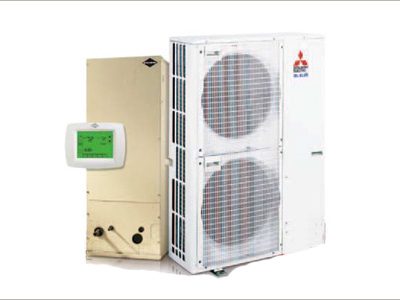
Zuba Central Ducted Heat Pump Systems
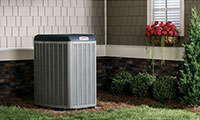
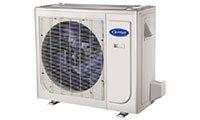
Zuba Central is a cold-climate, centrally ducted heat pump system that provides whole-home heating and air conditioning through new or existing ductwork. Although it belongs to a product family that includes ductless equipment, Zuba Central itself is not a wall-mounted ductless system.
This category is best suited to Toronto and GTA homes that already have central ducts and need a furnace replacement, air conditioner replacement, or fully electric heating and cooling solution. Proper system selection depends on winter heat loss, low-temperature capacity, duct condition, electrical service, backup heat, and installation design.
Zuba Central vs Ductless Heat Pump Systems
The main difference is how conditioned air reaches each room. Zuba Central uses one indoor air handler and central ductwork, while ductless systems use individual indoor units installed directly in the rooms or zones they serve.
When Zuba Central Is the Right Choice
A central heat pump should be selected because it matches the home’s structure and heating requirements, not simply because ductwork is present. These factors determine whether Zuba Central is more practical than a ductless or hybrid alternative.
Usable Existing Ductwork
Homes with correctly sized and reasonably balanced ducts can distribute heating and cooling without adding visible indoor heads. Poor ducts may require repairs or redesign before installation.
Whole-Home Comfort
A central air handler serves multiple rooms through one distribution system. This can provide a more consistent appearance and operating experience than several separate ductless units.
Furnace Replacement
The system can replace an aging furnace when its cold-weather output, electrical requirements, and backup-heating design are matched to the home’s calculated heat loss.
Central Air Replacement
Replacing an old air conditioner with a heat pump adds heating capability as well as cooling. The indoor equipment and controls must be replaced or verified as a compatible matched system.
Home Electrification
A properly designed system can reduce or eliminate normal reliance on oil, propane, electric baseboards, or natural gas for space heating.
Limited Wall Space
Central delivery avoids placing indoor heads on several walls. The trade-off is the need for adequate mechanical-room space, duct access, and central airflow.
Cold-Climate Heating Performance
Toronto and GTA winters require equipment that can continue producing useful heat below freezing. The rated capacity shown at moderate outdoor temperatures should not be used by itself to select a whole-home system.
A professional heating-load calculation should be compared with the selected model’s available capacity at local winter design conditions. This establishes whether the heat pump can carry the full load or whether auxiliary heating will be required during the coldest periods.
Insulation, window area, air leakage, ceiling height, building exposure, additions, basement conditions, and ventilation all affect winter demand. Two homes with similar floor areas can require substantially different system capacities.
Selecting the System from Square Footage Alone
An undersized system may depend heavily on auxiliary heat during cold weather, while an oversized system may cycle inefficiently during milder conditions. Both outcomes can increase operating costs and reduce comfort.
Ductwork and Airflow Requirements
Zuba Central performance depends on the duct system delivering the required airflow to each room. Existing furnace ducts should be inspected rather than assumed to be suitable for the new heat pump.
The installation assessment should review supply and return capacity, static pressure, duct leakage, restrictive filters, undersized grilles, closed dampers, insulation, and room-to-room balance. Longer heat-pump operating cycles can expose airflow weaknesses that were less noticeable with a high-temperature furnace.
If upper floors remain warm in summer or distant rooms remain cold in winter, installing larger equipment may not solve the problem. Duct balancing, additional returns, revised supply runs, or separate zoning may be required.
Zuba Central vs a Furnace
A performance comparison should consider more than the purchase price. The systems use different heating methods, require different infrastructure, and respond differently as outdoor temperatures change.
Backup Heat and Winter Resilience
A Zuba Central installation may include auxiliary electric resistance heat or another approved backup arrangement. Backup heat should be selected from the home’s remaining heating requirement rather than added without load calculations.
Electric resistance backup is straightforward and can support the system during peak demand, defrost operation, or equipment limitations. Its operating efficiency is lower than normal heat-pump operation, so excessive dependence on backup heat can increase electricity use.
A hybrid configuration may retain a compatible furnace or another heating source. This can reduce electrical-service requirements in some homes, but it also maintains fuel infrastructure and requires coordinated controls.
Electrical Service and Installation Requirements
System installation requires dedicated electrical circuits for the outdoor unit, indoor air handler, controls, and auxiliary heater where included. The home’s panel and total service capacity should be assessed before the equipment is ordered.
Properties with electric water heating, vehicle charging, hot tubs, or other large electrical loads may need load management or a service upgrade. The selected auxiliary-heater capacity can materially change breaker and service requirements.
The outdoor unit also requires sufficient clearance for airflow, snow accumulation, drainage, maintenance, and defrost water. Placement beneath roof runoff or in an enclosed side yard can create winter operating problems.
What Affects Zuba Central Installation Cost?
The total cost depends on equipment capacity, air-handler configuration, backup heat, controls, electrical work, refrigerant piping, outdoor mounting, condensate drainage, permits, and required duct modifications.
A straightforward replacement using suitable ducts may involve less work than a project requiring new return-air pathways, panel upgrades, zoning controls, equipment relocation, or major duct reconstruction.
Quotations should be compared using the complete installation scope. A lower price may exclude electrical upgrades, duct repairs, permits, equipment supports, disposal, thermostat integration, commissioning, or backup heat.
Replacement Planning
Replacing a furnace, central air conditioner, or older heat pump requires evaluation of the entire system. The outdoor unit, indoor air handler, refrigerant lines, controls, ducts, electrical supply, drainage, and backup heat must function as a matched installation.
Existing refrigerant piping should only be reused after its diameter, condition, insulation, cleanliness, routing, and permitted length have been verified. Reusing incompatible lines can reduce performance or prevent correct commissioning.
When a gas furnace is removed, the project may also require safe disconnection of gas piping, venting changes, and review of other combustion equipment in the mechanical room.
Zuba Central Selection Checklist
Use the following checks to determine whether a centrally ducted cold-climate heat pump is appropriate for the home. Each item can affect comfort, installation cost, and long-term operating performance.
Confirm Before Choosing Zuba Central
- Complete a room-by-room heating and cooling load calculation.
- Compare low-temperature system output with the home’s winter heat loss.
- Determine whether the system will provide full heating or require backup heat.
- Inspect supply and return ducts for leakage, restrictions, sizing, and balance.
- Verify the electrical panel, available service capacity, and required breakers.
- Confirm outdoor-unit and indoor-air-handler compatibility.
- Review refrigerant-line size, condition, length, and routing.
- Select an outdoor location with adequate snow clearance and drainage.
- Confirm indoor service access, filter replacement space, and condensate disposal.
- Compare the central system with ductless, multi-zone, and hybrid alternatives.
- Review all ductwork, electrical, permit, control, and commissioning costs.
Choose Zuba Central for the Right Application
Zuba Central is a strong option for homes that need cold-climate heating and cooling through central ductwork. It should not be presented as a conventional wall-mounted ductless system, because its installation, airflow requirements, and whole-home performance depend on a central air handler and duct network.
The most reliable results come from combining accurate load calculations, verified low-temperature capacity, suitable ductwork, sufficient electrical service, correctly selected backup heat, and detailed commissioning. Where the existing ducts cannot support the required airflow, a ductless or mixed-system design may be more practical.
FREE In-Home Estimate