

Inserts
Showing all 9 results
-
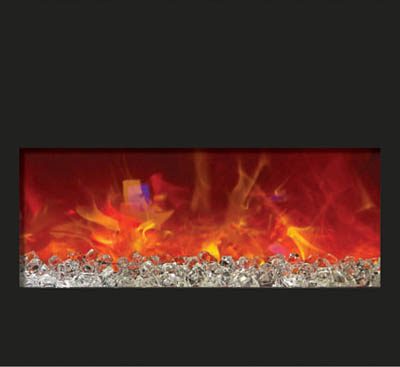
Amantii INSERT INS-FM-26 Electric Fireplace
-
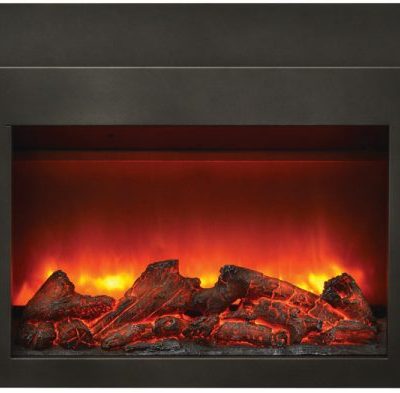
Amantii INSERT INS-FM-30 Electric Fireplace
-
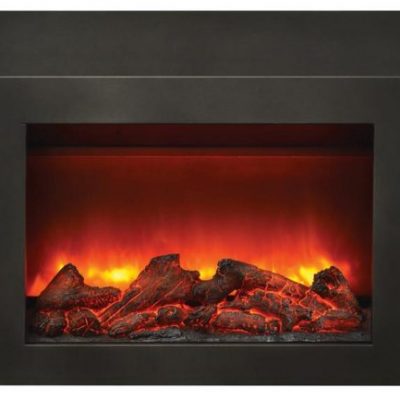
Amantii INSERT INS-FM-34 Electric Fireplace
-
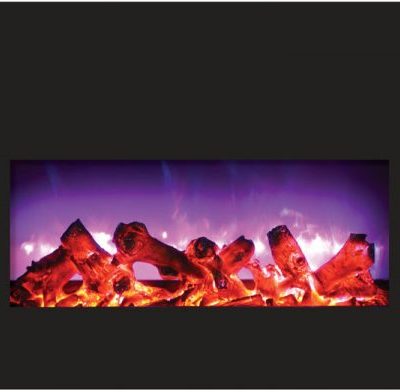
Amantii INSERT-26-3825-BG Electric Fireplace
-
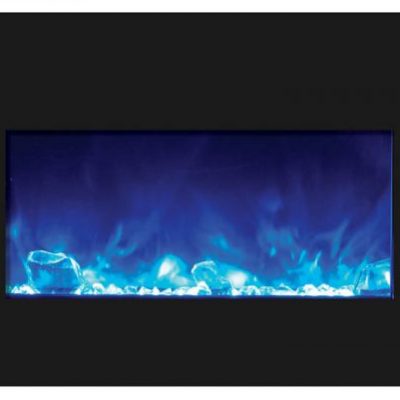
Amantii INSERT-30-4026-BG Electric Fireplace
-
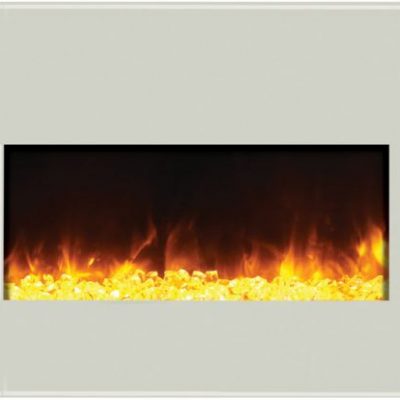
Amantii INSERT‐33‐4230-BG Electric Fireplace
-
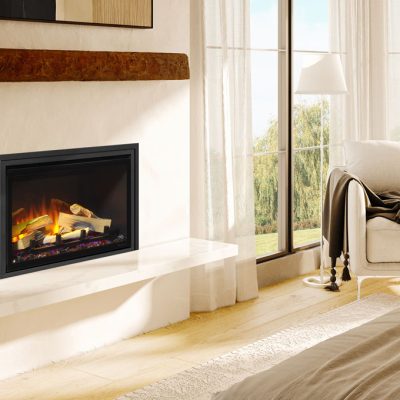
Regency Atmosphere Ei25 Electric Insert Fireplace
-
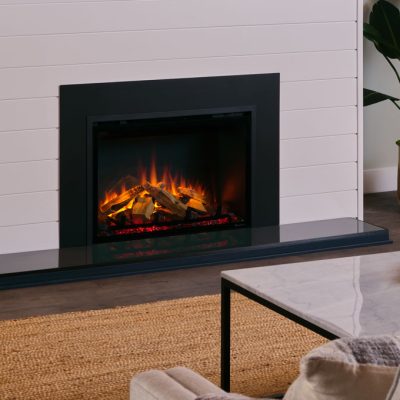
Regency Atmosphere Ei29 Electric Insert Fireplace
-
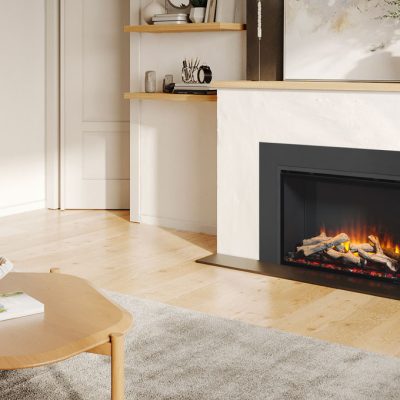
Regency Atmosphere Ei33 Electric Insert Fireplace
Fireplace Inserts for Toronto and GTA Homes
Fireplace inserts are heating appliances installed into an existing fireplace opening to improve heat output, reduce drafts, and make an older fireplace easier to use. Gas, electric, wood, and pellet inserts each offer different levels of heating performance, installation complexity, maintenance, and daily convenience for Canadian homes.
Choosing the Right Insert Type
The right insert depends on the existing fireplace opening, heating expectations, fuel access, venting conditions, and how much maintenance the homeowner wants to manage. Choosing by appearance alone can lead to weak heat output, poor fit, unnecessary installation work, or a system that does not match the room’s daily use.
Gas Insert
Best for homeowners who want real flame, strong supplemental heat, quick ignition, and easier daily operation with proper gas supply and venting.
Electric Insert
Best for simpler fireplace upgrades where visual ambiance, low maintenance, and flexible installation matter more than strong heating performance.
Wood or Pellet Insert
Best for homeowners who want solid-fuel heat from an existing fireplace, but fuel storage, cleaning, venting, and regular maintenance must be planned.
Fireplace Inserts vs Other Fireplace Options
Fireplace upgrades should be compared by heat output, fuel type, installation scope, maintenance, and how much of the existing fireplace can be reused. The best option is not always the one with the lowest product cost because venting, finishing, and compatibility can change the full project scope.
Installation Details That Affect Fit and Performance
Insert installation depends on firebox dimensions, venting path, chimney condition, fuel type, electrical access, surround size, clearances, and service access. A unit that appears to fit visually may still be unsuitable if airflow, venting, gas access, or maintenance access are not confirmed before installation.
Poor Fit Can Create Costly Rework
An insert that is too large for the fireplace opening can create clearance, venting, or service access problems. An insert that is too small may look unfinished, provide weak heat, and require extra surround work to make the fireplace wall look complete.
Performance Features to Compare Before Buying
Fireplace inserts should be evaluated by how the room is used, not just by product size or flame style. In Toronto and the GTA, room insulation, ceiling height, basement conditions, chimney condition, and winter heating expectations all affect the right choice.
- Measure fireplace width, height, depth, hearth area, and surround space before selecting a model
- Match heat output to room size, layout, insulation, and expected daily use
- Compare gas, electric, wood, and pellet options based on fuel access and maintenance tolerance
- Confirm venting or chimney requirements before finalizing the insert type
- Review blower performance if warm air distribution across the room matters
- Check controls, ignition, thermostat, remote, flame adjustment, and safety features
- Plan finishing materials, mantel clearance, television height, and surround design before installation
Gas, Electric, Wood, and Pellet Insert Trade-Offs
Each insert type creates a different ownership experience. Gas offers convenience and real flame, electric offers simpler installation and visual flexibility, wood offers traditional solid-fuel heat, and pellet inserts provide controlled solid-fuel heating with automated fuel feeding.
Replacement and Fireplace Conversion Considerations
Replacing an older fireplace setup with an insert should begin with a careful review of the existing firebox, chimney, venting, gas or electrical access, hearth depth, mantel clearance, and surrounding finishes. A simple product swap may not deliver better comfort if the opening, fuel supply, or venting path cannot support the selected insert.
Fireplace Insert Selection Checklist
- Confirm whether the existing fireplace opening is suitable for an insert
- Measure the firebox, hearth, surround, and available service space
- Choose gas, electric, wood, or pellet based on heating goal and maintenance expectations
- Review chimney, venting, gas, and electrical requirements before choosing a model
- Compare heat output, blower performance, flame appearance, controls, and safety features
- Plan surround panels, mantel clearance, finishing materials, and future maintenance access
Local Suitability for Toronto and GTA Homes
Fireplace inserts are well suited for Toronto and GTA homes with older masonry or prefabricated fireplaces that look appealing but do not provide enough usable heat. They are especially practical for living rooms, family rooms, finished basements, older homes, and renovation projects where homeowners want better comfort without rebuilding the entire fireplace wall.
Fireplace insert cost depends on insert type, fuel source, firebox fit, venting requirements, gas or electrical work, chimney condition, surround panels, controls, finishing materials, and installation complexity. A lower-cost insert may not be the best value if it produces weak heat, fits poorly, lacks the right control features, or requires unexpected modification during installation.
Making the Right Fireplace Insert Decision
The strongest choice is the insert that fits the existing fireplace safely, delivers the right heat output, supports the preferred fuel type, and matches how the room will be used. Proper planning helps prevent poor fit, weak heat distribution, clearance conflicts, venting issues, and avoidable installation changes.
FREE In-Home Estimate