


See Thru Fireplaces
Showing all 6 results
-
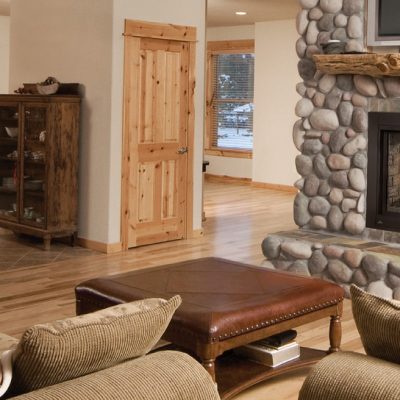
Napoleon Ascent Multi-View Direct Vent Gas Fireplace
-
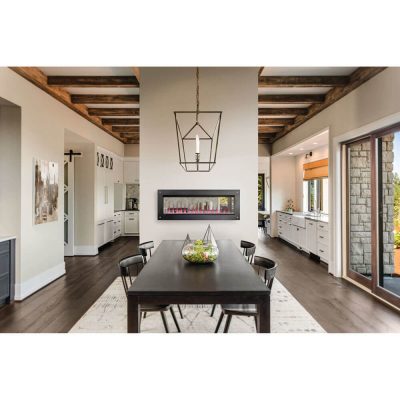
Napoleon CLEARion Elite Series Electric Fireplace
-
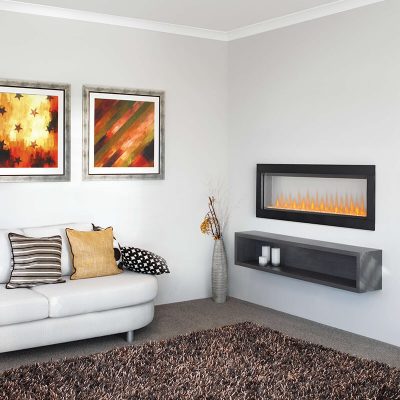
Napoleon CLEARION™ ELITE 60 Electric Fireplace
-
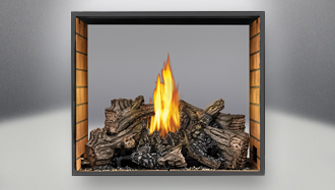
Napoleon High Definition 81 Direct Vent Gas Fireplace
-
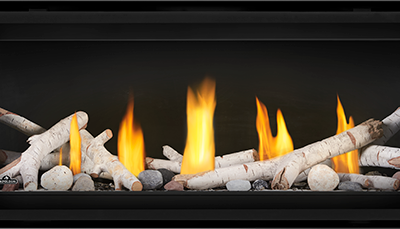
Napoleon Luxuria™ Series Direct Vent Gas Fireplace
-
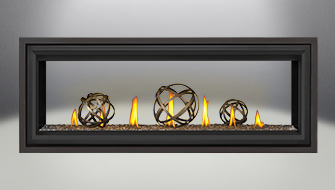
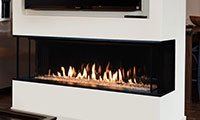
Napoleon Vector See Thru Series Fireplace
See Thru Fireplaces for Toronto and GTA Homes
See thru fireplaces are two-sided fireplace systems designed to show the flame from both sides of a wall, divider, or shared architectural opening. They are commonly used between living and dining rooms, kitchens and family rooms, bedrooms and sitting areas, or indoor-outdoor transitions where homeowners want one fireplace to visually connect two spaces while supporting heat, ambiance, and room design.
Choosing the Right See Thru Fireplace Setup
The right setup depends on room layout, fuel type, heat expectations, venting path, wall structure, viewing height, and whether the fireplace is meant to divide two spaces or connect them visually. A see thru fireplace chosen only for appearance can create uneven heat, awkward sightlines, or construction changes if framing and venting are not reviewed early.
Indoor See Thru Fireplace
Best for connecting two interior rooms with one shared flame view, but heat direction, wall depth, and furniture layout must be planned on both sides.
Indoor-Outdoor See Thru Fireplace
Useful when connecting an interior room to a patio or covered outdoor area, but weather exposure, clearances, exterior finishing, and comfort expectations must be reviewed carefully.
Linear See Thru Fireplace
Best for modern feature walls and open-concept spaces where a wide flame view creates stronger visual flow between two areas.
See Thru Fireplace vs Other Fireplace Options
See thru fireplaces are often compared with single-sided, corner, multi-sided, electric, and gas fireplace systems. Comparing the options before purchase helps prevent choosing a fireplace that looks impressive but does not match the room layout, heating needs, or construction scope.
Installation Details That Affect Both Sides
See thru fireplace installation must account for framing depth, venting route, gas or electrical access, clearances, finishing materials, service access, and room layout on both sides of the wall. A design that works from one room may still fail if the opposite side has furniture conflicts, poor sightlines, or limited heat control.
One-Sided Planning Can Create Two-Sided Problems
If the fireplace is planned only from the main room, the opposite side may end up with awkward viewing height, poor furniture placement, weak heat usefulness, or unfinished wall proportions. Both spaces must be measured and designed together before installation begins.
Performance Features to Compare Before Buying
A see thru fireplace should be evaluated by more than glass size or flame style. Heat output, venting, fuel type, flame visibility, control options, and wall placement all affect whether the fireplace performs well in Toronto and GTA homes.
- Match heat output to both connected spaces, not only the larger room
- Confirm whether gas, electric, or another fireplace type best fits the project
- Review venting, framing, gas line, electrical, and service access before choosing a model
- Plan furniture layout, traffic flow, and viewing angles on both sides
- Check clearance requirements for mantels, cabinetry, tile, stone, trim, and nearby finishes
- Compare linear, traditional, indoor-outdoor, and multi-sided configurations before framing begins
- Review controls, blower options, flame adjustment, lighting, and safety features
Gas, Electric, and Indoor-Outdoor Trade-Offs
Fuel type and placement change the installation scope, heat performance, and long-term use of a see thru fireplace. The best choice depends on whether the homeowner wants real flame, easier installation, outdoor visibility, or stronger supplemental heat.
Replacement and Renovation Considerations
Adding or replacing a see thru fireplace during a renovation should begin with the wall structure, venting route, fuel access, ceiling height, room connection, and finish plan. A simple product selection can become a larger construction project if the wall opening, exterior termination, or two-sided finishing requirements are not confirmed early.
See Thru Fireplace Selection Checklist
- Confirm whether the fireplace will connect two indoor rooms or an indoor and outdoor space
- Measure wall width, wall depth, ceiling height, and viewing height from both sides
- Choose gas, electric, or another system based on heat goals and installation requirements
- Review venting, gas line, electrical access, clearances, and service access before framing
- Plan finishes, mantels, cabinetry, tile, stone, and media placement on both sides together
- Consider a single-sided fireplace if only one room needs a primary focal point
Local Suitability for Toronto and GTA Homes
See thru fireplaces are well suited for Toronto and GTA homes with open-concept layouts, renovated main floors, finished basements, luxury living areas, room dividers, and indoor-outdoor entertainment spaces. They are especially useful where homeowners want one fireplace to add ambiance and visual connection to two spaces instead of building separate fireplace features.
See thru fireplace cost depends on fuel type, fireplace size, glass configuration, venting route, framing, gas or electrical work, finish materials, indoor-outdoor requirements, controls, and installation complexity. A lower-cost option may not be the best value if it creates poor heat distribution, weak sightlines, difficult service access, or expensive finish changes after framing begins.
Making the Right See Thru Fireplace Decision
The strongest choice is the see thru fireplace that fits both spaces safely, provides the right flame visibility, supports the desired heat performance, and works with the full architectural plan. Proper planning helps prevent uneven comfort, awkward room proportions, clearance conflicts, venting issues, and avoidable construction changes.
FREE In-Home Estimate