

Stoves
Showing all 5 results
-
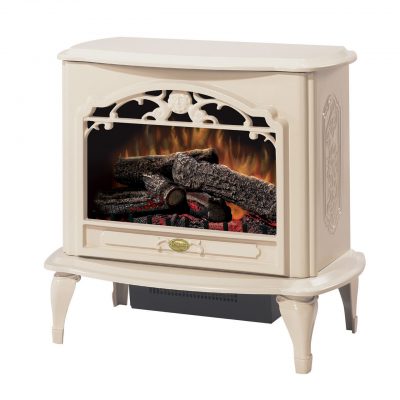
Dimplex Celeste Electric Stove Fireplace
-

Dimplex Electric Stove Fireplace
-
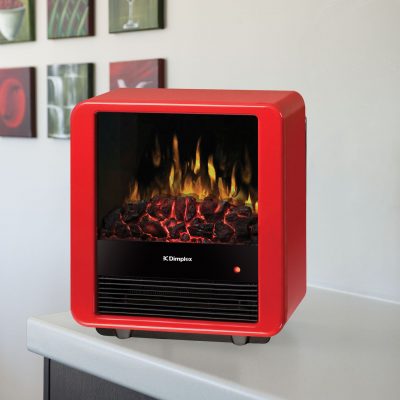
Dimplex Mini Cube Electric Stove Fireplace Fireplace
-
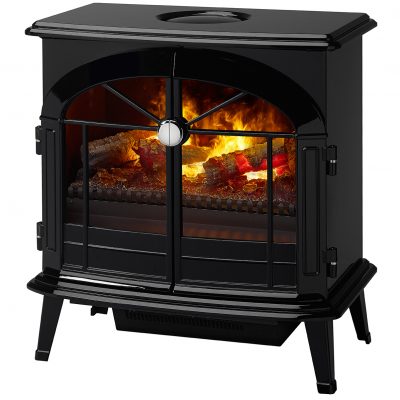
Dimplex Stockbridge Opti-myst Electric Fireplace
-
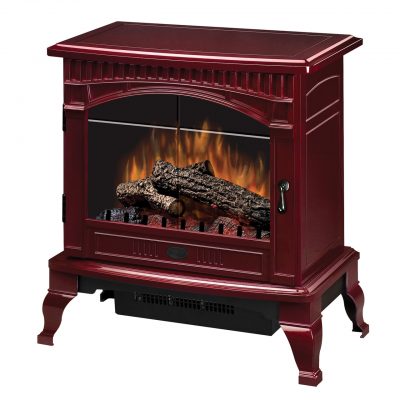
Dimplex Traditional Electric Stove Fireplace
Stoves for Toronto and GTA Homes
Stoves are freestanding heating appliances used to provide focused room comfort, visible flame, and supplemental heat without building a full fireplace wall. Gas, wood, pellet, and electric stove options each create a different balance of heat output, installation requirements, fuel handling, maintenance, and design style for Canadian homes.
Choosing the Right Stove Type
The right stove depends on room size, fuel access, venting options, daily use, and how much maintenance the homeowner is comfortable managing. A stove chosen only by appearance can overheat a smaller room, underperform in a colder space, or require installation work that was not expected at the start.
Gas Stove
Best for homeowners who want real flame, steady supplemental heat, quick ignition, and convenient controls with proper gas supply and venting.
Wood Stove
Best for strong radiant heat and traditional solid-fuel comfort, but firewood storage, chimney maintenance, ash cleanup, and manual operation must be planned.
Pellet or Electric Stove
Useful when homeowners want either controlled pellet heating or simple electric ambiance, but each option has different limits for heat output, fuel use, and maintenance.
Stoves vs Other Fireplace Heating Options
Stoves are often compared with fireplaces, inserts, and electric heaters because each option changes the room differently. Comparing them early helps prevent choosing a system that looks attractive but does not match the home’s heating needs, layout, or installation conditions.
Installation Details That Affect Safety and Comfort
Stove installation depends on fuel type, venting route, floor protection, wall clearances, combustion air, gas or electrical access, chimney condition, and service space. In Toronto and GTA homes, basements, older houses, additions, and tighter room layouts often require careful planning before the stove model is selected.
Wrong Placement Can Create Uneven Heating
A stove placed in a closed-off or poorly positioned area can make one part of the room too warm while leaving nearby spaces cold. Poor placement can also create clearance conflicts, difficult maintenance access, and awkward furniture layout.
Performance Features to Compare Before Buying
A stove should be selected by actual room conditions, not only by maximum heat rating or appearance. Heat output, venting, fuel type, blower performance, control options, and daily maintenance all affect whether the stove works well through a Canadian heating season.
- Match heat output to room size, ceiling height, insulation, and layout
- Confirm whether gas, wood, pellet, or electric operation best fits the home
- Review venting, chimney, gas line, electrical, and combustion air requirements before choosing placement
- Check clearance requirements around walls, flooring, furniture, trim, and nearby finishes
- Compare blower options when heat distribution across the room is important
- Review ignition, thermostat, remote control, flame control, or programmable settings where available
- Plan fuel storage, ash removal, cleaning, and future service access before installation
Gas, Wood, Pellet, and Electric Stove Trade-Offs
Each stove type creates a different ownership experience. The best choice depends on whether the homeowner values convenience, fuel independence, heat strength, lower maintenance, or simple installation most.
Replacement and Upgrade Considerations
Replacing an older stove, fireplace, or room heater should begin with a review of venting, floor protection, wall clearances, fuel supply, electrical access, and expected heating load. A new stove may not improve comfort if it is oversized, undersized, poorly placed, or difficult to maintain.
Stove Selection Checklist
- Confirm whether gas, wood, pellet, or electric is the best fuel type for the home
- Measure the room and select heat output based on actual comfort needs
- Review venting, chimney, gas, electrical, floor protection, and clearance requirements early
- Compare blower strength, control features, flame appearance, and daily maintenance needs
- Plan fuel storage, cleaning access, service access, and furniture layout before installation
- Consider a fireplace insert or built-in fireplace if an existing opening or feature wall is the better fit
Local Suitability for Toronto and GTA Homes
Stoves can be practical for Toronto and GTA homes that need dependable supplemental heat in colder rooms, finished basements, additions, family spaces, workshops, cottages, or older homes. They are especially useful when homeowners want focused comfort without rebuilding the full fireplace wall.
Stove cost depends on fuel type, model size, heat output, venting requirements, floor protection, chimney or gas work, electrical access, installation complexity, and long-term fuel use. A lower-cost stove may not be the best value if it produces weak heat, requires unexpected venting work, creates clearance issues, or does not match the room’s actual heating needs.
Making the Right Stove Decision
The strongest choice is the stove that fits the room safely, uses the right fuel type, delivers suitable heat, and supports realistic maintenance habits. Proper planning helps prevent overheating, weak heat distribution, clearance conflicts, fuel-handling frustration, and avoidable installation changes.
FREE In-Home Estimate