


Zero Clearance Series
Showing 10–12 of 12 results
-
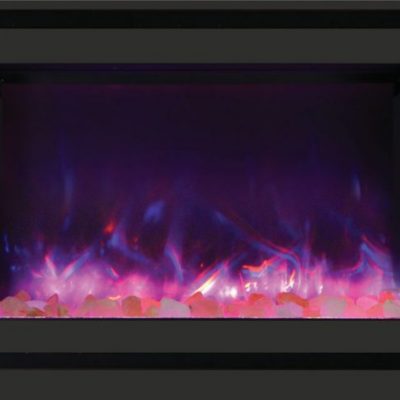
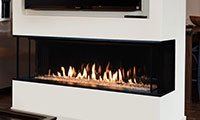
Amantii ZECL-31-3228-STL-SQR Electric Fireplace
-
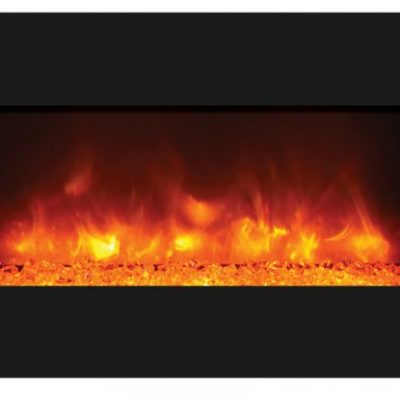
Amantii ZECL-33-3624-BG Electric Fireplace
-
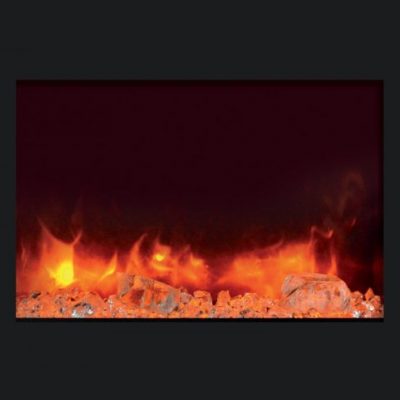
Amantii ZECL-39-4134-BG Electric Fireplace
Zero Clearance Series Fireplaces for Toronto and GTA Homes
Zero Clearance Series fireplaces are factory-built fireplace systems designed for installation close to approved combustible framing and finishing materials when installed to the manufacturer’s requirements. They are commonly used in new builds, renovations, feature walls, finished basements, family rooms, and fireplace replacements where homeowners want a built-in fireplace look without constructing a full masonry fireplace.
Choosing the Right Zero Clearance Series Fireplace
The right Zero Clearance Series fireplace depends on fuel type, room size, heat expectations, framing depth, venting route, finish materials, and whether the fireplace is being installed in a new wall or replacing an older fireplace area. Choosing only by appearance can create clearance conflicts, weak heat performance, or expensive framing changes during installation.
Gas Zero Clearance Fireplace
Best for homeowners who want real flame, stronger supplemental heat, and a permanent built-in fireplace, but gas supply, venting, clearances, and service access must be planned early.
Electric Zero Clearance Fireplace
Useful for condos, media walls, and lower-construction upgrades where flame ambiance and simple installation matter more than high heat output.
Wood Zero Clearance Fireplace
Best for homeowners who want a traditional wood-burning experience, but chimney requirements, combustion air, maintenance, and local installation conditions must be reviewed carefully.
Zero Clearance Fireplace vs Other Fireplace Options
Zero Clearance Series fireplaces are often compared with masonry fireplaces, inserts, wall-mounted electric fireplaces, and freestanding stoves. Comparing these options before purchase helps prevent choosing a fireplace that does not match the construction scope, heating goal, or finished room design.
Installation Details That Affect Safety and Design
Zero Clearance Series installation must account for framing specifications, venting route, chimney or termination location, gas or electrical access, clearances, hearth planning, mantel placement, wall finishes, and future service access. These details should be confirmed before framing or finishing work begins.
Incorrect Planning Can Create Clearance and Finish Problems
If the fireplace is selected after framing or finishing decisions are made, the wall may not provide the right depth, venting route, mantel clearance, or service access. This can lead to redesign work, delayed installation, or finish materials that cannot be used safely around the unit.
Performance Features to Compare Before Buying
A Zero Clearance Series fireplace should be evaluated by how it will perform in the room, not only by flame style or size. Fuel type, heat output, efficiency, venting, viewing area, controls, and installation requirements all affect long-term comfort and usability.
- Match fireplace size and heat output to the room dimensions, ceiling height, and insulation level
- Choose gas, electric, or wood based on heat expectations, installation scope, and maintenance preference
- Confirm framing depth, chase construction, venting route, and termination location before final selection
- Review clearances for mantels, shelving, cabinetry, trim, stone, tile, and other finish materials
- Check whether the fireplace will support a blower, thermostat, remote control, or smart control option
- Plan hearth, wall finish, media placement, and furniture layout before installation begins
- Consider future service access so maintenance and repairs do not require unnecessary finish removal
Gas, Electric, and Wood Zero Clearance Trade-Offs
Each Zero Clearance Series option has different installation and performance requirements. Comparing gas, electric, and wood configurations helps homeowners choose a fireplace that fits the room, the construction plan, and the level of heat they expect.
Replacement and Renovation Considerations
Replacing an older fireplace or adding a Zero Clearance Series fireplace during a renovation should start with site measurements, fuel access, venting path, framing feasibility, finish plans, and room use. A fireplace that fits the style of the room may still be the wrong choice if the wall depth, termination location, or clearances do not work.
Zero Clearance Series Selection Checklist
- Measure wall width, available depth, ceiling height, room size, and furniture layout
- Confirm whether gas, electric, wood, or linear configuration best fits the project
- Review venting, chimney, gas line, electrical, and termination requirements before framing
- Check clearances for mantels, shelving, cabinetry, trim, TV placement, and finish materials
- Plan hearth, wall finish, service access, and future maintenance before installation begins
- Consider an insert if the project is mainly upgrading an existing fireplace opening
Local Suitability for Toronto and GTA Homes
Zero Clearance Series fireplaces are well suited for Toronto and GTA homes where homeowners want a built-in fireplace during a renovation, custom home build, basement finishing project, or main-floor redesign. They are especially practical when a full masonry fireplace is not suitable but the room still needs a permanent fireplace feature with a clean finished look.
Zero Clearance Series fireplace cost depends on fuel type, model size, venting or chimney requirements, framing work, gas or electrical access, finish materials, controls, blower options, hearth details, and installation complexity. A lower-cost fireplace may not be the best value if it creates venting limitations, weak heat output, finish conflicts, or added construction changes after the project starts.
Making the Right Zero Clearance Series Decision
The strongest choice is the Zero Clearance Series fireplace that fits the wall structure, supports the right fuel type, meets clearance and venting requirements, and delivers the desired balance of flame appearance and supplemental heat. Proper planning helps prevent installation delays, unsafe finish choices, poor room proportions, weak performance, and avoidable renovation changes.
FREE In-Home Estimate