
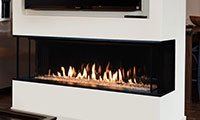



Gas Inserts
Showing 1–9 of 33 results
-
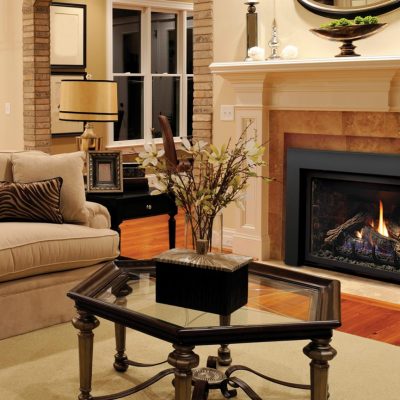
Kingsman IDV26 Direct Vent Gas Fireplace Inserts
-
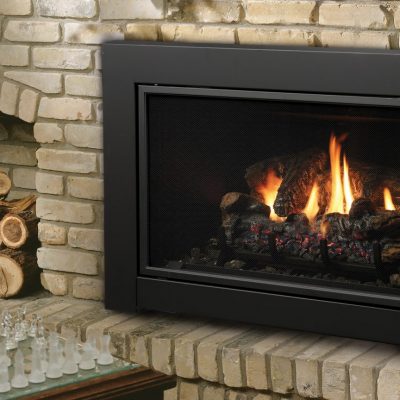
Kingsman IDV33/IDV43 Direct Vent Gas Fireplace Inserts
-
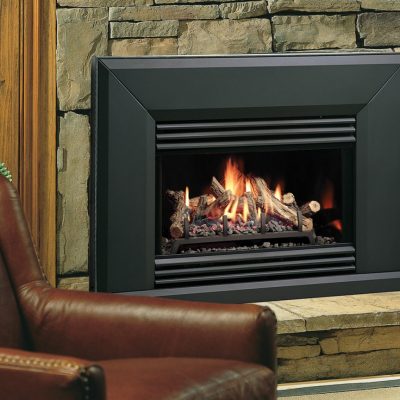
Kingsman VFI25 Vented Gas Fireplace Inserts
-
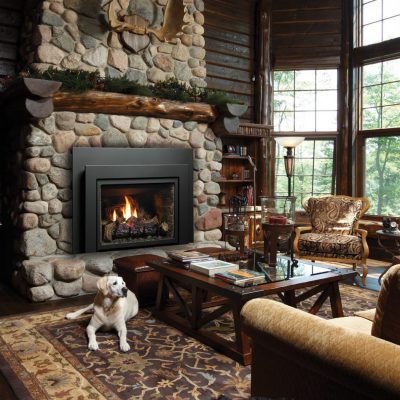
Marquis Capella (SERIES 26) Direct Vent Gas Fireplace Insert
-
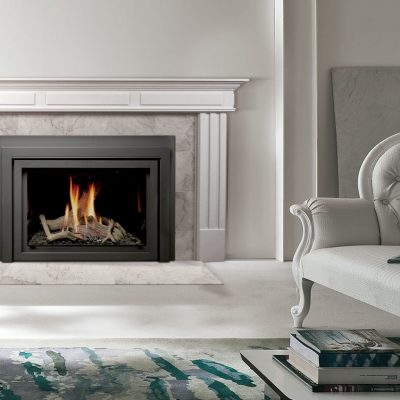
Marquis Capella (SERIES 33/43) Direct Vent Gas Fireplace Insert
-
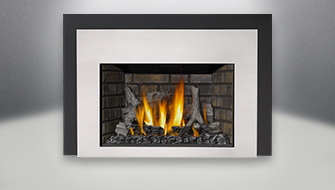
Napoleon Infrared™ 3 Gas Fireplace Insert
-
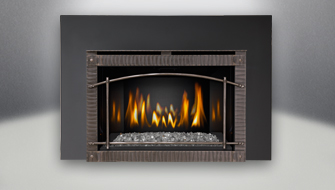
Napoleon Infrared™ 3G Gas Fireplace Insert
-
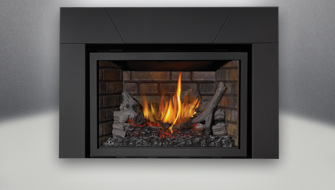
Napoleon Infrared™ X3 Gas Fireplace Insert
-
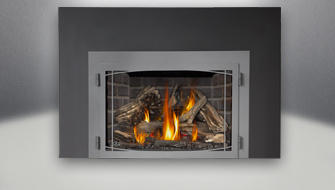
Napoleon Infrared™ X4 Gas Fireplace Insert
Gas Inserts for Toronto and GTA Homes
Gas inserts are sealed heating units installed inside an existing fireplace opening to improve heat output, reduce drafts, and modernize an older masonry or wood-burning fireplace. For homes in Toronto and the GTA, they are often chosen when homeowners want reliable supplemental heat, cleaner operation, and better efficiency without rebuilding the entire fireplace structure.
When Gas Inserts Are the Right Upgrade
Gas inserts make the most sense when the existing fireplace has usable structure but poor heating performance. The main decision is whether the home needs a practical fireplace replacement, a stronger heat source, or a cleaner alternative to an older wood-burning setup.
Existing Fireplace Use
A gas insert is ideal when the home already has a fireplace opening and chimney structure, reducing the need for a full fireplace rebuild.
Heat Performance
A properly sized insert can deliver more usable room heat than an open masonry fireplace, which often loses warm air through the chimney.
Lower Maintenance
Gas operation removes the need for wood storage, ash cleanup, and frequent fire-starting, making daily use easier during colder months.
Gas Inserts vs Fireplace Alternatives
Choosing between a gas insert, electric insert, or zero-clearance fireplace depends on the condition of the existing fireplace, heating expectations, installation scope, and budget. The wrong choice can lead to weak heat output, unnecessary construction, or a fireplace that does not match how the room is actually used.
Installation Details That Affect Results
Gas insert installation is not only about fitting a unit into the fireplace opening. The fireplace cavity, chimney condition, gas line, venting path, clearances, and heat output must all be reviewed before selecting the right model.
Poor Fit Creates Poor Performance
If the insert is too small, the finished fireplace can look undersized and fail to heat the room properly. If it is too large, installation may require unnecessary modification or create clearance issues that delay the project.
Performance Factors Homeowners Should Compare
Not all gas fireplace inserts perform the same way. Homeowners should compare heat output, flame appearance, fan operation, efficiency, control options, and surround design before making a final decision.
- BTU output should match the room size and heating goal
- Direct venting improves safety and heating consistency
- Variable flame control improves comfort and fuel use
- Blower fans help distribute warm air more effectively
- Surround size affects the finished look of the fireplace wall
- Remote or thermostat control improves daily convenience
Gas Insert Replacement Considerations
Replacing an older fireplace with a gas insert can improve comfort, but the existing fireplace must be suitable for conversion. A proper assessment helps determine whether the project is a straightforward insert installation or whether chimney work, gas line updates, or finishing adjustments are needed.
Gas Insert Selection Checklist
- Measure the existing fireplace opening before choosing a model
- Confirm chimney and venting compatibility
- Review natural gas or propane requirements
- Choose heat output based on room size, not appearance alone
- Compare surround styles, glass size, flame controls, and blower options
- Plan installation around code, clearance, and finishing requirements
Local Suitability for Toronto and GTA Homes
Gas inserts are well suited for many Toronto and GTA homes because they improve the performance of older fireplaces without requiring a full structural redesign. They are especially useful in detached homes, older masonry fireplaces, renovated living rooms, and family spaces where supplemental heat is needed during cold Canadian weather.
For homeowners comparing gas insert installation cost, the final price depends on fireplace condition, venting requirements, gas line access, insert size, finishing materials, and installation complexity. A lower-cost unit may not be the best value if it lacks the heat output, controls, or design needed for the room.
Choosing the Right Gas Insert
The best gas insert is the one that fits the existing fireplace safely, heats the room properly, and matches the homeowner’s comfort expectations. A professional assessment helps prevent sizing mistakes, weak heat performance, poor visual fit, and avoidable installation delays.
FREE In-Home Estimate