


Inserts
Showing all 2 results
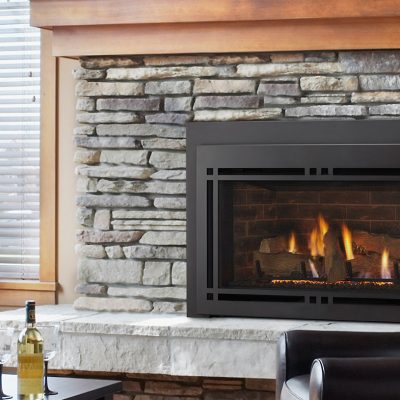
Fireplace Inserts for Toronto and GTA Homes
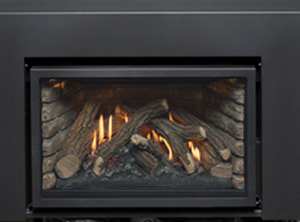
Fireplace inserts are built-in fireplace units designed to fit into an existing fireplace opening or prepared enclosure, helping improve heat control, visual appeal, and day-to-day usability without rebuilding the entire fireplace area. They are commonly chosen when an older fireplace no longer performs well, looks outdated, or needs a cleaner upgrade for a living room, basement, condo, or family space.
When Inserts Are the Right Fireplace Upgrade
An insert is usually the right category to consider when the home already has a usable fireplace space or when the project needs a cleaner built-in look without a full custom fireplace rebuild. The main decision is whether the existing opening, wall depth, venting path, and finishing conditions can support the insert properly.
Existing Fireplace Openings
Inserts can improve an older fireplace while preserving much of the existing layout. If the opening is damaged, too shallow, or poorly sized, forcing an insert into the space can create installation delays and finishing problems.
Better Room Comfort
A properly selected insert can provide more controlled warmth than an older open fireplace. The wrong heat output may leave a large room underheated or make a smaller room uncomfortable during regular use.
Cleaner Renovation Scope
Inserts can reduce the need for major wall reconstruction when the existing structure is suitable. Skipping a site review can turn a simple upgrade into a larger renovation with unexpected costs.
Insert Types and Selection Differences
Not every insert works the same way, and the best choice depends on the existing fireplace, expected heat performance, installation conditions, and desired look. Comparing insert categories early helps avoid selecting a unit that fits visually but fails structurally or operationally.
Installation Conditions That Decide What Will Work
Insert installation should start with the space, not the product photo. The existing opening size, depth, wall structure, service access, nearby materials, and finish design all affect which insert can be installed safely and cleanly.
In Toronto and the GTA, the insert also needs to match how the room is used during colder months. A basement, main family room, or open-concept area may need stronger performance than a bedroom, condo feature wall, or decorative renovation.
The Fit Problem That Delays Installation
If an insert is selected before the opening is measured and assessed, the unit may not sit properly, may conflict with clearances, or may require unexpected surround changes. This can delay installation and increase the project cost after the model has already been chosen.
Replacement vs Full Fireplace Rebuild
An insert is often the practical option when the existing fireplace area is still usable and the goal is better performance, cleaner design, or easier operation. A full rebuild may be more appropriate when the opening, wall, venting path, surround, or internal structure cannot support a safe and attractive insert installation.
The decision should compare the cost of adapting the existing fireplace against the long-term result. A lower-disruption insert can be the smarter choice when the structure is suitable, but rebuilding may deliver a better outcome when the current fireplace is too outdated, damaged, or poorly positioned.
Cost Factors to Review Before Buying
Insert cost is affected by more than the unit itself. Final pricing can change depending on size, heat capacity, installation complexity, finishing work, controls, access requirements, surround updates, and whether the existing fireplace needs repair before the insert can be installed.
A simple-looking upgrade can become more expensive when the opening needs modification, the surround needs rebuilding, or the wall finish must be redesigned. A proper assessment helps separate the cost of the insert from the cost of the full finished project.
Performance and Sizing Considerations
The right insert should match the room size, ceiling height, insulation level, and intended use. A unit chosen mainly for appearance may not provide enough comfort, while an oversized model can make the room too warm and reduce how often the fireplace is actually used.
Performance also depends on airflow, placement, controls, and how the insert interacts with the surrounding wall or mantel. A well-sized insert should feel natural in the room, support the design, and provide the level of comfort expected from the upgrade.
How to Choose the Right Insert
The safest selection process starts with the existing fireplace conditions and then moves into style, size, and performance. Use this checklist before choosing a final insert model or planning the surrounding finish.
Fireplace Insert Selection Checklist
- Measure the existing opening, including width, height, depth, and surrounding finish area.
- Confirm whether the insert is mainly for heat, appearance, or both.
- Review wall depth, clearances, access requirements, and surrounding materials before selection.
- Choose the size around room scale, not only the opening width.
- Plan the mantel, hearth, trim, stone, tile, or surrounding finish before installation begins.
- Confirm whether replacement or a larger rebuild will create the better long-term result.
Local Suitability for Canada, Toronto, and the GTA
Inserts are well suited to GTA homes where older fireplaces are common and homeowners want a cleaner, more functional upgrade. They can work well in detached homes, townhomes, basements, condos, and renovated family spaces when the insert is matched to the room and existing fireplace conditions.
The wrong insert can lead to poor fit, weak comfort, awkward finishing, limited service access, or unnecessary renovation work. The best result comes from confirming the installation conditions first, then choosing an insert that suits the home’s layout, comfort needs, and design goals.
Plan Your Fireplace Insert Installation
A fireplace insert can make an existing fireplace more useful, attractive, and comfortable when the product and installation plan are aligned from the start. Before buying, review the opening size, wall depth, heat expectations, clearances, finishing materials, replacement options, and installation requirements with a qualified fireplace professional.
FREE In-Home Estimate