

Pellet Inserts
Showing all 2 results
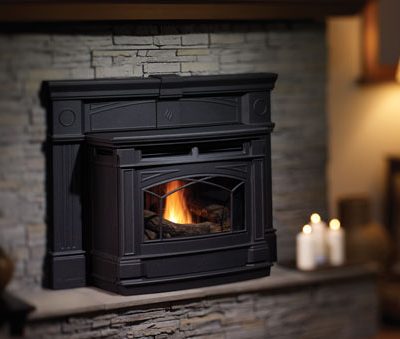
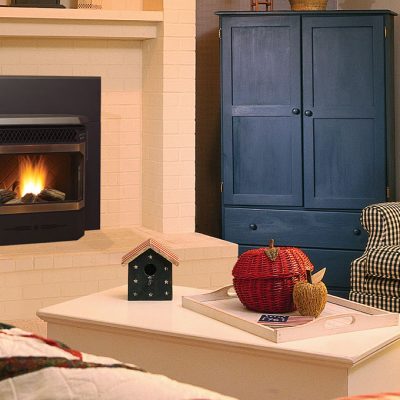
Pellet Inserts for Toronto and GTA Homes
Pellet inserts are fireplace heating appliances designed to fit inside an existing fireplace opening and burn compressed wood pellets for controlled supplemental heat. They are commonly used to upgrade older masonry fireplaces that lose heat, create drafts, or require more manual fire management than homeowners want during Canadian winters.
When a Pellet Insert Makes Sense
A pellet insert is most useful when the existing fireplace structure is suitable for conversion and the homeowner wants stronger heating performance than a decorative fireplace. The main decision is whether the project needs efficient room heat, easier fuel handling than firewood, or a practical alternative to gas fireplace conversion.
Existing Fireplace Conversion
Best for homes with a usable fireplace opening where the goal is to turn an inefficient hearth into a more controlled heating source.
Automated Pellet Feeding
A pellet insert feeds fuel automatically from a hopper, reducing the constant fire management required by traditional wood-burning fireplaces.
Stronger Room Heating
Useful for family rooms, basements, and colder zones where a standard open fireplace does not deliver enough usable heat.
Pellet Inserts vs Other Fireplace Upgrade Options
Fireplace upgrades should be compared by heat output, fuel handling, installation requirements, maintenance, and long-term convenience. Choosing the wrong option can leave the homeowner with weak heat, unnecessary fuel work, or a system that does not match the existing fireplace structure.
Installation Details That Affect Fit and Performance
Pellet insert installation depends on fireplace dimensions, venting path, chimney condition, electrical access, surround fit, clearances, and service access. A model that appears to fit the opening may still perform poorly if airflow, venting, pellet loading, or maintenance access are not reviewed before installation.
Poor Fireplace Fit Can Limit Daily Use
A pellet insert that is too large for the firebox can create clearance and service problems, while a unit that is too small may look unfinished and fail to heat the room properly. Correct measurement before selection helps avoid installation delays and poor performance.
Performance Features to Compare Before Buying
Pellet insert performance should be evaluated by real heating needs, not only advertised coverage. In Toronto and GTA homes, room size, insulation, basement conditions, ceiling height, and fireplace location all affect how well the insert distributes heat during colder months.
- Match heat output to the room size, layout, and insulation level
- Compare hopper capacity based on how often the insert will be used
- Review blower strength because it affects warm air distribution from the fireplace opening
- Confirm electrical access for ignition, controls, auger operation, and fans
- Check ash pan access and cleaning requirements before choosing a model
- Compare thermostat, programmable control, and automatic ignition features
- Plan dry pellet storage so fuel remains usable throughout the heating season
Pellet Insert vs Freestanding Pellet Stove
Homeowners often compare pellet inserts with freestanding pellet stoves when choosing a solid-fuel heating appliance. The better choice depends on whether the home already has a suitable fireplace opening or needs flexible placement in a different area of the room.
Replacement and Fireplace Conversion Considerations
Replacing an open fireplace or older insert with a pellet insert should begin with a detailed review of the existing firebox, chimney, vent liner, hearth depth, electrical access, and surrounding finishes. A simple visual match is not enough because installation, heat transfer, and service access all affect long-term usability.
Pellet Insert Selection Checklist
- Measure fireplace width, height, depth, hearth area, and surround space
- Confirm chimney, liner, and venting requirements before choosing a model
- Select heat output based on the room’s actual heating needs
- Compare hopper capacity, blower performance, ash access, and control features
- Confirm electrical access for ignition, fans, controls, and auger operation
- Consider gas or wood alternatives if fuel handling, maintenance, or power dependence is a concern
Local Suitability for Toronto and GTA Homes
Pellet inserts can be a practical upgrade for Toronto and GTA homes with older fireplaces that look appealing but do not provide enough usable heat. They are especially relevant for family rooms, finished basements, cottages, and colder living areas where homeowners want efficient supplemental heating from an existing fireplace opening.
Pellet insert cost depends on model size, hopper capacity, fireplace fit, venting requirements, electrical access, surround panels, installation complexity, and long-term pellet fuel use. A lower-cost insert may not be the best value if it needs frequent refilling, produces weak airflow, is difficult to clean, or does not fit the existing fireplace properly.
Making the Right Pellet Insert Decision
The strongest choice is the pellet insert that fits the fireplace safely, heats the room effectively, vents correctly, and supports realistic maintenance habits. Careful selection helps prevent poor fit, weak heat distribution, frequent refilling, difficult cleaning, and avoidable installation changes.
FREE In-Home Estimate