




Cast Iron
Showing the single result
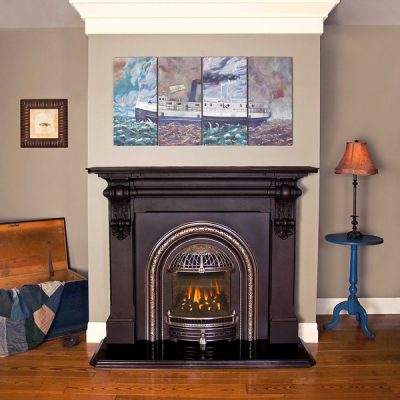
Cast Iron Fireplace Mantels for Toronto and GTA Homes
Cast iron fireplace mantels are decorative fireplace surrounds made from metal, often used to create a traditional, Victorian, heritage, or period-style fireplace feature. They are chosen for durability, visual weight, ornate detail, and heat-resistant performance, but they must be matched carefully with the fireplace type, wall structure, clearance needs, and room design.
When a Cast Iron Fireplace Mantel Makes Sense
Cast iron mantels are best suited for homeowners who want a strong architectural fireplace feature rather than a simple shelf or light decorative surround. The right choice depends on whether the project is a restoration, replacement, new fireplace installation, or design upgrade around an existing firebox.
Heritage Character
Cast iron works well in older Toronto homes where a wood or simple stone mantel may not match the room’s original architectural style.
Heat Resistance
Metal can handle fireplace environments better than many decorative materials, but proper clearances still matter for safe installation.
Design Weight
A cast iron mantel creates a strong focal point, so it should be sized carefully to avoid overpowering smaller rooms or narrow walls.
Cast Iron Mantels vs Other Fireplace Mantel Options
Most homeowners compare cast iron with wood, cast stone, marble, and modern metal surrounds. The right material depends on the fireplace type, design style, budget, maintenance expectations, and how close the mantel will sit to the heat source.
Installation Factors Before Choosing a Cast Iron Mantel
Cast iron fireplace mantel installation should be planned around the firebox, wall structure, hearth, surround opening, and finishing materials. A mantel that looks correct in a showroom may not fit properly if the fireplace opening, wall depth, or room proportions are not measured first.
The Wrong Size Can Create Expensive Rework
If the mantel opening does not match the fireplace insert or firebox, the project may require extra framing, filler panels, hearth changes, or finish repairs before the fireplace looks complete.
Replacement and Restoration Considerations
Replacing an older mantel with a cast iron model can improve the fireplace’s character, but the existing wall, hearth, and firebox must be reviewed before selection. In older Toronto homes, uneven openings, older masonry, previous renovations, and non-standard dimensions can affect installation.
- Measure the fireplace opening before choosing the mantel size
- Confirm whether the fireplace is gas, electric, wood-burning, or decorative only
- Check the wall structure before installing a heavy surround
- Review hearth depth and floor protection requirements
- Confirm finish compatibility with tile, stone, brick, drywall, or millwork
- Plan clearance around the firebox, mantel legs, shelf, and nearby materials
Performance, Maintenance, and Finish Choices
Cast iron is durable, but it is not maintenance-free. Finish selection matters because humidity, cleaning products, fingerprints, and heat exposure can affect the appearance over time, especially in older homes, basements, and rooms with seasonal moisture changes.
Local Suitability for Canada, Toronto, and the GTA
Cast iron fireplace mantels suit many Toronto and GTA homes where fireplaces are used as architectural focal points in living rooms, dining rooms, family rooms, and renovated heritage spaces. They are especially relevant in older neighbourhoods where traditional fireplace proportions, detailed trim, and period-style interiors matter.
For newer homes, condos, and modern renovations, cast iron should be selected carefully. A highly ornate mantel can look out of place in a minimalist room, while a simpler metal surround can add character without making the fireplace feel too heavy.
Cost Factors to Review Before Buying
Cast iron fireplace mantel cost depends on size, age, finish, detail level, condition, shipping weight, installation complexity, and whether the mantel is new, reproduction, custom, or salvaged. The lowest purchase price is not always the lowest project cost if refinishing, repair, custom fitting, or wall reinforcement is needed.
A Salvaged Mantel Can Cost More After Repairs
An antique cast iron mantel may look attractive at purchase, but missing parts, surface corrosion, poor fit, or refinishing needs can increase the final installation cost.
Selection Checklist Before Ordering
Use this checklist before selecting a cast iron fireplace mantel. It helps confirm whether the mantel fits the fireplace, room, wall, and installation conditions before work begins.
Cast Iron Mantel Buying Checklist
- Measure the fireplace opening, wall width, ceiling height, and hearth depth
- Confirm compatibility with the fireplace type and required clearances
- Check whether the wall can support the mantel weight
- Decide between new, reproduction, custom, or salvaged cast iron
- Review finish condition, maintenance needs, and refinishing requirements
- Plan installation with surrounding tile, stone, brick, or drywall finishes
Final Decision Guidance
Choose a cast iron fireplace mantel when the goal is a durable, traditional, and highly detailed fireplace feature. Choose wood for softer custom millwork, cast stone for a masonry look, marble for a more formal finish, or a simpler metal surround when the room needs a cleaner modern profile.
FREE In-Home Estimate