



Wood
Showing all 2 results
-
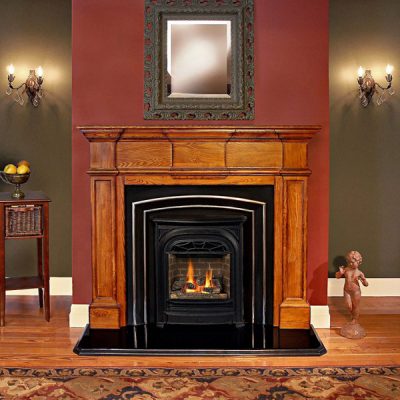
Fires of Tradition Barrington Wood Mantels Fireplace
-
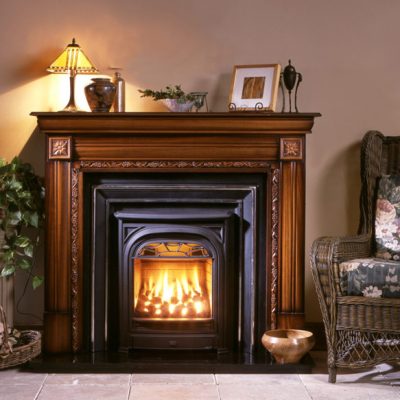
Fires of Tradition Kingston Wood Mantels Fireplace
Wood Fireplace Mantels for Toronto and GTA Homes
Wood fireplace mantels are decorative fireplace surrounds or shelves made from solid wood, engineered wood, or finished wood components. They are used to frame a fireplace, support room design, and create a focal point, but the right choice depends on fireplace type, heat clearance, wall support, finish, size, and installation requirements.
When a Wood Fireplace Mantel Is the Right Choice
Wood mantels work best when the room needs warmth, texture, and a softer architectural finish than stone, metal, or concrete. The main decision is whether the mantel is being used as a decorative shelf, a full surround, or part of a fireplace replacement project.
Decorative Warmth
Wood is a strong choice when the fireplace needs to feel warmer and more natural than stone or metal, especially in living rooms and family rooms.
Flexible Finishing
Painted, stained, rustic, or smooth finishes give homeowners more design flexibility than many fixed stone or cast mantel styles.
Clearance Planning
Because wood is combustible, the mantel must be selected and installed with proper fireplace clearance to avoid heat damage or safety issues.
Wood Mantels vs Other Fireplace Mantel Options
Homeowners often compare wood mantels with stone, cast iron, marble, and non-combustible alternatives. The right option depends on the fireplace type, room style, budget, and how close the mantel can safely sit to the firebox.
Choosing the Right Wood Style
Wood fireplace mantels can change the entire feel of a room, so style selection should match both the fireplace and the surrounding finishes. A rustic beam may look strong in a casual family room, while a carved surround may suit a formal living room better.
- Choose a rustic beam mantel for texture, knots, grain, and a more natural look.
- Choose a smooth painted mantel for clean trim, built-in cabinetry, and traditional interiors.
- Choose a stained hardwood mantel when the room already has visible wood flooring, beams, or furniture.
- Choose a full wood surround when the fireplace needs more architectural weight than a shelf alone.
- Choose a simpler shelf when wall space, ceiling height, or furniture layout is limited.
Installation Factors That Affect Safety and Appearance
Wood mantel installation must be planned around fireplace clearances, wall structure, mantel depth, and the type of fireplace being used. A mantel that looks correct visually can still be wrong if it sits too close to heat or lacks proper support.
The Wrong Clearance Can Damage the Mantel
If a wood mantel is installed too close to a gas, wood-burning, or high-heat fireplace opening, the finish can discolour, crack, dry out, or create a safety concern that requires removal and reinstallation.
Wood Mantel Selection by Fireplace Type
The fireplace type directly affects the mantel decision. Electric fireplaces usually allow more design flexibility, while gas and wood-burning fireplaces require stricter review of heat output, manufacturer clearances, and surrounding materials.
Replacement Considerations for Older Homes
Replacing an existing mantel can make a fireplace look cleaner and more current, but older Toronto and GTA homes often have uneven masonry, non-standard openings, old tile edges, or previous renovation work behind the mantel.
Removing an Old Mantel Can Reveal Extra Work
Once the old mantel is removed, the wall may need patching, tile replacement, trim correction, or support upgrades before the new wood mantel can be installed properly.
Cost Factors to Review Before Buying
The cost of a wood fireplace mantel depends on size, wood species, finish, custom work, installation, wall preparation, and whether the project includes a fireplace insert or surround replacement. A lower-cost mantel can become more expensive if it needs modification after delivery.
- Standard mantel shelves usually cost less than full wood surrounds.
- Custom widths, deeper shelves, corbels, and decorative trim increase cost.
- Hardwoods typically cost more than pine or paint-grade materials.
- Stained finishes require more careful wood selection than painted finishes.
- Installation cost can increase if the wall needs reinforcement or repair.
Local Suitability for Canada, Toronto, and the GTA
Wood fireplace mantels are suitable for many Canadian homes because they add warmth during long heating seasons and work well with traditional, transitional, and modern interiors. In Toronto and the GTA, they are especially practical for fireplace updates in family rooms, living rooms, townhomes, and renovated older homes.
For condos, compact rooms, and tight media walls, mantel depth and wall projection should be reviewed carefully. A deep wood mantel can interfere with walkway clearance, TV placement, or furniture layout if the room is narrow.
Selection Checklist Before Ordering
Use this checklist before choosing a wood fireplace mantel. It helps prevent common problems with sizing, clearance, finish selection, and installation planning.
Wood Fireplace Mantel Buying Checklist
- Measure the fireplace opening, wall width, ceiling height, and hearth depth.
- Confirm whether the mantel is for an electric, gas, wood-burning, or insert fireplace.
- Review required heat clearances before choosing mantel height or shelf depth.
- Decide between a mantel shelf, full surround, rustic beam, or custom wood profile.
- Choose paint-grade or stain-grade wood based on the desired final finish.
- Confirm wall support and installation method before ordering the mantel.
Final Decision Guidance
Choose a wood fireplace mantel when the goal is a warm, flexible, and design-friendly fireplace feature. Choose stone, cast iron, or non-combustible alternatives when the fireplace needs a heavier architectural look, tighter heat-clearance performance, or a more formal finish.
FREE In-Home Estimate